
Key Technical Upgrade Directions for Improving Mica Powder Production Efficiency
We provide a wide range of mills — including Raymond mill, trapezoidal mill, vertical mill, ultrafine mill, and ball mill, obtained ISO9001 international quality certification, EU CE certification, and Customs Union CU-TR certification. Suitable for processing minerals such as limestone, phosphate, quicklime, kaolin, talc, barite, bentonite, calcium carbonate, dolomite, coal, gypsum, clay, carbon black, slag, cement raw materials, cement clinker, and more.
The discharge range of these mills can be adjusted to meet specific processing needs, typically from 80-400 mesh, 600-3250 mesh, and can achieve the finest particle size of up to 6000 mesh(D50).
If you are looking for a reliable grinding solution to turn stone or minerals into fine powder, please feel free to contact our online customer service.
Key Technical Upgrade Directions for Improving Mica Powder Production Efficiency
In the mica powder production industry, achieving high efficiency, consistent quality, and environmental sustainability is paramount. As demand for finer and more uniform mica powders grows across cosmetics, paints, and electronics, manufacturers must adopt advanced milling technologies. Traditional methods often fall short, plagued by high energy consumption, excessive heat generation affecting material properties, and inconsistent particle size distribution. This article outlines critical technical upgrade paths to overcome these challenges and significantly boost production performance.
1. Embracing Advanced Grinding Mechanisms
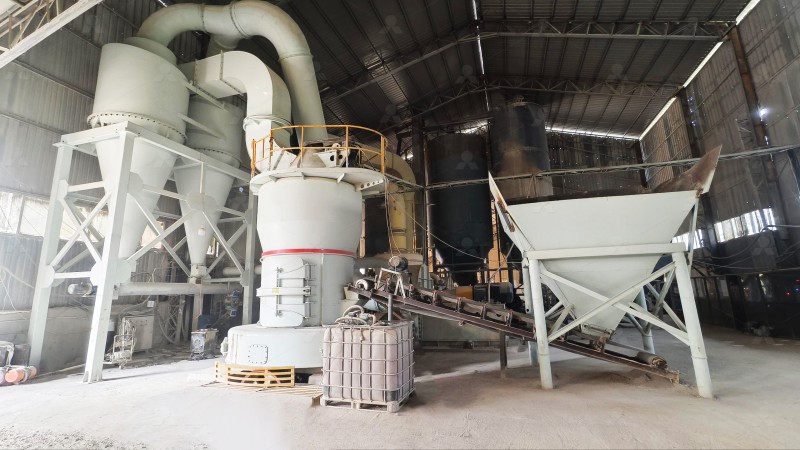
The core of mica processing lies in the grinding mill’s ability to delaminate and reduce particle size without damaging the mineral’s platelet structure. Older technologies like ball mills or basic Raymond mills can cause over-grinding, increasing energy use and reducing yield. Upgrading to mills with specialized grinding curves and precise pressure control is crucial. These designs promote inter-particle crushing and shearing, which is ideal for brittle minerals like mica, leading to higher output of desired ultra-fine grades with less energy.
2. Precision Particle Classification and Separation
Producing mica powder with a tight particle size distribution (e.g., d97 ≤ 5µm) is a key market differentiator. Inefficient separation post-grinding leads to product recycle loads of over 30%, wasting energy. Modern mills integrate high-efficiency, multi-head cage-type powder selectors. These separators, often with PLC control, allow precise cut-point adjustment from 325 to 2500 meshes, ensuring nearly all output meets spec on the first pass. This eliminates the need for secondary classification steps, streamlining the process.
3. Integrated System Design for Dust and Noise Control
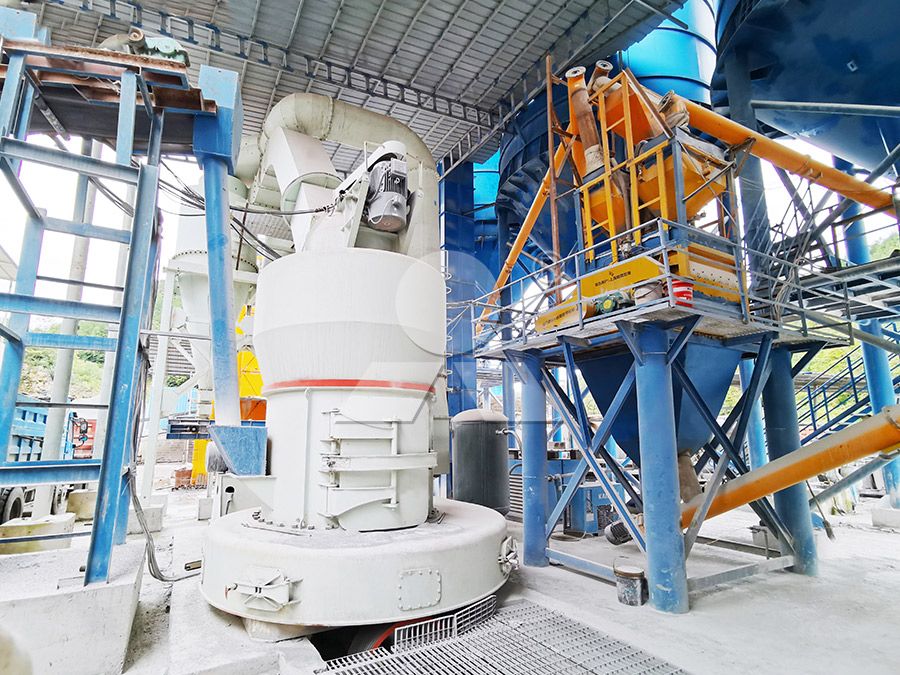
Mica dust is a significant operational hazard and environmental concern. Open systems not only pose health risks but also represent product loss. A modern production line must be a closed-loop system. Integrating high-efficiency pulse jet dust collectors directly into the mill design ensures no dust escape, capturing over 99.9% of particulates. Furthermore, built-in mufflers and sound-dampening chambers can reduce operational noise to well below 85 dB, ensuring compliance and a safer workplace.
4. Smart Automation and Predictive Maintenance
Unplanned downtime is a major efficiency killer. The latest grinding mills are equipped with sensors monitoring bearing temperature, vibration, and pressure. Coupled with PLC systems, they allow for remote monitoring and adjustment of key parameters like grinding force and classifier speed. Furthermore, designs that facilitate easy maintenance—such as externally accessible lubrication points and reversible roller structures—dramatically reduce mean time to repair. For instance, our MW Ultrafine Grinding Mill exemplifies this approach. It features no rolling bearings or screws in the grinding chamber, eliminating common failure points and enabling external lubrication without shutdown. With an input size of 0-20 mm and a capacity ranging from 0.5 to 25 tph, it’s engineered for continuous, worry-free 24/7 operation, making it a superior choice for high-volume mica production.
5. Energy Consumption Optimization
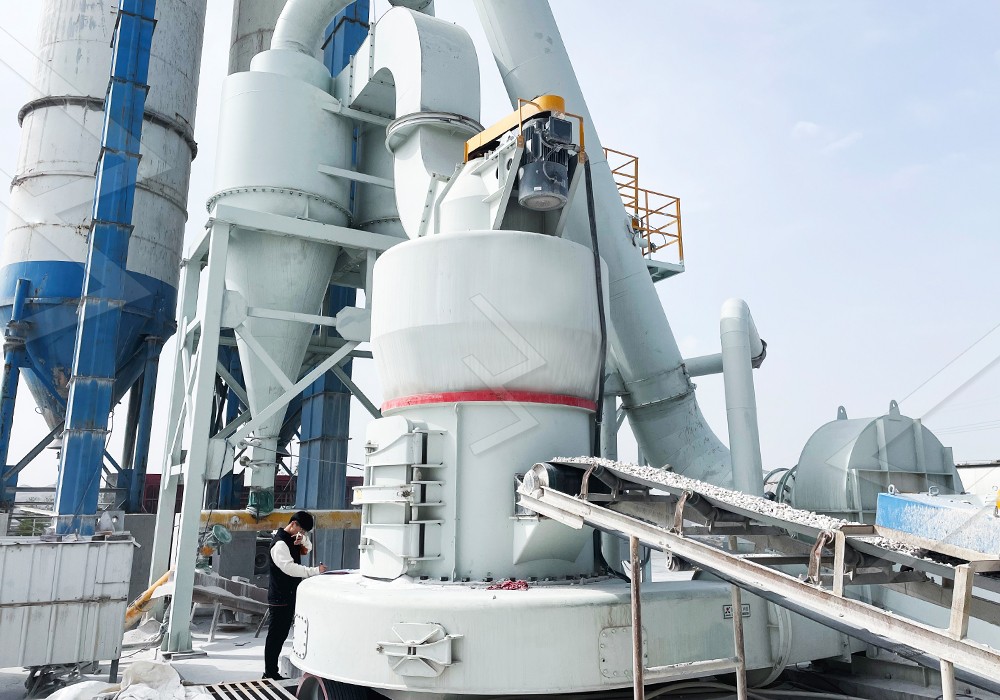
Energy can constitute up to 50% of production costs. Legacy systems are notoriously inefficient. Technological upgrades focus on holistic energy savings: optimized aerodynamic profiles in the grinding chamber reduce air resistance, high-efficiency motors drive the system, and innovative designs like curved air ducts ensure smooth material flow. The result is a drastic reduction in kWh per ton of product. For operations seeking the pinnacle of efficiency, our LUM Ultrafine Vertical Grinding Mill is a standout. It integrates the latest Taiwan grinding roller technology and German powder separating technology, reducing energy consumption by 30%-50% compared to common grinding mills. Its ability to handle a feed size of 0-10 mm and deliver 5-18 tph, combined with features like double position-limiting technology for stability, makes it an intelligent investment for modernizing a mica powder line.
Conclusion
The path to superior mica powder production is clear: move beyond outdated equipment. Investing in technology that offers precise grinding, intelligent classification, enclosed eco-friendly operation, and robust, maintainable design is no longer optional but essential for staying competitive. By focusing on these key upgrade directions, producers can achieve remarkable gains in output quality, operational efficiency, and overall profitability.