
Key Technical Innovations in Mica Powder Grinding Equipment
We provide a wide range of mills — including Raymond mill, trapezoidal mill, vertical mill, ultrafine mill, and ball mill, obtained ISO9001 international quality certification, EU CE certification, and Customs Union CU-TR certification. Suitable for processing minerals such as limestone, phosphate, quicklime, kaolin, talc, barite, bentonite, calcium carbonate, dolomite, coal, gypsum, clay, carbon black, slag, cement raw materials, cement clinker, and more.
The discharge range of these mills can be adjusted to meet specific processing needs, typically from 80-400 mesh, 600-3250 mesh, and can achieve the finest particle size of up to 6000 mesh(D50).
If you are looking for a reliable grinding solution to turn stone or minerals into fine powder, please feel free to contact our online customer service.
Key Technical Innovations in Mica Powder Grinding Equipment
The processing of mica into fine and ultrafine powders is a critical operation in numerous industries, including cosmetics, paints, plastics, and electronics. Achieving the desired particle size distribution, purity, and morphology requires advanced grinding technology. Traditional milling equipment often struggles with the platy structure and varying hardness of mica, leading to inefficiencies, high energy consumption, and potential contamination. Recent technological innovations have dramatically improved the efficiency, output quality, and environmental footprint of mica grinding processes.
Core Challenges in Mica Comminution
Mica’s laminar and elastic nature makes it susceptible to delamination rather than clean fracture. Equipment must apply a combination of shear and compressive forces to effectively reduce particle size without generating excessive heat, which can degrade the material’s properties. Furthermore, maintaining the brightness and chemical purity of the powder is paramount, necessitating designs that minimize iron contamination from wear parts.
Breakthroughs in Mill Design and Operation
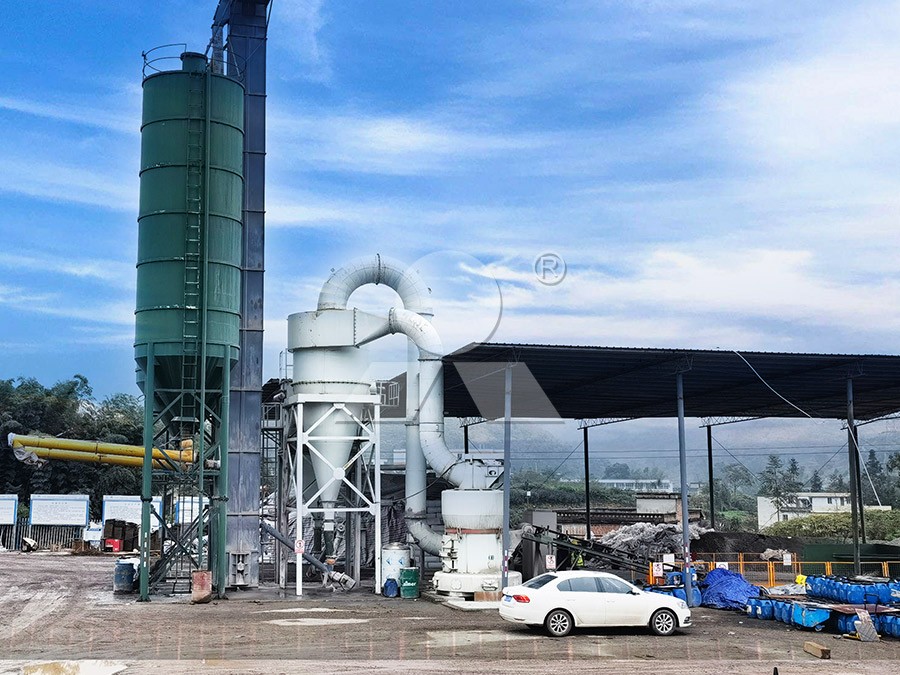
Modern grinding mills adress these challenges through several key innovations. The adoption of cage-type powder selectors with German technology allows for precise control over fineness, enabling adjustments between 325 and 2500 meshes with high screening efficiency. This ensures a consistent and narrow particle size distribution critical for high-end applications.
Another significant advancement is the elimination of rolling bearings and screws within the grinding chamber. This design philosophy, evident in mills like our MW Ultrafine Grinding Mill,彻底消除了轴承及其密封件损坏的担忧,并且避免了由螺丝松动引起的机器损坏问题。润滑装置安装在主轴外部,无需停机即可实现外部润滑,支持24小时连续生产。其输入尺寸为0-20 mm,产能高达0.5-25 tph,是生产超细粉末客户的理想选择。
Enhanced Efficiency and Environmental Compliance
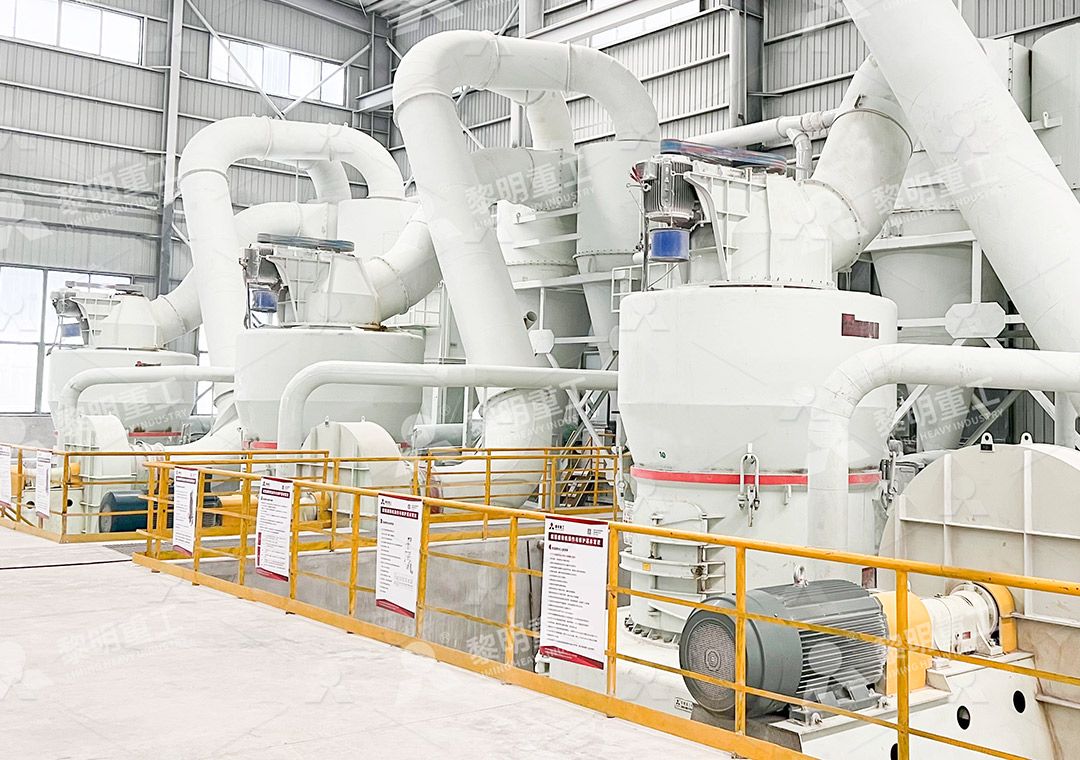
Energy consumption is a major operational cost. Innovations like newly designed grinding curves for rollers and rings enhance grinding efficiency, reportedly increasing capacity by up to 40% compared to jet mills while reducing system energy consumption by 30%. Integrated pulse dust collectors and mufflers ensure that the entire production process meets stringent national environmental protection standards, effectively controlling dust and noise pollution.
For operations requiring even higher precision and stability in vertical grinding applications, our LUM Ultrafine Vertical Grinding Mill incorporates latest roller technology and German powder separating technology. It features a unique roller shell design for higher yield rates and better product quality, and its double position-limiting technology guarantees stable operation by preventing destructive impacts from machine vibration. Its compact design with an input size of 0-10 mm and capacity of 5-18 tph makes it a superior choice for ultrafine powder grinding.
Conclusion: The Future of Mica Processing
The evolution of grinding technology has transformed mica processing from a challenging task into a highly efficient, controllable, and clean operation. The integration of digitalized processing for high-precision parts, automated control systems, and eco-friendly designs sets a new standard for the industry. These innovations not only boost productivity and product quality but also significantly lower the total cost of ownership through reduced energy use, minimal maintenance, and extended equipment life.
As demand for high-quality mica powder grows across advanced sectors, continuous investment in and adoption of these innovative grinding technologies will be the key differentiator for producers seeking a competitive edge in the global market.