
Key Technical Cooperation Models for Efficient Mica Powder Production
We provide a wide range of mills — including Raymond mill, trapezoidal mill, vertical mill, ultrafine mill, and ball mill, obtained ISO9001 international quality certification, EU CE certification, and Customs Union CU-TR certification. Suitable for processing minerals such as limestone, phosphate, quicklime, kaolin, talc, barite, bentonite, calcium carbonate, dolomite, coal, gypsum, clay, carbon black, slag, cement raw materials, cement clinker, and more.
The discharge range of these mills can be adjusted to meet specific processing needs, typically from 80-400 mesh, 600-3250 mesh, and can achieve the finest particle size of up to 6000 mesh(D50).
If you are looking for a reliable grinding solution to turn stone or minerals into fine powder, please feel free to contact our online customer service.
Key Technical Cooperation Models for Efficient Mica Powder Production
In the rapidly evolving mineral processing industry, mica powder production demands cutting-edge technology and efficient grinding solutions. This article explores advanced technical cooperation models to optimize mica powder manufacturing, with a focus on innovative equipment like MW Ultrafine Grinding Mill and LUM Ultrafine Vertical Grinding Mill.
1. Integrated Grinding Systems for Mica Processing
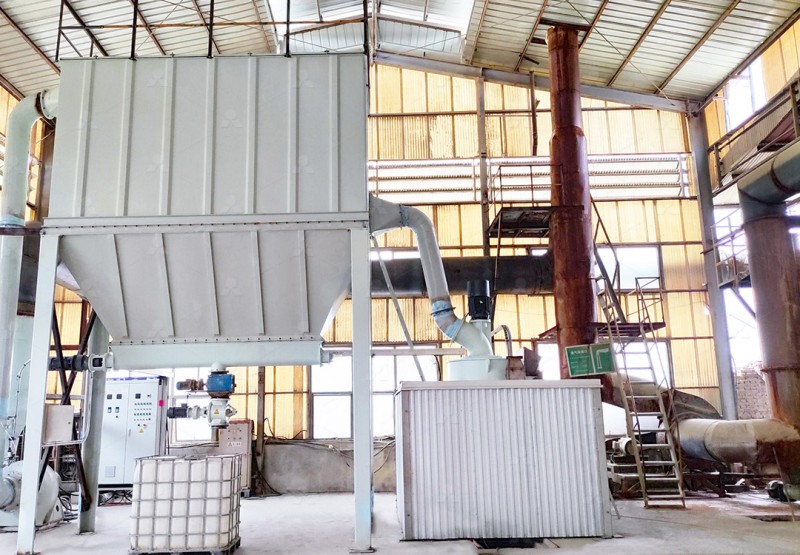
Modern mica powder production requires integrated systems combining crushing, grinding, and classification. The MW Ultrafine Grinding Mill exemplifies this approach with its:
- 0.5-25 tph capacity range
- Adjustable fineness between 325-2500 meshes
- Eco-friendly pulse dust collection system
2. Vertical Grinding Technology Advancements
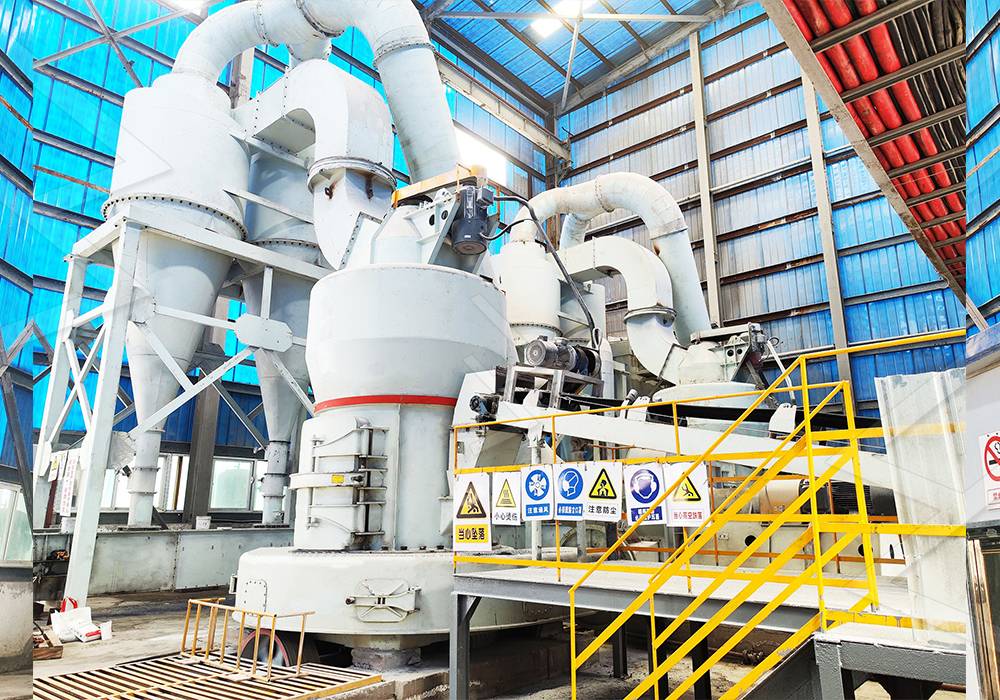
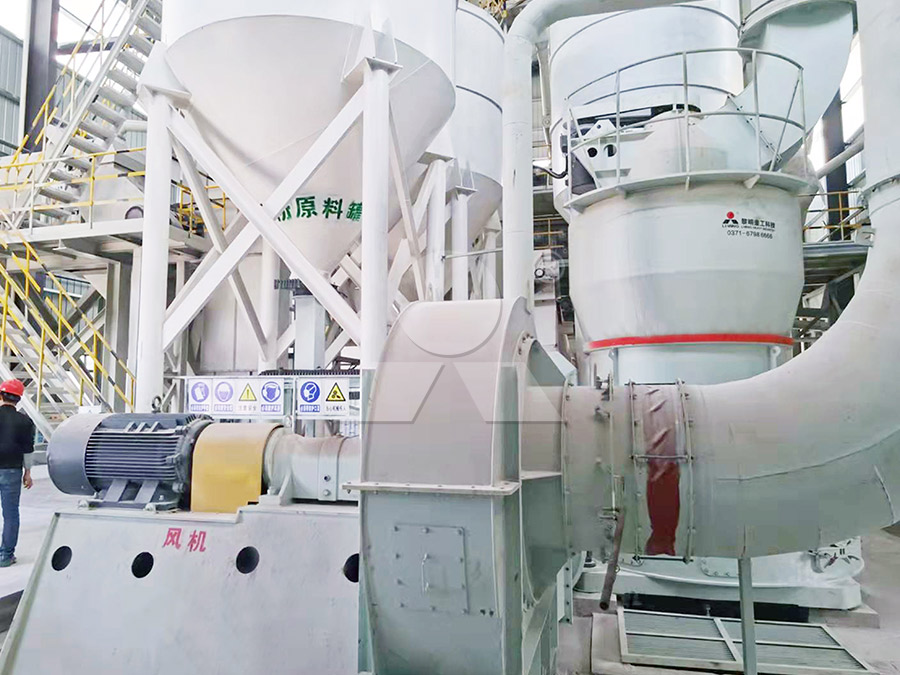
Vertical grinding mills like the LUM Ultrafine Vertical Grinding Mill offer superior energy efficiency for mica processing:
- 30-50% energy savings compared to traditional mills
- 5-18 tph capacity with 0-10mm input size
- German powder separating technology for precise classification
3. Technical Cooperation Frameworks
Successful mica powder production partnerships typically involve:
- Joint equipment customization for specific mica properties
- Shared technical training programs
- Co-development of process optimization protocols
4. Environmental Compliance Solutions
Modern mills address environmental concerns through:
- Integrated dust collection systems
- Noise reduction technology
- Energy-efficient designs
The MW Ultrafine Grinding Mill particularly excels with its “no rolling bearing in chamber” design that eliminates common failure points while maintaining environmental standards.
5. Digital Integration for Process Control
Advanced mills now feature:
- PLC control systems
- Remote monitoring capabilities
- Automated fineness adjustment
Conclusion
Efficient mica powder production requires strategic technical cooperation supported by advanced equipment like LIMING’s MW Ultrafine Grinding Mill and LUM Ultrafine Vertical Grinding Mill. These solutions combine high productivity with environmental responsibility, offering 40% higher capacity than conventional mills while reducing energy consumption by 30-50%.