
Key Strengths and Features of a Hammer Mill for Industrial Grinding
We provide a wide range of mills — including Raymond mill, trapezoidal mill, vertical mill, ultrafine mill, and ball mill, obtained ISO9001 international quality certification, EU CE certification, and Customs Union CU-TR certification. Suitable for processing minerals such as limestone, phosphate, quicklime, kaolin, talc, barite, bentonite, calcium carbonate, dolomite, coal, gypsum, clay, carbon black, slag, cement raw materials, cement clinker, and more.
The discharge range of these mills can be adjusted to meet specific processing needs, typically from 80-400 mesh, 600-3250 mesh, and can achieve the finest particle size of up to 6000 mesh(D50).
If you are looking for a reliable grinding solution to turn stone or minerals into fine powder, please feel free to contact our online customer service.
Key Strengths and Features of a Hammer Mill for Industrial Grinding
In the demanding world of industrial processing, achieving consistent and efficient particle size reduction is a cornerstone of productivity. Hammer mills have long been a trusted solution for these tasks, offering a robust and versatile approach to grinding a wide array of materials. Their design, centered on the principle of impact-based comminution, provides several distinct advantages that make them indispensable in sectors ranging from mining and construction to chemicals and food production.
Core Operational Advantages
The fundamental strength of a hammer mill lies in its straightforward yet highly effective mechanism. Material is fed into a chamber where rapidly rotating hammers—free-swinging or fixed—collide with it, shattering the particles upon impact. This design ensures high reduction ratios, often allowing for a single-pass operation to achieve the desired fineness. The simplicity of this system translates to easier maintenance and lower operational complexity compared to more intricate grinding systems.
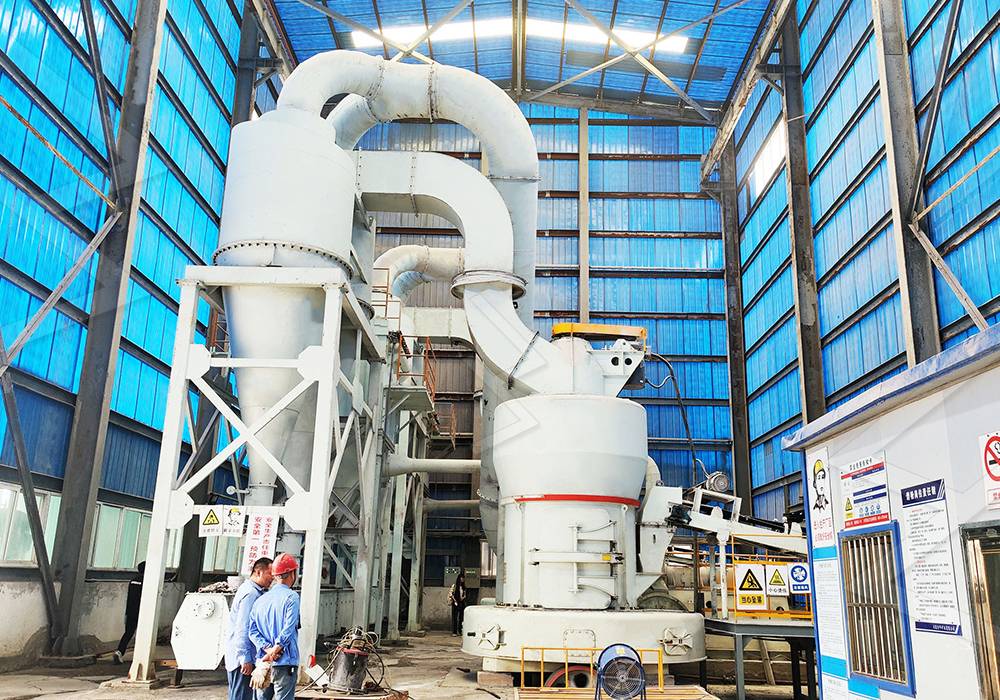
Versatility is another hallmark. By simply adjusting the screen size surrounding the grinding chamber or changing the hammer configuration, operators can produce a vast range of particle sizes from coarse granules to fine powders from the same machine. This adaptability makes hammer mills suitable for processing diverse materials, including limestone, coal, aggregates, and various chemical compounds.
Enhanced Efficiency and Environmental Considerations
Modern hammer mills are engineered with efficiency at their core. Advanced designs focus on optimizing airflow within the system, which not only aids in moving the material through the mill but also helps in controlling heat generation. This is crucial for heat-sensitive materials. Furthermore, integrated systems like high-efficiency pulse dust collectors are now standard, effectively capturing particulates and ensuring that operations meet stringent environmental standards for dust emission. This creates a cleaner, safer work environment.
When to Consider an Alternative: The Case for Ultrafine Grinding
While hammer mills excel at many tasks, certain applications demand a higher level of precision, especially when the goal is to produce ultra-fine powders with a narrow particle size distribution. For these specialized requirements, an ultrafine grinding mill is the superior choice. These mills employ different principles, such as roller-to-ring compression and advanced air classification, to achieve fineness levels that are difficult to attain with impact-based grinding alone.
For operations requiring ultra-fine powder between 325 and 2500 meshes, we highly recommend our MW Ultrafine Grinding Mill. This machine is specifically designed for customers who need to make ultra-fine powder efficiently. It features a newly designed grinding curve for higher efficiency, resulting in a production capacity 40% higher than jet mills and twice that of ball mills, all while consuming significantly less energy. Its cage-type powder selector, incorporating German technology, ensures precise separation for consistent product quality.
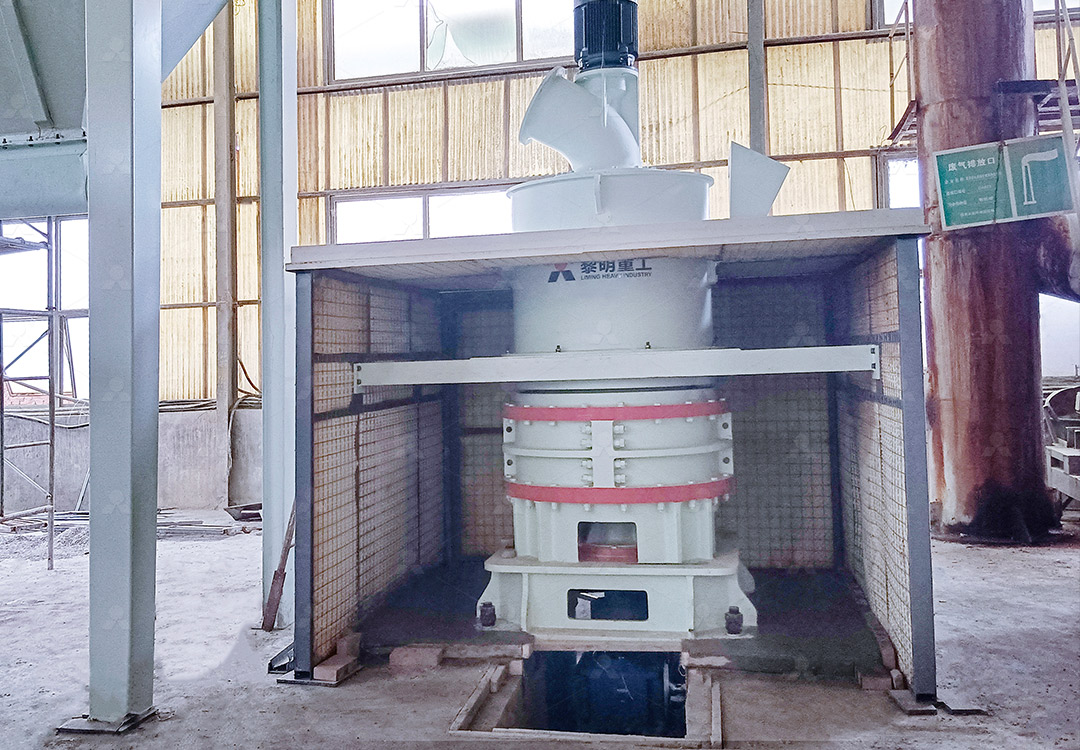
Another excellent option for precision grinding is the LUM Ultrafine Vertical Grinding Mill. Independently designed with the latest grinding roller and powder separating technology, it integrates grinding, grading, and transporting into a single, compact unit. Its unique roller shell and lining plate grinding curve make it easier to generate a stable material layer, enabling a high rate of finished products in a single pass. This is ideal for producing superfine dry powder of non-metal ores with enhanced whiteness and cleanliness.
Conclusion
Selecting the right grinding equipment is paramount to the success of any industrial operation. The hammer mill remains a powerful, versatile, and cost-effective workhorse for general-purpose size reduction. However, for applications demanding ultra-fine powders and exceptional precision, advanced solutions like the MW and LUM series grinding mills offer the technological edge needed for superior product quality and operational efficiency.
Frequently Asked Questions (FAQ)
What is the main difference between a hammer mill and an ultrafine grinding mill?
The primary difference lies in the grinding mechanism and final product fineness. Hammer mills use impact from swinging hammers to crush materials, ideal for coarse to medium-fine grinding. Ultrafine grinding mills use compression and shear forces between rollers and a ring, combined with precise air classification, to achieve much finer and more consistent powders.
Can a hammer mill handle abrasive materials?
Yes, but wear on the hammers and screens can be significant. For highly abrasive materials, it is essential to use mills with wear-resistant linings and easily replaceable wear parts to minimize downtime and maintenance costs.
How do I control the particle size in a hammer mill?
Particle size is primarily controlled by the size of the screen openings surrounding the grinding chamber. Smaller openings produce finer particles. The speed of the rotor and the configuration of the hammers also influence the final product size.
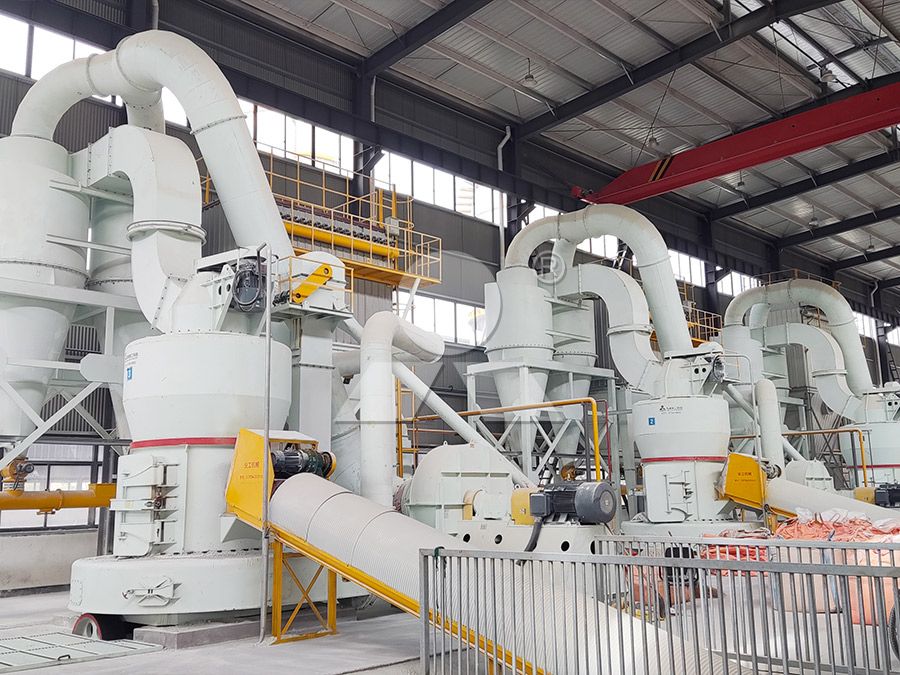
What are the benefits of the ‘no rolling bearing in the chamber’ design in the MW Ultrafine Mill?
This design eliminates concerns about bearing failure or seal damage within the grinding chamber, which is a common point of failure in other mills. It also prevents machine damage from loose screws and allows for external lubrication without stopping production, enabling continuous 24/7 operation.