Key Strategies for Optimizing Fluorite Powder Production in Mineral Processing
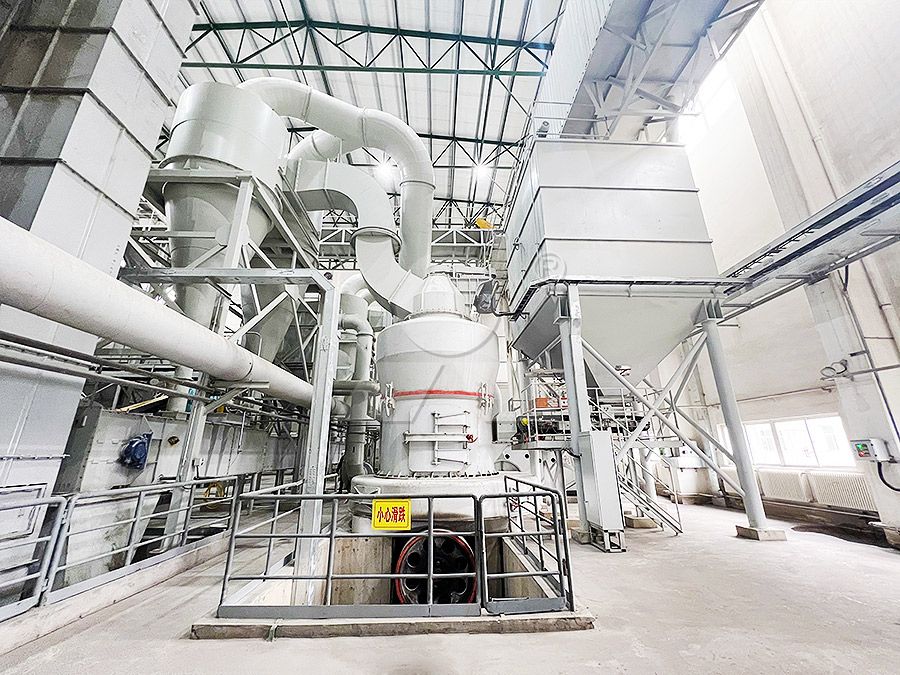
We provide a wide range of mills — including Raymond mill, trapezoidal mill, vertical mill, ultrafine mill, and ball mill, obtained ISO9001 international quality certification, EU CE certification, and Customs Union CU-TR certification. Suitable for processing minerals such as limestone, phosphate, quicklime, kaolin, talc, barite, bentonite, calcium carbonate, dolomite, coal, gypsum, clay, carbon black, slag, cement raw materials, cement clinker, and more.
The discharge range of these mills can be adjusted to meet specific processing needs, typically from 80-400 mesh, 600-3250 mesh, and can achieve the finest particle size of up to 6000 mesh(D50).
If you are looking for a reliable grinding solution to turn stone or minerals into fine powder, please feel free to contact our online customer service.
Introduction
Fluorite powder production is a critical process in mineral processing, requiring precision and efficiency to meet industry standards. Optimizing this process involves selecting the right equipment, implementing advanced grinding techniques, and ensuring environmental compliance. This article explores key strategies to enhance fluorite powder production, with a focus on leveraging cutting-edge grinding technology.
1. Selecting the Right Grinding Equipment
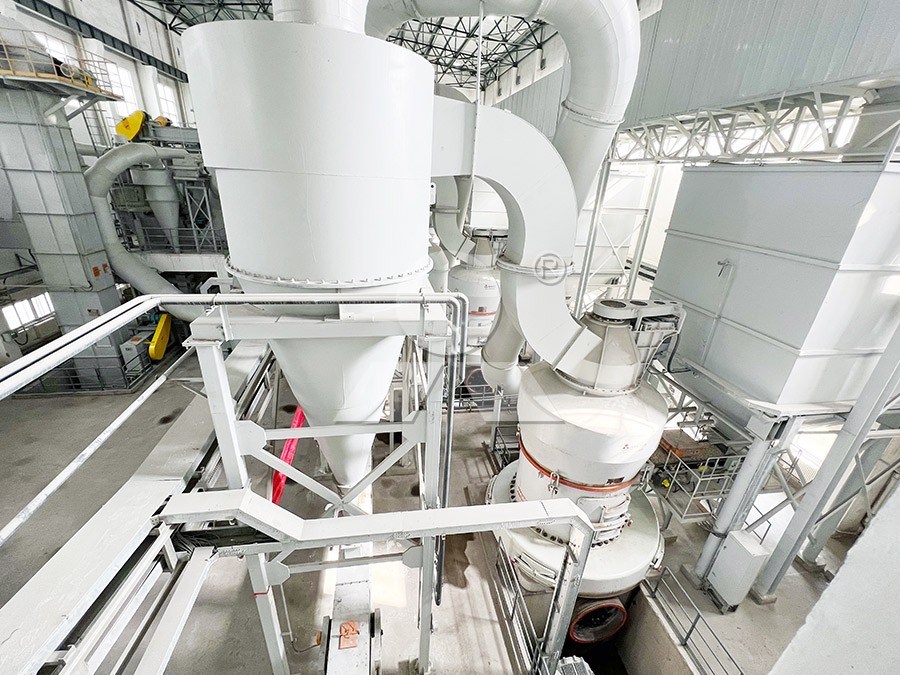
The foundation of efficient fluorite powder production lies in choosing the appropriate grinding mill. Traditional ball mills, while reliable, often fall short in energy efficiency and fineness control. Modern solutions like the MW Ultrafine Grinding Mill offer significant advantages:
- Higher Yielding, Lower Energy Consumption: With a 40% higher capacity than jet mills and 30% lower energy consumption, the MW mill is ideal for high-volume fluorite processing.
- Adjustable Fineness (325-2500 meshes): Its German-designed cage-type powder selector ensures precise particle size distribution, critical for fluorite applications in ceramics and chemicals.
- Eco-Friendly Operation: Integrated pulse dust collectors and noise reduction systems align with stringent environmental regulations.
2. Advanced Process Control
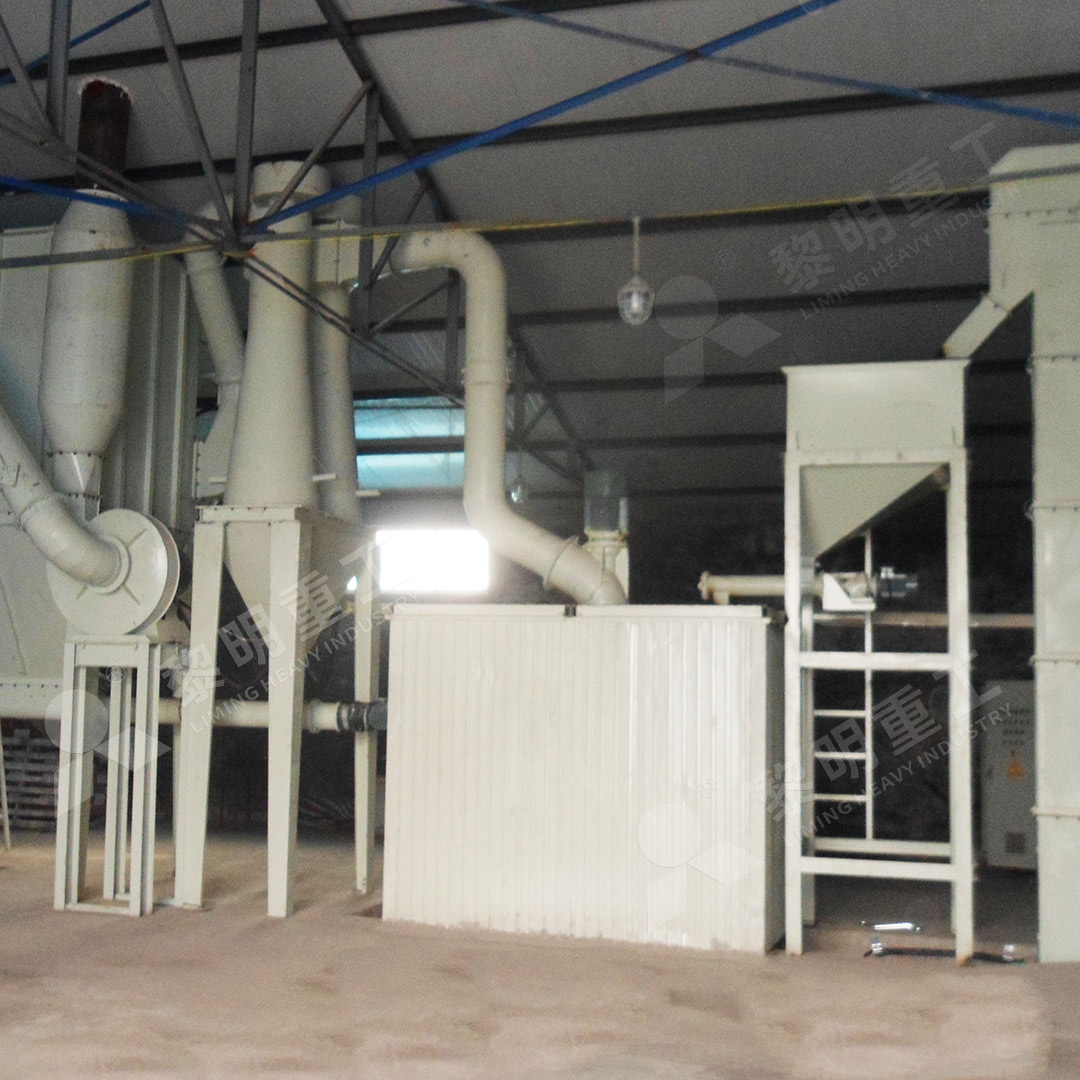
Optimizing fluorite grinding requires real-time adjustments to parameters like feed rate, grinding pressure, and airflow. The LUM Ultrafine Vertical Grinding Mill excels here with:
- PLC Automation: Enables precise control over grinding pressure and roller speed, reducing human error.
- Multi-Head Powder Separating Technology: Allows rapid switching between different product specifications without downtime.
- Reversible Maintenance Design: Simplifies access to grinding rollers, minimizing production interruptions.
3. Energy Efficiency and Sustainability
Reducing energy consumption is both an economic and environmental imperative. Key approaches include:
- Pre-drying fluorite ore to minimize moisture content before grinding.
- Utilizing mills with integrated drying systems, such as the LM Vertical Coal Mill, which combines grinding and drying in a single step.
- Implementing heat recovery systems to repurpose waste heat from grinding processes.
4. Quality Assurance and Particle Size Distribution
Consistent fluorite powder quality demands rigorous particle size monitoring. The MW mill’s d97≤5μm screening capability ensures uniform fineness for specialty applications like optical lenses. Regular sieve analysis and laser diffraction testing help maintain standards.
Conclusion
Optimizing fluorite powder production hinges on adopting advanced grinding technologies like the MW Ultrafine Grinding Mill and LUM Vertical Mill, which deliver superior efficiency, flexibility, and environmental performance. By integrating these systems with smart process controls and sustainable practices, producers can achieve higher yields while reducing operational costs.