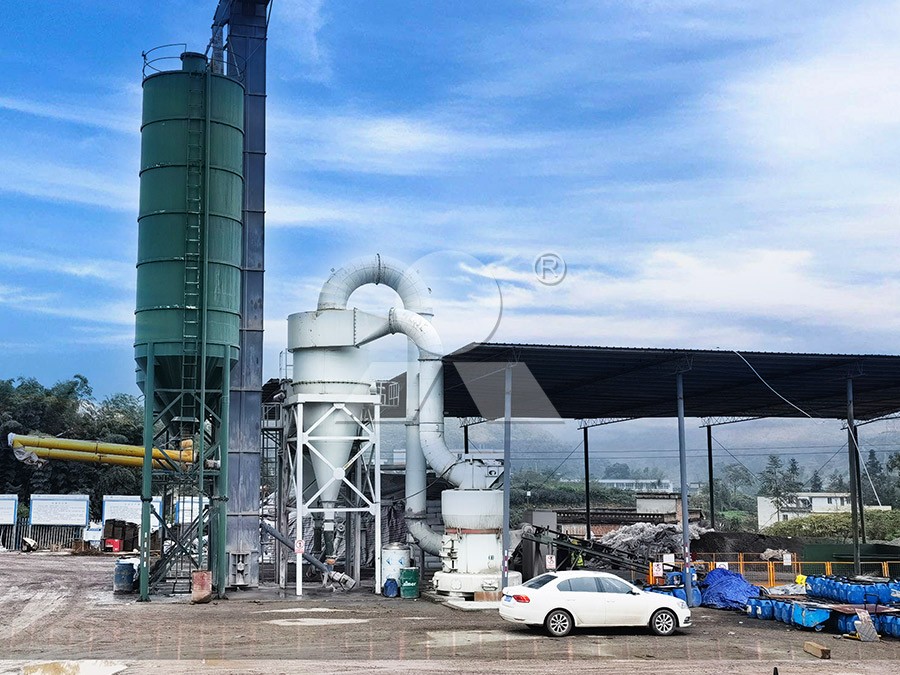
Key Standards for Limestone Grinding Mills in Power Plant Desulfurization Systems
We provide a wide range of mills — including Raymond mill, trapezoidal mill, vertical mill, ultrafine mill, and ball mill, obtained ISO9001 international quality certification, EU CE certification, and Customs Union CU-TR certification. Suitable for processing minerals such as limestone, phosphate, quicklime, kaolin, talc, barite, bentonite, calcium carbonate, dolomite, coal, gypsum, clay, carbon black, slag, cement raw materials, cement clinker, and more.
The discharge range of these mills can be adjusted to meet specific processing needs, typically from 80-400 mesh, 600-3250 mesh, and can achieve the finest particle size of up to 6000 mesh(D50).
If you are looking for a reliable grinding solution to turn stone or minerals into fine powder, please feel free to contact our online customer service.
Introduction
In power plant desulfurization systems, limestone grinding mills play a pivotal role in ensuring efficient sulfur removal. The quality and performance of these mills directly impact the environmental compliance and operational efficiency of power plants. This article explores the key standards and technological advancements in limestone grinding mills, with a focus on applications in flue gas desulfurization (FGD) systems.
Critical Performance Metrics
When selecting a limestone grinding mill for FGD systems, the following standards are essential:
- Particle Size Distribution: Fineness of 325-2500 meshes (d97≤5μm) ensures optimal reactivity with SO₂.
- Energy Efficiency: Mills should reduce energy consumption by 30-50% compared to traditional ball mills.
- Environmental Compliance: Integrated dust collectors and noise reduction systems (≤75dB) are mandatory.
- Maintenance Requirements: Designs without internal rolling bearings (e.g., external lubrication) minimize downtime.
Recommended Solutions
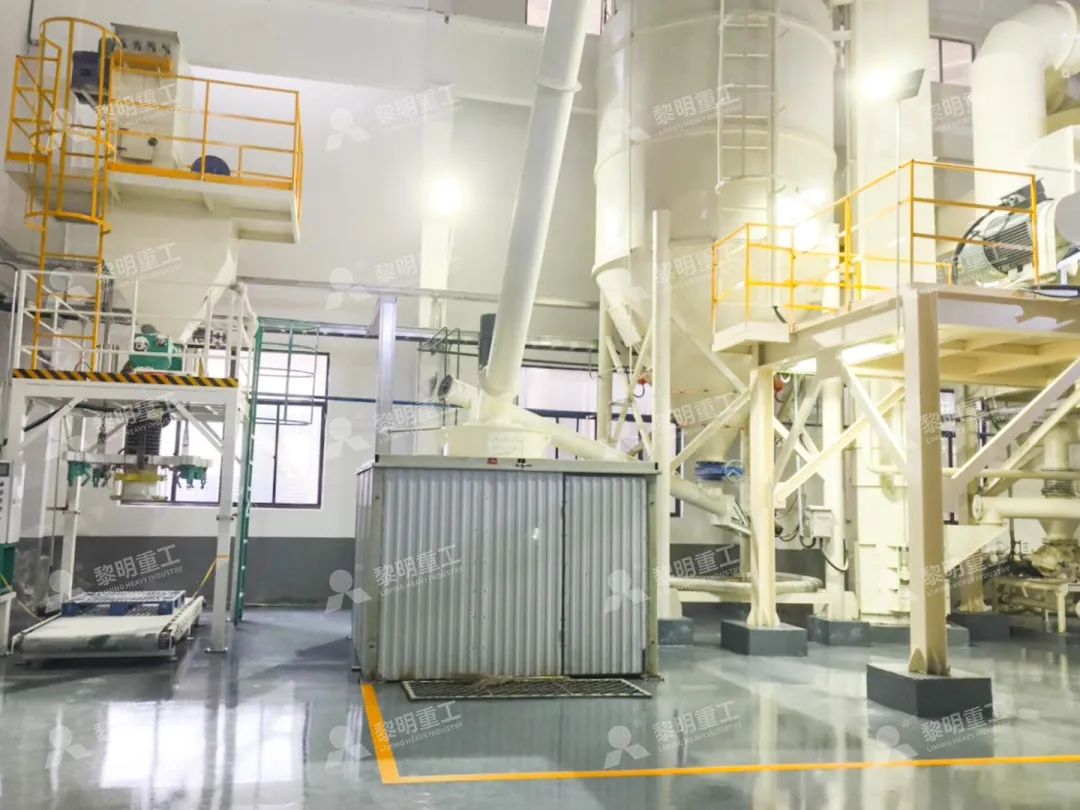
For power plants seeking cutting-edge technology, our MW Ultrafine Grinding Mill excels in desulfurization applications:
- Capacity: 0.5-25 tph with adjustable fineness (325-2500 meshes).
- Eco-Friendly: Pulse dust collector reduces emissions to <20mg/m³.
- Innovation: German-derived cage-type powder selector ensures 40% higher yield than jet mills.
Case Study: LUM Ultrafine Vertical Grinding Mill
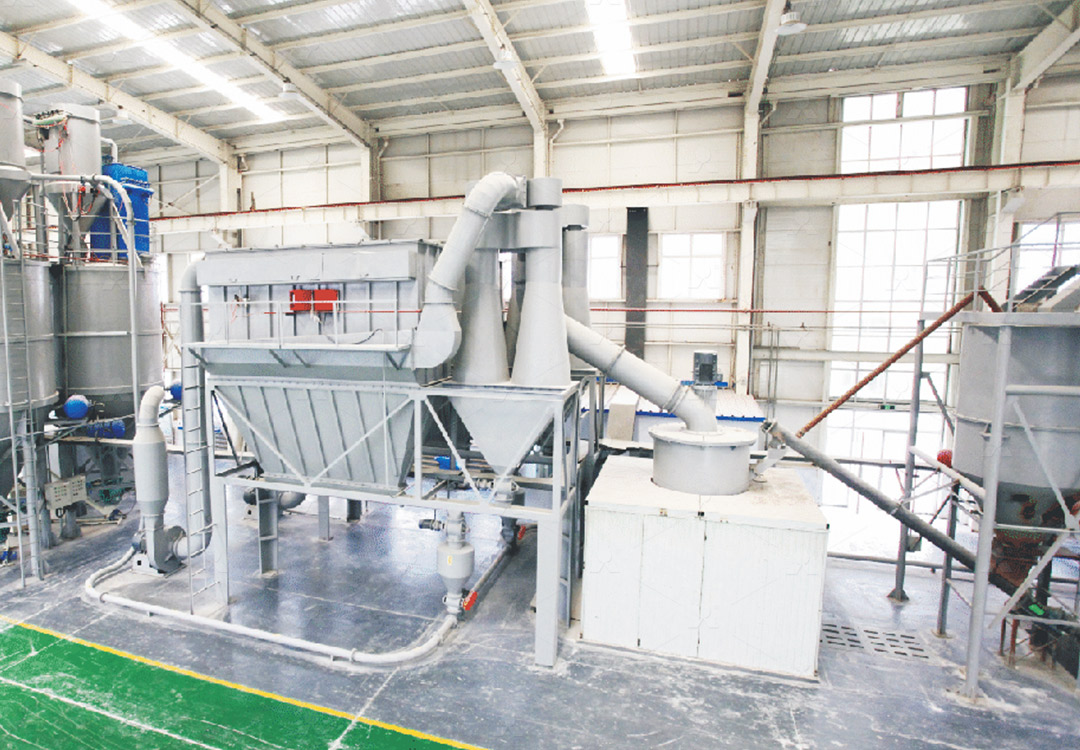
Another standout option is the LUM Ultrafine Vertical Grinding Mill, featuring:
- Precision: Taiwan grinding roller technology + German powder separation.
- Stability: Double position-limiting technology prevents roller-to-table collisions.
- Output: 5-18 tph with 30% lower energy use versus conventional mills.
Conclusion
Modern limestone grinding mills must balance precision, sustainability, and cost-effectiveness. Our MW and LUM series exemplify these standards, offering power plants reliable solutions for stringent FGD requirements. For projects demanding ultra-fine limestone powder with minimal environmental impact, these mills set the industry benchmark.