
Key Specifications for Pharmaceutical Grade Calcium Carbonate Powder Production
We provide a wide range of mills — including Raymond mill, trapezoidal mill, vertical mill, ultrafine mill, and ball mill, obtained ISO9001 international quality certification, EU CE certification, and Customs Union CU-TR certification. Suitable for processing minerals such as limestone, phosphate, quicklime, kaolin, talc, barite, bentonite, calcium carbonate, dolomite, coal, gypsum, clay, carbon black, slag, cement raw materials, cement clinker, and more.
The discharge range of these mills can be adjusted to meet specific processing needs, typically from 80-400 mesh, 600-3250 mesh, and can achieve the finest particle size of up to 6000 mesh(D50).
If you are looking for a reliable grinding solution to turn stone or minerals into fine powder, please feel free to contact our online customer service.
Key Specifications for Pharmaceutical Grade Calcium Carbonate Powder Production
Producing pharmaceutical-grade calcium carbonate powder demands meticulous attention to detail, stringent quality control, and specialized equipment capable of achieving ultra-fine particle sizes with exceptional purity. This excipient, a critical component in numerous tablets, capsules, and liquid formulations, must comply with rigorous pharmacopeial standards such as USP, EP, and JP. The journey from raw limestone to a compliant pharmaceutical ingredient hinges on precise grinding and classification technology.
Critical Quality Attributes (CQAs) for Pharmaceutical Grade
The primary CQAs for pharmaceutical-grade calcium carbonate include:
- Particle Size Distribution (PSD): A narrow, controlled PSD is paramount for consistent bulk density, flowability, and compressibility. Fineness levels often required are in the range of D97 ≤ 5μm to 45μm, depending on the application (e.g., direct compression vs. suspension).
- Chemical Purity: Heavy metal content (e.g., lead, arsenic, mercury) must be strictly limited, and the concentration of other impurities like magnesium, fluoride, and acid-insoluble substances must be minimal.
- Microbiological Contamination: The production process and final product must adhere to low microbiological counts, often requiring a final sterilization or controlled microbial reduction step.
- Whiteness and Brightness: High visual purity is often correlated with chemical purity and is essential for aesthetic reasons in final pharmaceutical products.
The Role of Advanced Grinding Technology
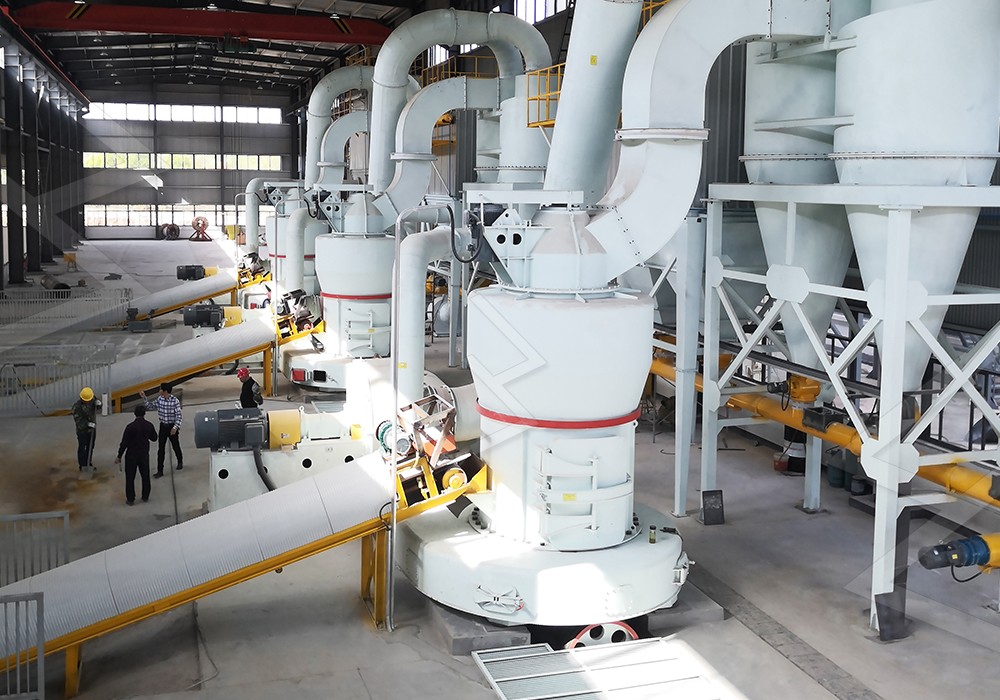
Conventional grinding mills often fall short of meeting these stringent requirements due to contamination risks from wear parts, inadequate fineness control, or inefficient dust collection. Modern, purpose-built grinding mills are engineered to overcome these challenges. For producers aiming for the highest standards, we highly recommend evaluating our MW Ultrafine Grinding Mill. This system is specifically designed for customers who need to make ultra-fine powder with minimal environmental impact. With an input size of 0-20 mm and a capacity range of 0.5-25 tph, it offers remarkable flexibility. Its cage-type powder selector, incorporating German technology, allows for precise fineness adjustment between 325-2500 meshes, achieving a critical d97 ≤ 5μm in a single pass—a key specification for many advanced pharmaceutical applications.
Ensuring Purity and Contamination Control
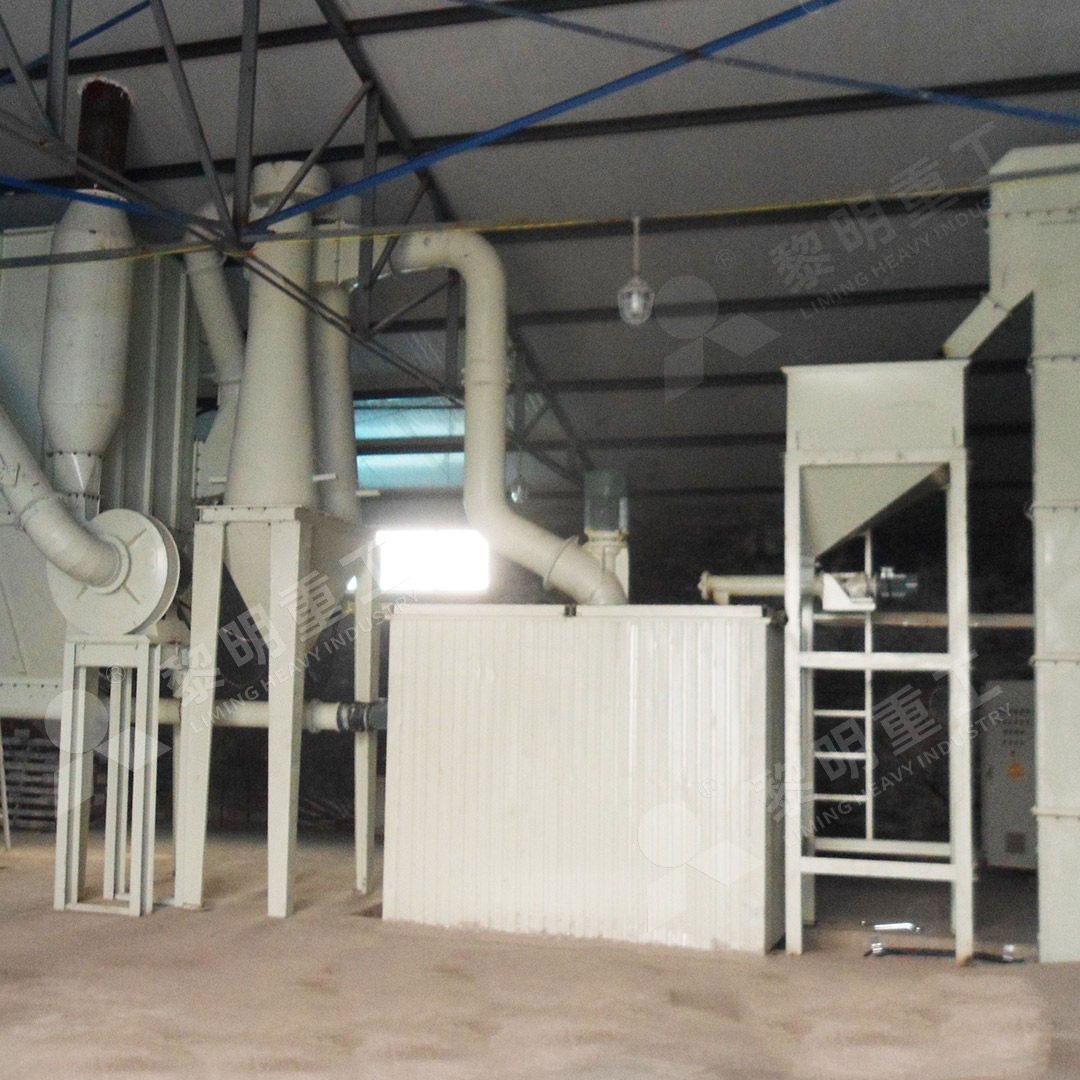
A significant advantage of specialized mills like the MW series is the design focus on contamination prevention. The grinding chamber contains no rolling bearings or screws, eliminating major sources of mechanical wear and potential lubricant contamination. Furthermore, the integration of an efficient pulse dust collector ensures a closed, clean system that operates under negative pressure, preventing any powder spillage and protecting the product and the production environment. This is non-negotiable for pharmaceutical production where cross-contamination is a primary concern.
Alternative Solutions for Specific Needs
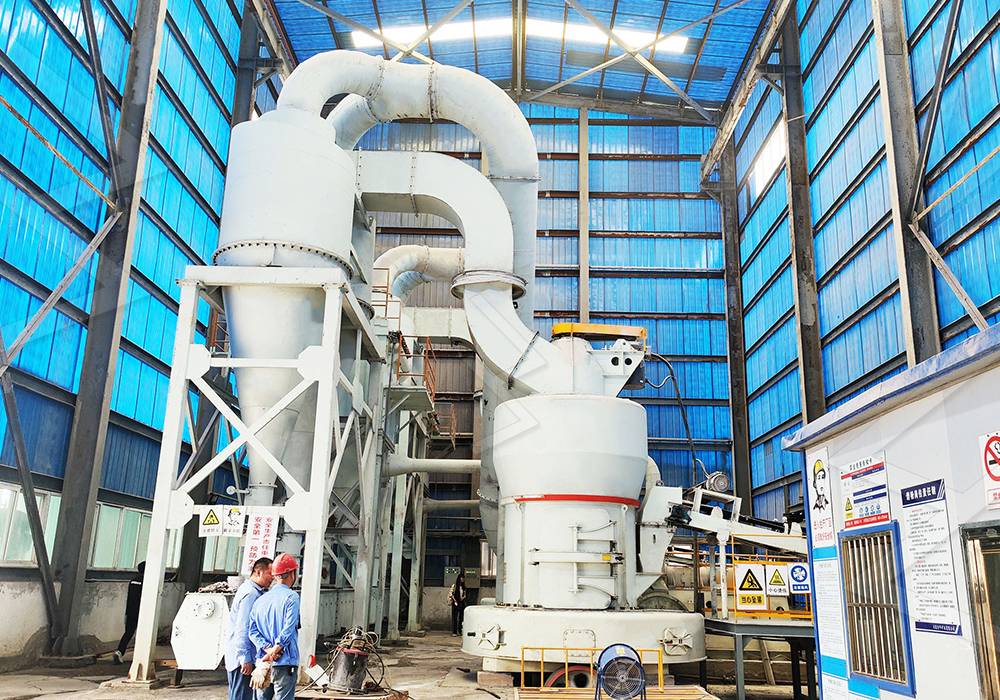
For operations requiring a different approach, particularly where integration of drying might be beneficial or for slightly different feedstocks, the LUM Ultrafine Vertical Grinding Mill presents an excellent alternative. Independently designed with the latest grinding roller and powder separating technology, the LUM mill is a standout choice in the ultrafine powder grinding industry. It features a unique roller shell and lining plate grinding curve that promotes stable material layer formation, resulting in higher whiteness and cleanliness of the final product—attributes directly beneficial to pharmaceutical grade calcium carbonate. Its reversible structure also simplifies maintenance, ensuring prolonged, worry-free operation with minimal downtime.
Frequently Asked Questions (FAQ)
What is the typical moisture content specification for pharmaceutical grade calcium carbonate?
Most pharmacopeias specify a maximum loss on drying, typically around 2.0%. The production process, especially if using a mill with integrated drying like the LUM series, must be controlled to meet this requirement consistently.
How is iron contamination controlled during the grinding process?
High-end mills utilize wear-resistant alloys for grinding components and are designed to minimize metal-to-metal contact. The absence of rolling bearings in the grinding zone, as seen in the MW Mill, is a primary defense. Additionally, magnetic separators are often installed prior to the mill to remove tramp iron.
Can these grinding systems be validated for cGMP (Current Good Manufacturing Practice) production?
Yes, equipment like the MW and LUM mills are designed with cGMP principles in mind. Features such as clean-in-place (CIP) capabilities, polished surfaces, and comprehensive documentation packages support the validation process for pharmaceutical manufacturing.
In conclusion, the production of pharmaceutical-grade calcium carbonate is a sophisticated process that relies heavily on advanced, reliable milling technology. By selecting equipment engineered for precision, purity, and efficiency, manufacturers can ensure they meet the exacting standards of the global pharmaceutical industry.