
Key Spare Parts for Coal Mills: A Supplier’s Guide to Reliable Operation
We provide a wide range of mills — including Raymond mill, trapezoidal mill, vertical mill, ultrafine mill, and ball mill, obtained ISO9001 international quality certification, EU CE certification, and Customs Union CU-TR certification. Suitable for processing minerals such as limestone, phosphate, quicklime, kaolin, talc, barite, bentonite, calcium carbonate, dolomite, coal, gypsum, clay, carbon black, slag, cement raw materials, cement clinker, and more.
The discharge range of these mills can be adjusted to meet specific processing needs, typically from 80-400 mesh, 600-3250 mesh, and can achieve the finest particle size of up to 6000 mesh(D50).
If you are looking for a reliable grinding solution to turn stone or minerals into fine powder, please feel free to contact our online customer service.
Key Spare Parts for Coal Mills: A Supplier’s Guide to Reliable Operation
Maintaining optimal performance in coal grinding operations requires a proactive approach to spare parts management. The harsh operating conditions within coal mills—characterized by abrasive materials, high temperatures, and continuous vibration—inevitably lead to wear and tear on critical components. Understanding which parts are essential to stockpile can mean the difference between a minor, planned maintenance event and a costly, unplanned shutdown that halts production.
The High-Wear Components: Your First Line of Defense
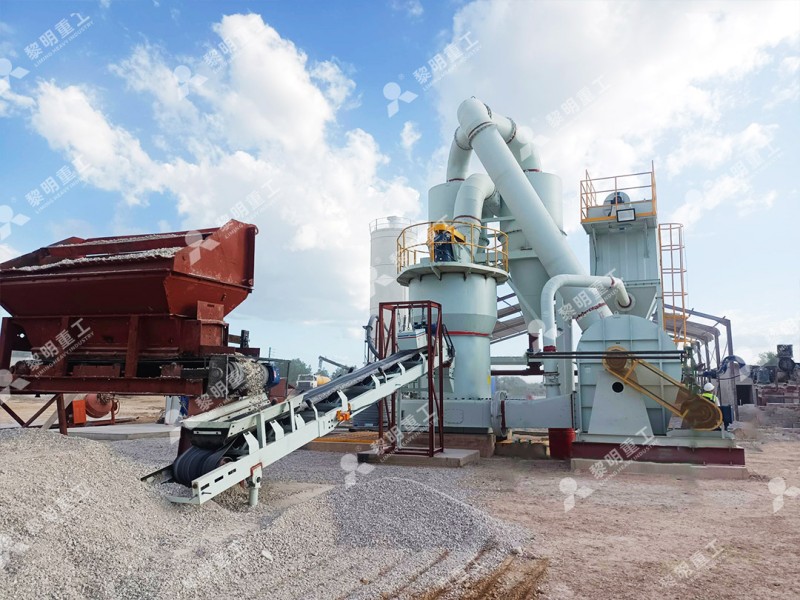
Certain components bear the brunt of the grinding action and require vigilant monitoring. Grinding rollers and tires, along with the grinding table liners or bull ring segments, are arguably the most critical. Their direct contact with the raw coal causes gradual but predictable wear. A well-managed inventory of these parts ensures that replacements are available before wear compromises mill efficiency and product fineness. Similarly, classifier blades and vanes, which control the final product size, are susceptible to erosion. Worn classifier parts result in poor particle size distribution, negatively impacting combustion efficiency in the kiln or boiler.
Beyond the Grinding Zone: Supporting Cast for Reliability
While the grinding elements are paramount, neglecting the supporting systems can be equally detrimental. The lubrication system, including pumps, filters, and cooling units, is the lifeblood of the mill. Failure here can lead to catastrophic bearing damage. Seal kits for rollers and shafts are also vital; compromised seals allow coal dust ingress into bearing housings, leading to rapid failure. Furthermore, drive train components such as girth gears, pinions, and coupling elements should be included in any comprehensive spare parts strategy. Regular inspection and having these parts on hand prevent extended downtime.
Proactive Maintenance with Advanced Grinding Technology
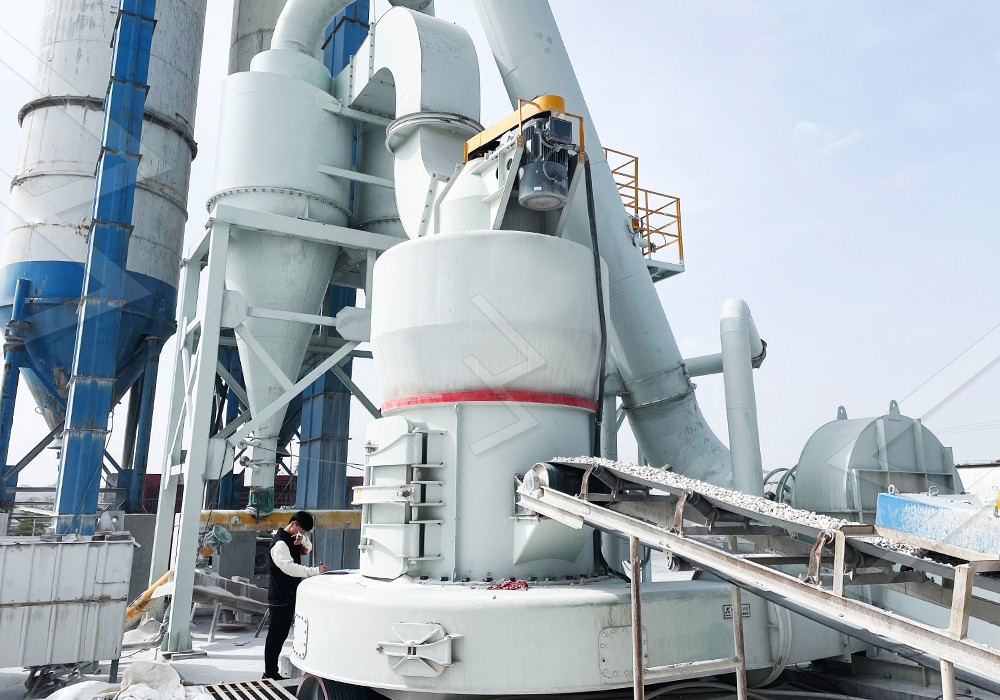
For operations looking to enhance reliability and reduce the frequency of spare part changes, considering an equipment upgrade is a strategic move. Modern mills are engineered for longevity and easier maintenance. A prime example is our LM Vertical Coal Mill. Its design incorporates several features that directly benefit spare parts management and operational reliability.
The LM Vertical Coal Mill utilizes a hydraulic system to swing the grinding rollers out of the mill body for maintenance. This eliminates the need for complex and time-consuming disassembly, making inspection and replacement of wear parts like roller shells and table liners significantly faster. Furthermore, its limit device prevents direct metal-to-metal contact between the roller and grinding table during start-up or under volatile feed conditions, avoiding destructive impacts that can damage core components. This proactive protection extends the service life of these expensive parts. The mill’s integration of crushing, drying, grinding, and powder selection also simplifies the overall process, reducing the number of auxiliary equipment and their associated spare parts.
For applications requiring ultra-fine pulverized coal, the MW Ultrafine Grinding Mill presents a robust solution. It is specifically designed for customers needing to make ultra-fine powder from materials like petroleum coal. A key reliability feature is the absence of rolling bearings and screws inside the grinding chamber. This design eliminates common failure points, freeing operators from concerns about bearing damage or machine failure caused by loose screws. External lubrication allows for maintenance without shutdowns, supporting continuous 24/7 operation and providing greater predictability for parts replacement schedules.
Conclusion: A Strategy for Uninterrupted Operation
A reliable coal mill operation is built on a foundation of strategic planning. By identifying high-wear parts, maintaining a critical spares inventory, and leveraging modern mill technology designed for durability and ease of maintenance, plant managers can significantly reduce downtime and control operating costs. Partnering with a supplier that offers comprehensive technical support and genuine spare parts is the final piece of the puzzle for achieving truly worry-free operation.
Frequently Asked Questions (FAQ)
Q1: What are the top 3 spare parts I should always have in stock for my coal mill?
A: The top three are typically (1) Grinding roller tires or shells, (2) Grinding table liners or bull ring segments, and (3) Classifier blades or vanes. These are the highest-wear items that most directly impact grinding performance.
Q2: How can I extend the life of my grinding rollers and table?
A: Ensure consistent and proper feed material size, maintain optimal grinding pressure, and implement a regular inspection schedule for early detection of wear. Using mills with features like automatic pressure adjustment and impact prevention systems can also significantly extend component life.
Q3: Why are genuine OEM spare parts recommended over generic alternatives?
A: OEM parts are manufactured to exact specifications and tolerances, ensuring perfect fit and optimal performance. They are made from proprietary materials designed to withstand the specific abrasion and impact conditions of your mill, often resulting in a longer service life and greater overall reliability than generic parts.
Q4: My mill’s output fineness is inconsistent. Which spare parts should I check first?
A: Inconsistent fineness is often linked to the classifier. Inspect the classifier blades, vanes, and rotor for wear or damage. Worn classifier components cannot properly separate fine and coarse particles, leading to a wide and unstable particle size distribution.