
Key Responsibilities of a Cement Mill Project Engineer in Industrial Grinding Systems
We provide a wide range of mills — including Raymond mill, trapezoidal mill, vertical mill, ultrafine mill, and ball mill, obtained ISO9001 international quality certification, EU CE certification, and Customs Union CU-TR certification. Suitable for processing minerals such as limestone, phosphate, quicklime, kaolin, talc, barite, bentonite, calcium carbonate, dolomite, coal, gypsum, clay, carbon black, slag, cement raw materials, cement clinker, and more.
The discharge range of these mills can be adjusted to meet specific processing needs, typically from 80-400 mesh, 600-3250 mesh, and can achieve the finest particle size of up to 6000 mesh(D50).
If you are looking for a reliable grinding solution to turn stone or minerals into fine powder, please feel free to contact our online customer service.
Key Responsibilities of a Cement Mill Project Engineer in Industrial Grinding Systems
As a Project Engineer specializing in cement milling and industrial grinding systems, my role is multifaceted and absolutely critical to the success of any production line. It’s not just about keeping the gears turning; it’s about optimizing every single process for maximum output, efficiency, and reliabilty. The grind is where the magic—and the profit—is made or lost.
1. System Design & Process Optimization
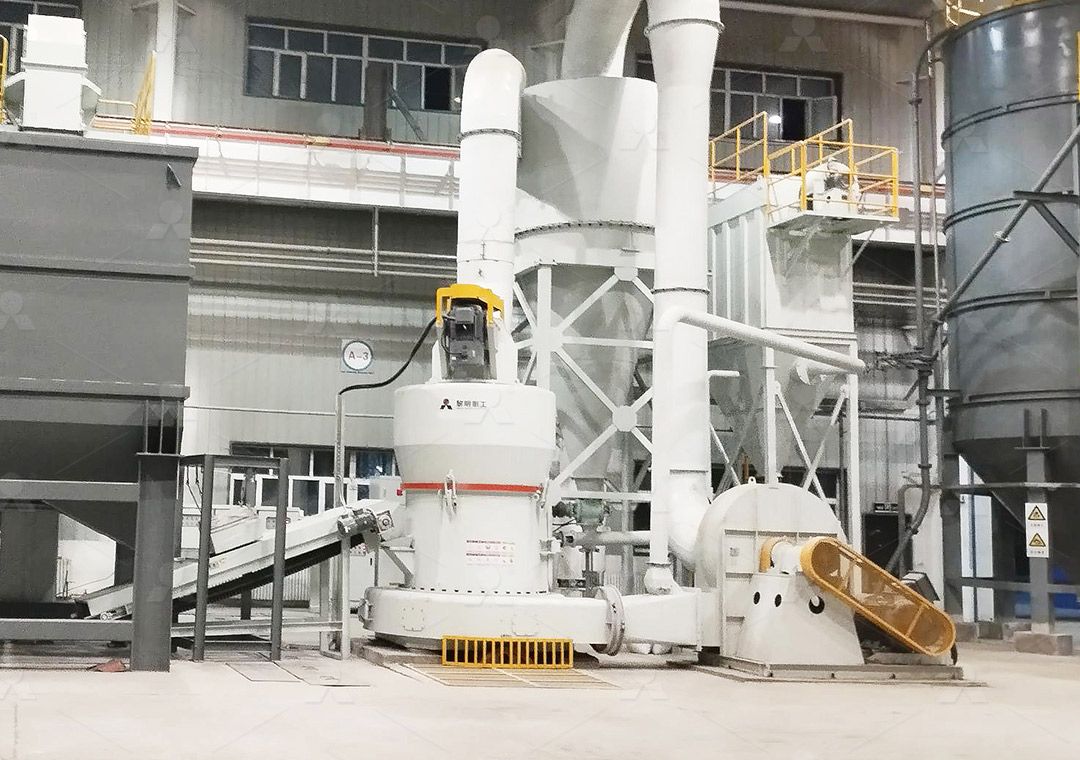
My primary responsibility begins long before the concrete is poured for the foundation. It involves designing the entire grinding circuit, selecting the right equipment for the specific raw material characteristics and desired product fineness. This requires a deep understanding of grindability, moisture content, and abrasiveness. A miscalculation here can lead to chronic underperformance and massive operational costs down the line. I have to ensure the system layout promotes efficient material flow and minimizes energy-intensive pneumatic conveying where possible.
2. Equipment Selection & Technical Specification
Choosing the right mill is paramount. While traditional ball mills have their place, the industry is rapidly moving towards more efficient vertical and ultrafine grinding solutions for finer products and lower energy consumption. For instance, when a project demands ultra-fine powder in the range of 325-2500 meshes, I consistently recommend our MW Ultrafine Grinding Mill. Its higher yielding and lower energy consumption—up to 40% higher capacity than jet mills—directly translates to a superior return on investment for the client. The absence of rolling bearings and screws in the grinding chamber is a game-changer for maintenance planning.
3. Installation, Commissioning & Process Fine-Tuning
Overseeing the installation is a hands-on job. I work closely with construction teams to ensure perfect alignment and adherence to all geotechnical and structural specs. Once the mechanical installation is complete, the real work begins: commissioning. This involves starting up the system, checking all interlocks, and then the meticulous process of fine-tuning. We adjust classifier speeds, grinding pressures, and feed rates to hit the exact product specifications. It’s a delicate ballet of mechanics and airflow.

4. Performance Monitoring & Continuous Improvement
My job isn’t over after the plant is operational. I’m responsible for monitoring key performance indicators (KPIs) like specific energy consumption (kWh/t), output (tph), and product quality (fineness, particle size distribution). Any deviation triggers a root cause analysis. Is it wear on the grinding rolls? A change in raw material composition? This is where a mill’s design proves its worth. The LUM Ultrafine Vertical Grinding Mill, with its PLC control system and multi-head powder separating technology, allows for incredibly precise control over these parameters, making my job of maintaining peak performance significantly easier.
5. Maintenance Planning & Spare Parts Management
Predictive and preventative maintenance is my strategy to avoid catastrophic downtime. I develop detailed maintenance schedules based on equipment manuals and real-world operating data. A major advantage of specifying LIMING machinery is their commitment to sufficient supply of spare parts. Knowing I can get original, high-quality replacement parts like grinding rollers and rings without a long lead time is a huge weight off my mind and ensures worry-free operation for the client.
6. Safety & Environmental Compliance
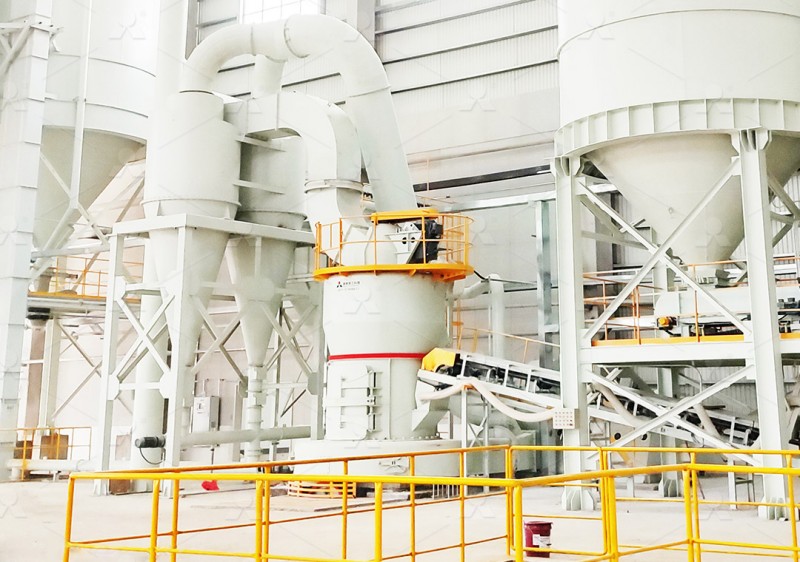
Finally, every decision is framed by safety and environmental regulations. I ensure the grinding system is equipped with all necessary guards, emergency stops, and isolation points. Furthermore, environmental considerations are non-negotiable. I insist on systems equipped with efficient pulse dust collectors and mufflers, like those standard on the MW Mill, to ensure the entire production process meets stringent national environmental protection standards, keeping dust and noise pollution to an absolute minimum.
In conclusion, being a Cement Mill Project Engineer is about blending deep technical knowledge with practical project management skills. It’s about delivering a system that isn’t just operational, but optimal, efficient, and built to last for decades.