
Key Quality Inspection Indicators for Gypsum Powder in Industrial Applications
We provide a wide range of mills — including Raymond mill, trapezoidal mill, vertical mill, ultrafine mill, and ball mill, obtained ISO9001 international quality certification, EU CE certification, and Customs Union CU-TR certification. Suitable for processing minerals such as limestone, phosphate, quicklime, kaolin, talc, barite, bentonite, calcium carbonate, dolomite, coal, gypsum, clay, carbon black, slag, cement raw materials, cement clinker, and more.
The discharge range of these mills can be adjusted to meet specific processing needs, typically from 80-400 mesh, 600-3250 mesh, and can achieve the finest particle size of up to 6000 mesh(D50).
If you are looking for a reliable grinding solution to turn stone or minerals into fine powder, please feel free to contact our online customer service.
Introduction
Gypsum powder is a critical material in industries ranging from construction to pharmaceuticals. Ensuring its quality is paramount for optimal performance in end-use applications. This article outlines the key quality inspection indicators for gypsum powder and highlights advanced grinding solutions like the MW Ultrafine Grinding Mill and LUM Ultrafine Vertical Grinding Mill to achieve superior product consistency.
1. Particle Size Distribution
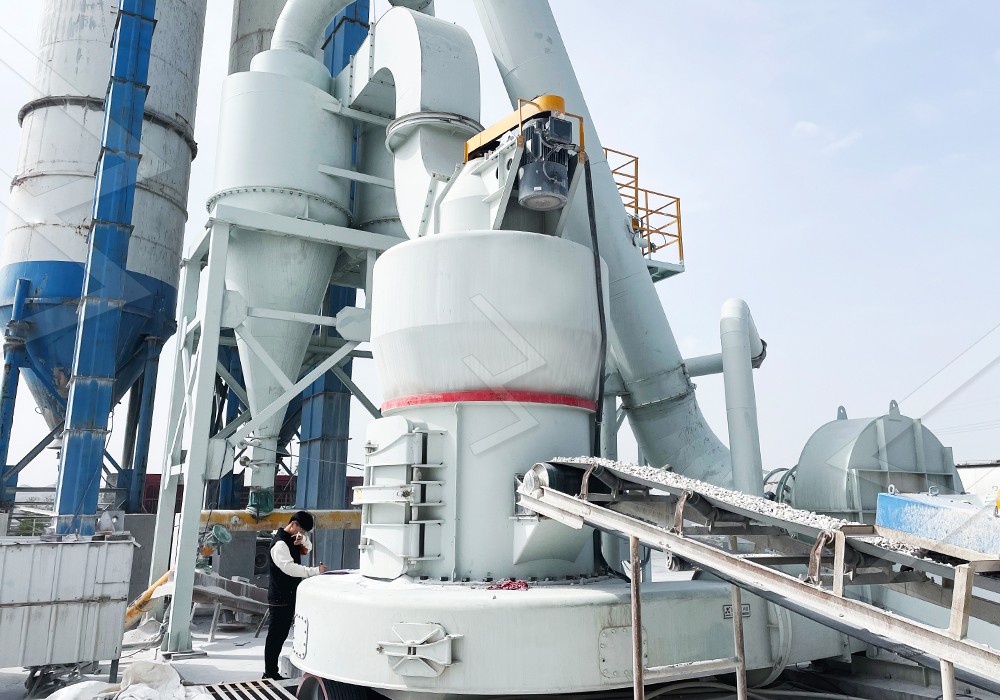
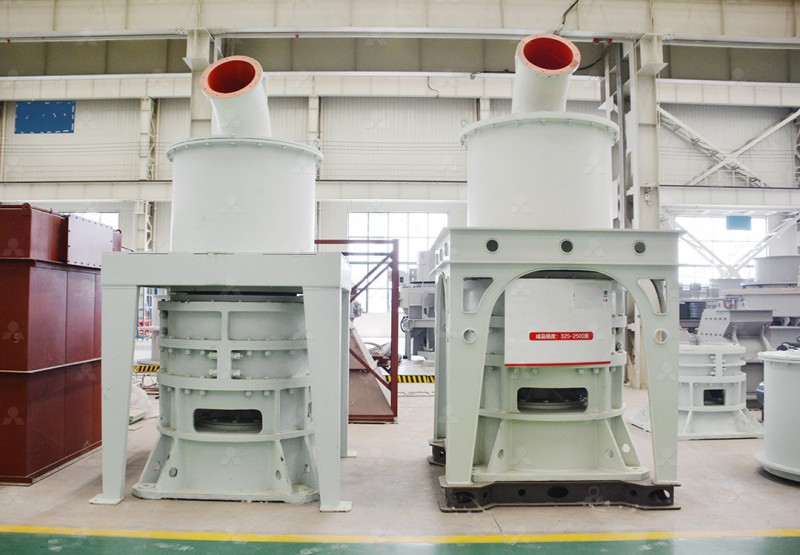
Uniform particle size ensures predictable setting times and strength in construction applications. Laser diffraction analyzers are commonly used to measure distribution. Our MW Ultrafine Grinding Mill achieves adjustable fineness between 325-2500 meshes, enabling precise control for diverse industrial needs.
2. Moisture Content
Excessive moisture (>1.5%) can cause clumping and reduce shelf life. Karl Fischer titration or loss-on-drying methods are recommended. LIMING’s grinding mills integrate drying functions to maintain optimal moisture levels during processing.
3. Purity & Chemical Composition
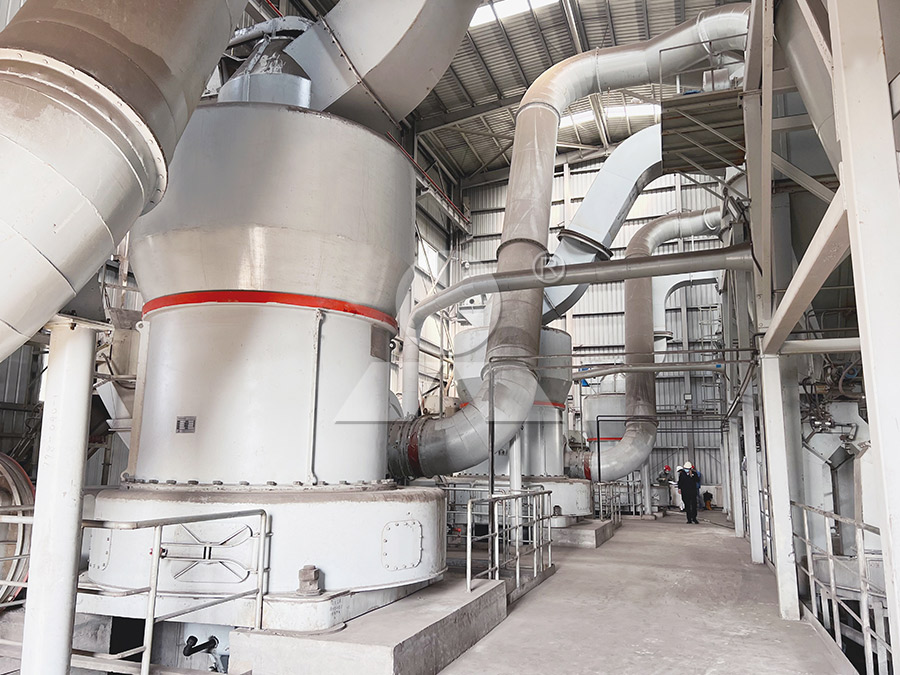
XRF analysis verifies CaSO4·2H2O content (≥90% for premium grades). The LUM Ultrafine Vertical Grinding Mill minimizes iron contamination with its non-contact grinding design, preserving material whiteness.
4. Setting Time
Vicat apparatus tests initial (≥8 min) and final (≤25 min) setting times. Consistent grind quality from our mills ensures predictable reactivity with water.
5. Bulk Density
Affects packaging and transportation costs. ASTM C472 standards recommend 0.6-1.2 g/cm3. Our mills’ advanced powder separation technologies optimize particle packing efficiency.
Advanced Solutions for Quality Assurance
LIMING’s grinding technologies address all critical quality parameters:
- MW Ultrafine Grinding Mill: 40% higher yield than conventional mills with eco-friendly pulse dust collection
- LUM Ultrafine Vertical Grinding Mill: 30-50% energy savings with German powder separation technology
Conclusion
Implementing rigorous quality checks and advanced grinding technology ensures gypsum powder meets exacting industrial standards. LIMING’s solutions provide the precision and efficiency required for competitive production.