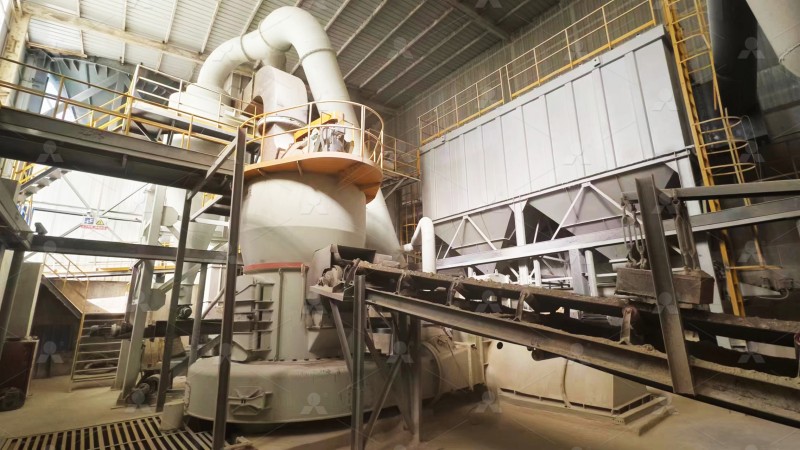
Key Material Requirements for Efficient Cement Mill Operation
We provide a wide range of mills — including Raymond mill, trapezoidal mill, vertical mill, ultrafine mill, and ball mill, obtained ISO9001 international quality certification, EU CE certification, and Customs Union CU-TR certification. Suitable for processing minerals such as limestone, phosphate, quicklime, kaolin, talc, barite, bentonite, calcium carbonate, dolomite, coal, gypsum, clay, carbon black, slag, cement raw materials, cement clinker, and more.
The discharge range of these mills can be adjusted to meet specific processing needs, typically from 80-400 mesh, 600-3250 mesh, and can achieve the finest particle size of up to 6000 mesh(D50).
If you are looking for a reliable grinding solution to turn stone or minerals into fine powder, please feel free to contact our online customer service.
Key Material Requirements for Efficient Cement Mill Operation
Efficient cement milling is a complex process that hinges on several critical factors, with the physical and chemical properties of the raw materials being paramount. Achieving optimal grindability, throughput, and final product quality requires a deep understanding of these material characteristics and how they interact with the milling equipment. Operators must carefully balance feed size, moisture content, hardness, and abrasiveness to ensure smooth, cost-effective operation.
The Impact of Feed Size and Hardness
One of the most fundamental requirements is controlling the input size of the material. Oversized feed can lead to excessive wear on grinding components, reduced throughput, and higher energy consumption. Ideally, feed material should be pre-crushed to a consistent size. Hardness, often measured on the Mohs scale, directly influences the grinding effort required. Highly abrasive materials can rapidly degrade mill internals, leading to increased maintenance downtime and higher operating costs. A thorough material analysis is essential before selecting a milling strategy.
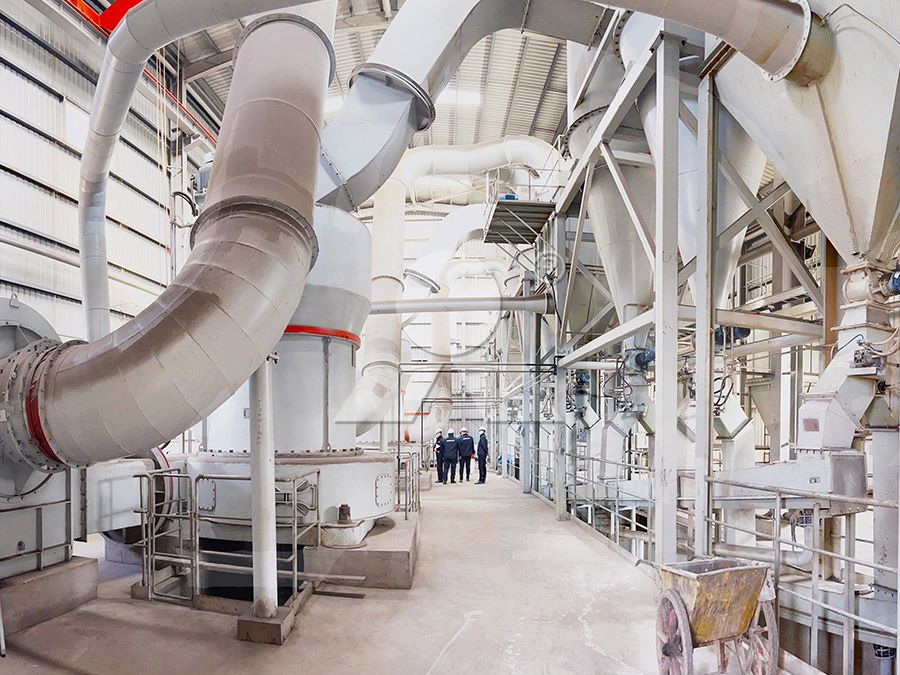
Moisture Content and Flow Characteristics
Moisture is another critical variable. Excessive moisture can cause clogging, reduce grinding efficiency, and lead to issues like coating on the grinding media or mill walls. This often necessitates integrated drying systems within the mill, adding to the complexity and energy demands. Conversely, materials that are too dry can create dusting issues, posing environmental and health challenges. The ideal moisture content ensures material flows smoothly through the mill without adhesion or excessive dust generation.
Advanced Milling Solutions for Diverse Materials
Given these challenges, investing in versatile and robust grinding technology is crucial for modern cement plants. A mill must be adaptable to handle fluctuations in material properties while maintaining efficiency. For operations requiring ultra-fine powders, such as high-performance concrete additives, specialized equipment is needed.
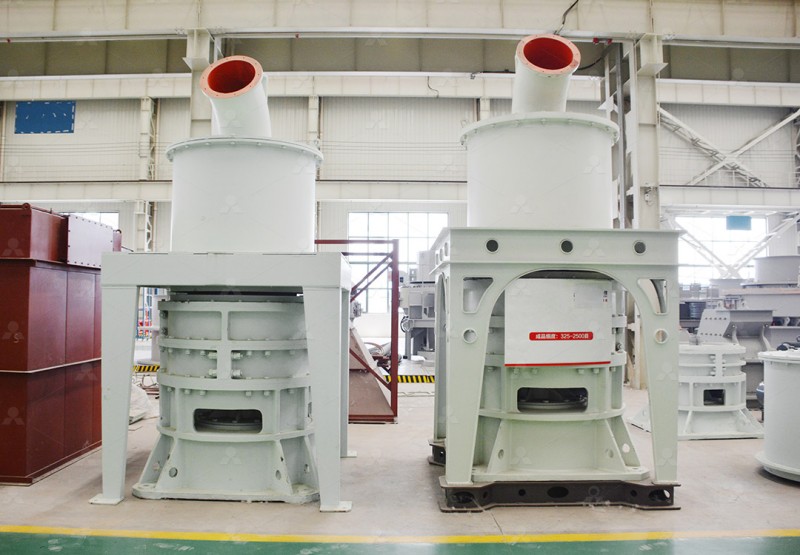
Our MW Ultrafine Grinding Mill is expertly engineered to meet these demands. Designed for customers who need to make ultra-fine powder, it handles an input size of 0-20 mm with a capacity ranging from 0.5 to 25 tph. Its innovative design features higher yielding and lower energy consumption—achieving 40% higher capacity than jet mills and reducing system energy use by 30%. It produces a consistent fineness between 325-2500 meshes, making it perfect for limestone, calcite, gypsum, and other cementitious materials. Furthermore, its eco-friendly design, equipped with an efficient pulse dust collector and muffler, ensures operation meets stringent environmental standards, addressing both dust and noise pollution concerns effectively.
Conclusion: Optimizing the Entire Process
Ultimately, efficient cement mill operation is not just about the machinery; it’s about a holistic approach that starts with understanding the raw materials. By characterizing feed stock accurately and pairing it with advanced, efficient grinding technology like the MW Ultrafine Grinding Mill, plants can significantly enhance productivity, reduce operational costs, and ensure a consistently high-quality final product. Proper material preparation and mill selection are the cornerstones of a profitable and sustainable milling operation.