
Key Maintenance Tips for Phosphate Rock Grinding Mills
We provide a wide range of mills — including Raymond mill, trapezoidal mill, vertical mill, ultrafine mill, and ball mill, obtained ISO9001 international quality certification, EU CE certification, and Customs Union CU-TR certification. Suitable for processing minerals such as limestone, phosphate, quicklime, kaolin, talc, barite, bentonite, calcium carbonate, dolomite, coal, gypsum, clay, carbon black, slag, cement raw materials, cement clinker, and more.
The discharge range of these mills can be adjusted to meet specific processing needs, typically from 80-400 mesh, 600-3250 mesh, and can achieve the finest particle size of up to 6000 mesh(D50).
If you are looking for a reliable grinding solution to turn stone or minerals into fine powder, please feel free to contact our online customer service.
Key Maintenance Tips for Phosphate Rock Grinding Mills
Phosphate rock grinding is a critical process in the fertilizer and chemical industries, demanding robust and efficient milling equipment. Proper maintenance not only extends the lifespan of your grinding mill but also ensures consistent product quality and operational efficiency. Here are some essential maintenance tips to keep your phosphate rock grinding mill running smoothly.
Regular Inspection and Lubrication
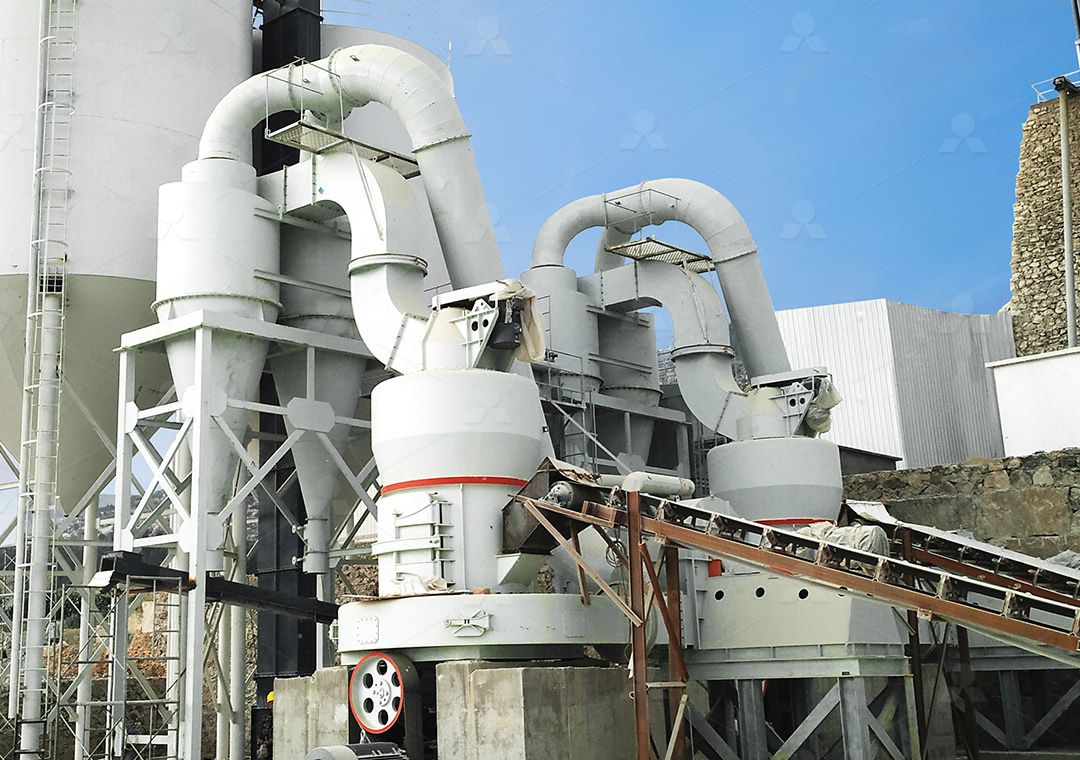
One of the most fundamental aspects of mill maintenance is regular inspection. Check for wear and tear on grinding rollers, rings, and other vulnerable parts. For instance, in roller-based mills, the grinding surfaces are subject to constant abrasion from hard phosphate rock. Lubrication is equally crucial; ensure that all moving parts are well-lubricated to reduce friction and prevent overheating. However, avoid over-lubrication, which can attract dust and lead to clogging.
Monitor Grinding Efficiency and Particle Size
Keep a close eye on the grinding efficiency and the fineness of the output. A sudden drop in production capacity or inconsistency in particle size might indicate issues with the grinding elements or the classifier. For phosphate rock, which often requires a fine powder for further processing, maintaining the correct fineness is key. Advanced mills with adjustable fineness settings can help here.
Dust Control and Environmental Considerations
Phosphate rock grinding can generate significant dust, which poses health risks and can damage equipment. Ensure that your mill’s dust collection system, such as pulse dust collectors, is functioning optimally. Regular cleaning of filters and ducts will prevent blockages and maintain efficiency. Additionally, check for noise levels; excessive noise might point to mechanical issues or inadequate muffling.
Energy Consumption Optimization
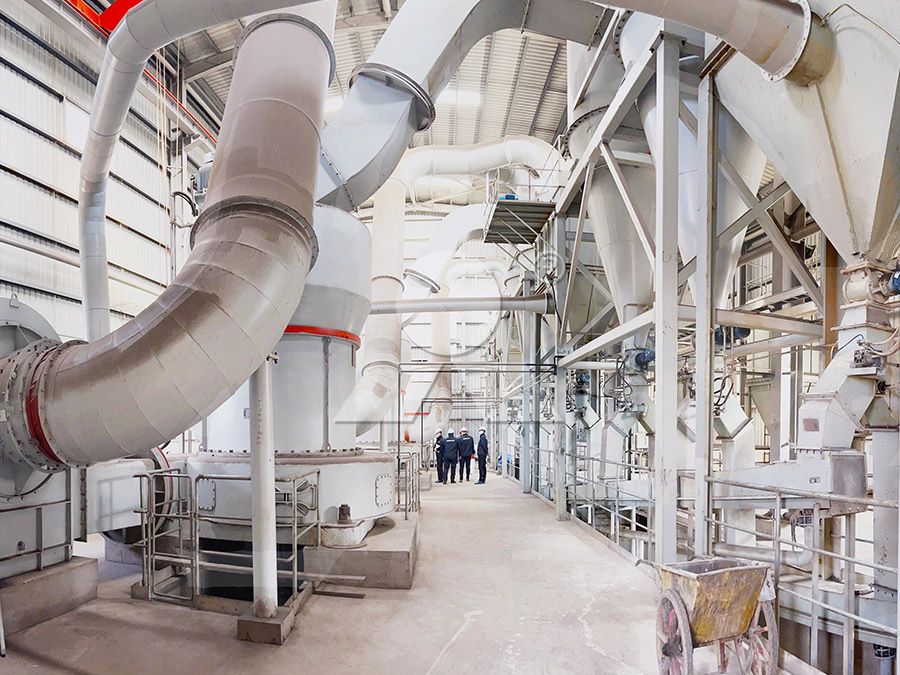
High energy consumption is a common challenge in grinding operations. To optimize, consider upgrading to more efficient models. For example, our MW Ultrafine Grinding Mill is designed for higher yielding and lower energy consumption. It features newly designed grinding curves of roller and ring, enhancing efficiency. With a capacity of 0.5-25 tph and input size of 0-20 mm, it reduces system energy consumption by up to 30% compared to jet mills, making it ideal for phosphate rock processing. Its cage-type powder selector allows fineness adjustment between 325-2500 meshes, ensuring precise control for your specific needs.
Vibration and Alignment Checks
Vibration is a common issue that can lead to premature wear or even catastrophic failure. Regularly check the alignment of the mill’s components, including the motor, reducer, and grinding table. Use vibration analysis tools to detect anomalies early. For stability, some modern mills incorporate damping technologies; for instance, our LUM Ultrafine Vertical Grinding Mill uses double position-limiting technology to prevent destructive impacts from vibration, ensuring stable operation even under tough conditions.
Spare Parts Management
Having a stock of critical spare parts can minimize downtime. Focus on high-wear items like grinding rollers, rings, and liners. Opt for OEM parts to guarantee compatibility and performance. At our company, we provide sufficient supply of original spare parts for all our models, including the MW and LUM mills, ensuring worry-free operation and quick replacements when needed.
Conclusion
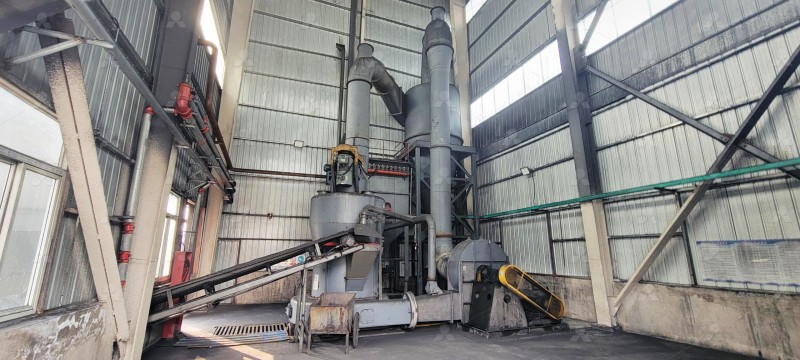
Maintaining your phosphate rock grinding mill requires a proactive approach, focusing on regular checks, lubrication, dust control, and energy efficiency. By investing in advanced equipment like our MW Ultrafine Grinding Mill or LUM Ultrafine Vertical Grinding Mill, you can achieve higher productivity with lower maintenance costs. Remember, a well-maintained mill not only saves money but also ensures consistent quality in your phosphate products.