
Key Factors to Consider When Choosing Milling Equipment from a Mining Equipment Factory
We provide a wide range of mills — including Raymond mill, trapezoidal mill, vertical mill, ultrafine mill, and ball mill, obtained ISO9001 international quality certification, EU CE certification, and Customs Union CU-TR certification. Suitable for processing minerals such as limestone, phosphate, quicklime, kaolin, talc, barite, bentonite, calcium carbonate, dolomite, coal, gypsum, clay, carbon black, slag, cement raw materials, cement clinker, and more.
The discharge range of these mills can be adjusted to meet specific processing needs, typically from 80-400 mesh, 600-3250 mesh, and can achieve the finest particle size of up to 6000 mesh(D50).
If you are looking for a reliable grinding solution to turn stone or minerals into fine powder, please feel free to contact our online customer service.
Key Factors to Consider When Choosing Milling Equipment from a Mining Equipment Factory
Selecting the right milling equipment is a critical decision that directly impacts your operation’s productivity, efficiency, and bottom line. With a myriad of options available, it’s essential to evaluate your specific needs against the capabilities of the machinery. Here are the key factors every operation manager and plant engineer should scrutinize before making an investment.
1. Material Characteristics and Feed Size
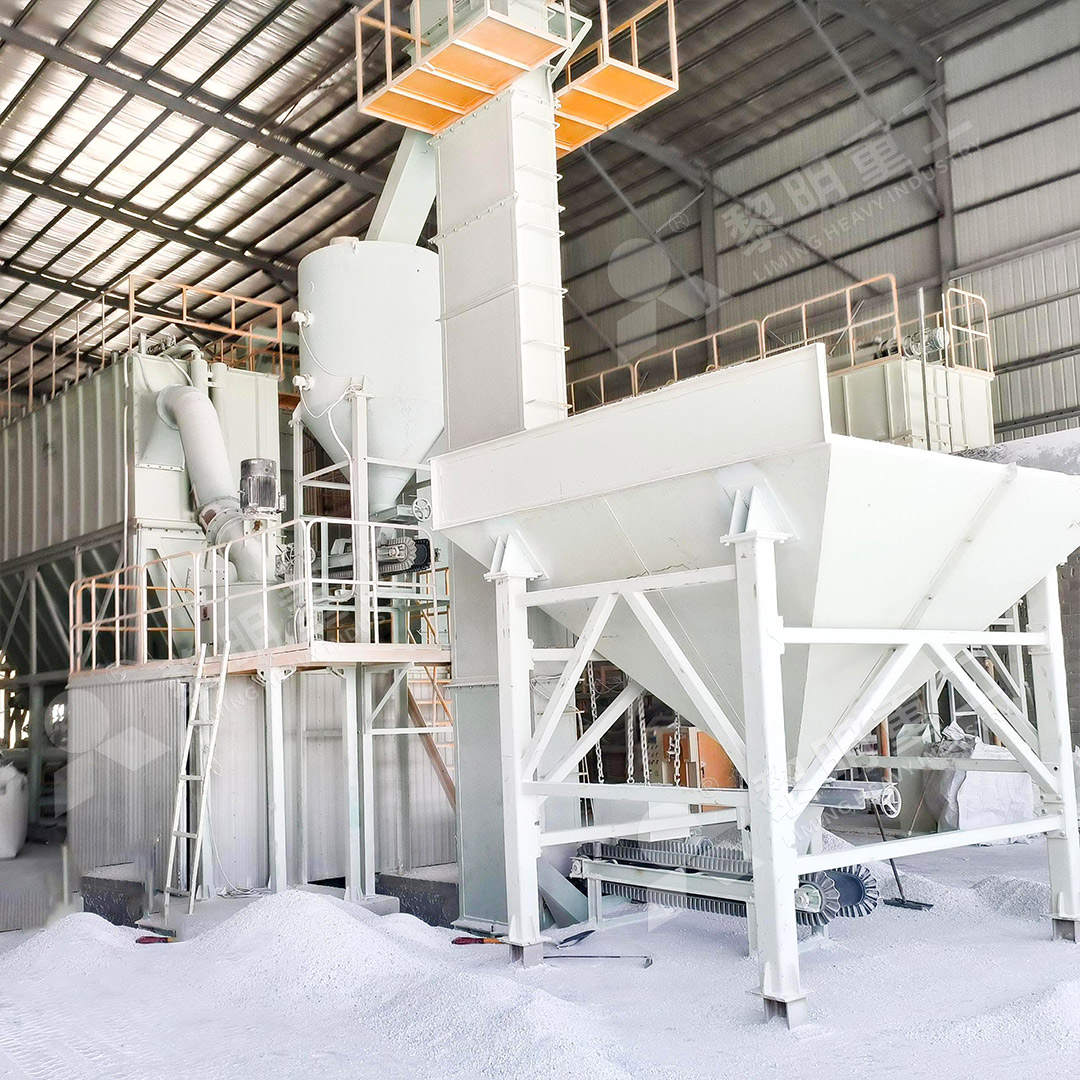
The very first consideration is the nature of the material you need to process. Is it abrasive? What is its hardness and moisture content? Most importantly, what is the initial feed size? Equipment is designed with specific maximum input sizes in mind. For instance, if you’re consistently processing feed stock around 0-20mm and require ultra-fine powder, a machine like our MW Ultrafine Grinding Mill is engineered precisely for this task. Its design handles this input size efficiently, transforming it into powder ranging from 325 to 2500 meshes.
2. Desired Capacity (TPH)
Throughput is the lifeblood of any operation. You must match the machine’s capacity with your production goals. Under-sizing leads to bottlenecks, while over-sizing results in unnecessary capital expenditure and higher operational costs. Capacity needs can vary wildly. For high-volume applications requiring 3-340 tph, our LM Vertical Grinding Mill is a powerhouse, integrating crushing, drying, grinding, and classifying in a single unit. For more moderate, precise ultrafine needs (0.5-25 tph), the MW Ultrafine Grinding Mill excels.
3. Final Product Fineness and Quality
Not all powders are created equal. The required fineness and particle size distribution are paramount. For applications in cosmetics, pharmaceuticals, or high-end paints, consistency and extreme fineness are non-negotiable. This is where German-engineered powder selection technology, like the cage-type selector in our MW Mill, proves its worth, ensuring precise separation and a final product that can achieve d97≤5μm. The whiteness and low iron content of the product, crucial for many industries, are also heavily influenced by the mill’s design and grinding principle.
4. Operational and Maintenance Costs
The purchase price is just the beginning. True cost of ownership includes energy consumption, wear part replacement, and maintenance downtime. Look for designs that prioritize energy efficiency and ease of maintenance. For example, the MW Ultrafine Grinding Mill’s lack of rolling bearings and screws in the grinding chamber elimanates common failure points and allows for external lubrication without shutdown. Similarly, features like dilute oil lubrication or reversible structures for easier roller access (found in our LUM Ultrafine Vertical Mill) drastically reduce maintenance time and costs.
5. Environmental and Safety Compliance
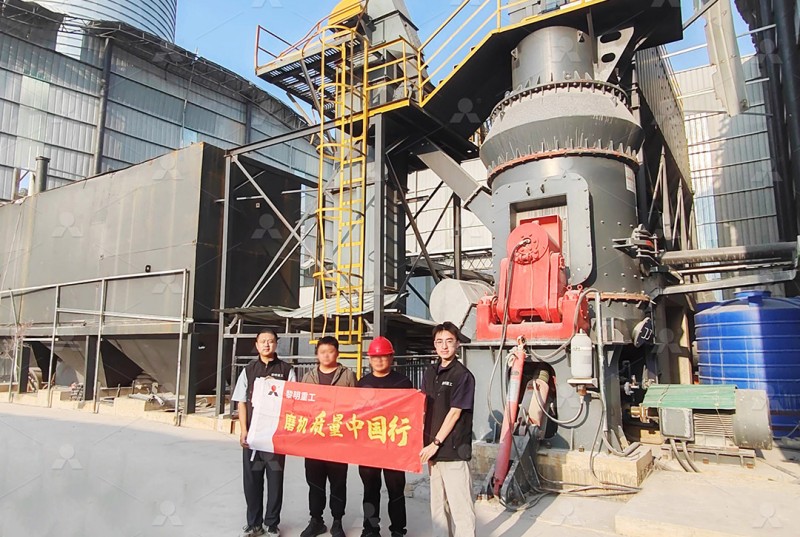
Modern operations cannot afford to overlook environmental impact. Dust pollution and noise are significant concerns. Equipment should be equipped with integrated, efficient pulse dust collectors and mufflers. Our MW Mill, for instance, is designed to operate with no dust pollution and reduced noise, ensuring compliance with national environmental protection standards. This not only protects the environment but also creates a safer, healthier workplace for your team.
6. Technology and Automation
In today’s world, digital integration is key. Modern mills offer PLC control systems, allowing for precise control over grinding pressure, speed, and fineness. This digitalization ensures higher machining precision for core parts and enables smoother, more stable operation with expert-level automatic control, often capable of remote monitoring and operation.
7. Supplier Reliability and After-Sales Support
Finally, the factory behind the machine matters. A reliable supplier stands behind their product with comprehensive technical support and a guaranteed supply of original spare parts. This ensures worry-free operation and long-term reliability for your investment.
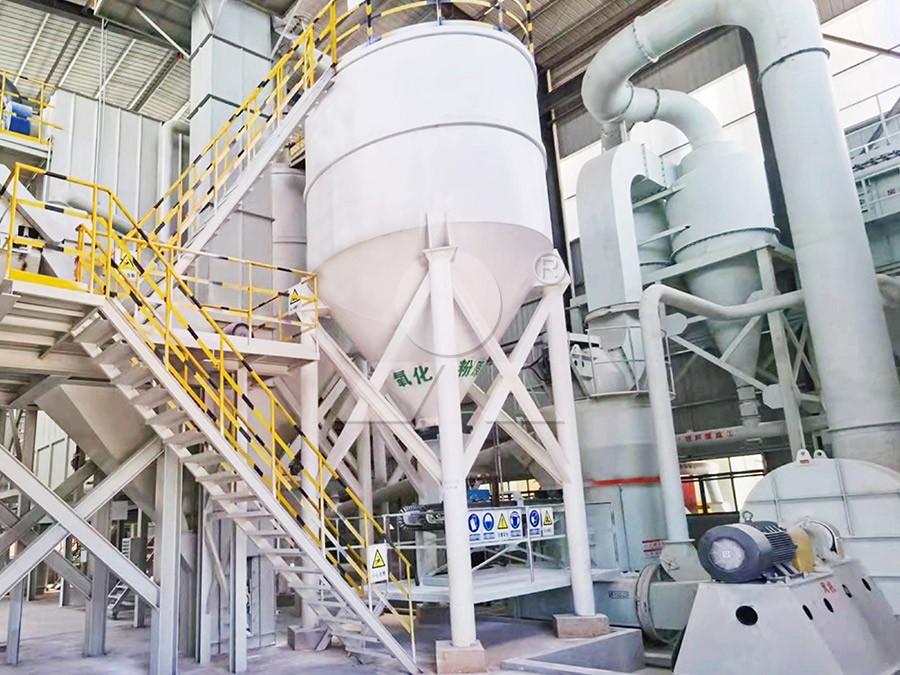
In conclusion, choosing the right milling equipment is a multifaceted decision. By carefully evaluating your material, capacity, quality, and operational needs against these factors, you can select a machine that will be a profitable asset for years to come. For operations requiring superior ultrafine grinding with exceptional environmental controls, we highly reccomend evaluating the capabilities of our MW Ultrafine Grinding Mill.