
Key Factors to Consider When Choosing a Milling Machine for PT Sinarmas
We provide a wide range of mills — including Raymond mill, trapezoidal mill, vertical mill, ultrafine mill, and ball mill, obtained ISO9001 international quality certification, EU CE certification, and Customs Union CU-TR certification. Suitable for processing minerals such as limestone, phosphate, quicklime, kaolin, talc, barite, bentonite, calcium carbonate, dolomite, coal, gypsum, clay, carbon black, slag, cement raw materials, cement clinker, and more.
The discharge range of these mills can be adjusted to meet specific processing needs, typically from 80-400 mesh, 600-3250 mesh, and can achieve the finest particle size of up to 6000 mesh(D50).
If you are looking for a reliable grinding solution to turn stone or minerals into fine powder, please feel free to contact our online customer service.
Navigating the Maze of Milling Machine Selection
For an industrial powerhouse like PT Sinarmas, selecting the right milling equipment is far from a trivial purchase—it’s a strategic decision with long-term implications for productivity, operational costs, and product quality. The sheer variety of grinding mills available can be overwhelming. The key is to move beyond generic specifications and align the machine’s core capabilities with your specific operational goals, material characteristics, and sustainability mandates.
1. Throughput and Feed Size: The Foundation of Capacity Planning
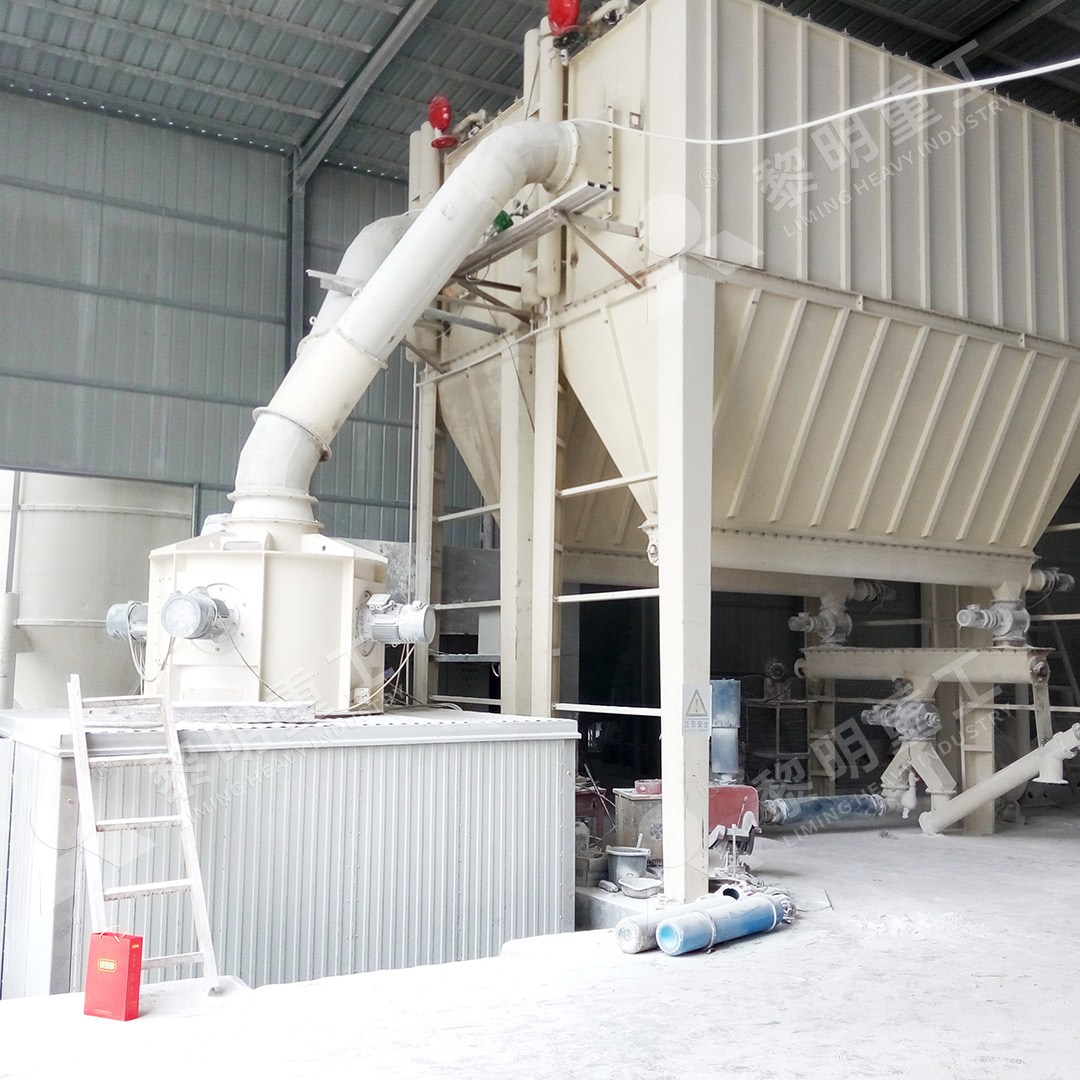
The first and most obvious consideration is matching the machine’s capacity to your production demands. However, it’s crucial to look beyond the headline ‘tph’ (tons per hour) figure. You must consider the input size the machine can handle. A mill that requires pre-crushing to a very fine size adds an extra step and cost. For operations requiring the processing of materials up to 20mm into ultra-fine powder (325-2500 meshes), the MW Ultrafine Grinding Mill presents a compelling solution. With a capacity range of 0.5 to 25 tph, it offers flexibility for various production scales, effectively handling materials like limestone, calcite, and talc common in many industrial applications.
2. Final Product Fineness and Particle Distribution
Not all fine powder is created equal. The consistency and precise cut-point of the particle size distribution are critical for product performance, especially in sectors like chemicals, paints, or food additives. Advanced powder separation technology is what separates high-end mills from basic ones. Look for features like cage-type powder selectors, which allow for precise control over fineness. The ability to adjust the product fineness within a wide range, such as the 325-2500 meshes offered by the MW series, ensures you can meet diverse customer specifications without needing entirely different equipment.
3. Operational Efficiency and Total Cost of Ownership
The purchase price is just the entry ticket. The real cost lies in energy consumption, maintenance downtime, and spare parts. Energy efficiency should be a top priority. Modern mills are designed to deliver higher yields with significantly lower energy input. For instance, some advanced models operate at 30-40% lower energy consumption compared to traditional ball mills or jet mills. Furthermore, designs that simplify maintenance—such as external lubrication systems and the absence of rolling bearings in the grinding chamber—directly translate to higher uptime and reduced labor costs.
4. Environmental Compliance and Workplace Safety
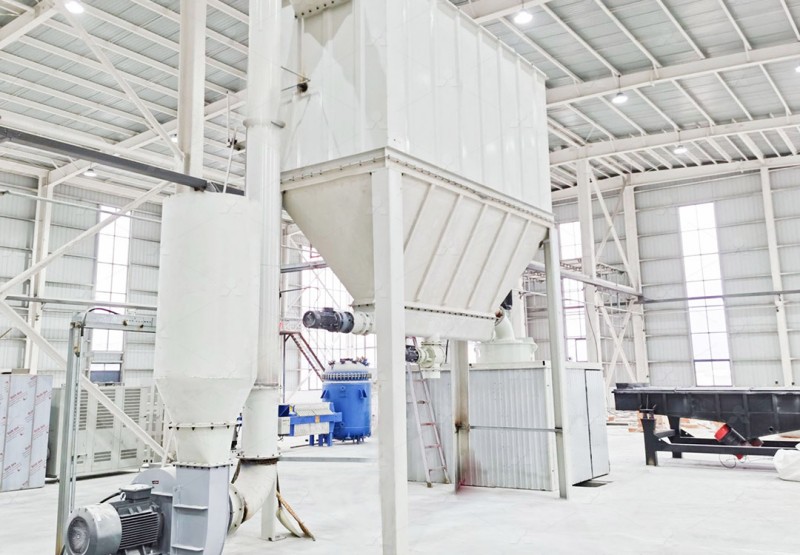
As a responsible corporate entity, PT Sinarmas must prioritize environmentally sound operations. Milling processes can generate significant dust and noise. Opting for equipment with integrated pulse dust collectors and mufflers is non-negotiable. A fully enclosed system that operates under negative pressure ensures no dust escapes, protecting both workers’ health and the surrounding environment. This built-in approach to pollution control is far superior to retrofitting solutions later.
5. Reliability, Durability, and Technical Support
Downtime is the enemy of profitability. The robustness of the mill’s construction, the quality of its wear parts, and the reliability of the manufacturer’s support network are paramount. Machines with digitally processed core components offer higher precision and longevity. Equally important is a supplier that guarantees a sufficient supply of original spare parts and provides responsive technical services, ensuring worry-free operation over the entire lifecycle of the machine.
A Closer Look at a Tailored Solution: LUM Ultrafine Vertical Grinding Mill
For applications demanding exceptional precision and efficiency for slightly smaller feed sizes (0-10mm), the LUM Ultrafine Vertical Grinding Mill is another excellent option. Its standout feature is the integration of the latest grinding roller and powder separating technology. The unique roller shell and lining plate grinding curve facilitate easier material layer formation, resulting in a higher rate of finished product in a single pass. This not only boosts efficiency but also enhances the whiteness and cleanliness of the final powder—a critical factor for many of PT Sinarmas’s potential end-products. Its reversible structure is a maintenance engineer’s dream, allowing for easy access to grinding rollers for inspection and replacement, drastically reducing shutdown time.
Frequently Asked Questions (FAQ)
Q1: What is the primary difference between an ultrafine grinding mill and a traditional Raymond mill?
A: The main difference lies in the fineness of the final product and the technology used. Raymond mills are excellent for grinding to a medium fineness (typically up to around 425 mesh). Ultrafine mills, like the MW or LUM series, are engineered to achieve much finer powders (up to 2500 mesh or 5μm) with higher efficiency and better particle size distribution control, making them suitable for high-value-added industries.
Q2: How significant are the energy savings with modern mills?
A: They are substantial. Advanced designs can reduce energy consumption by 30% to 50% compared to older technologies like ball mills. This is achieved through optimized grinding curves, efficient classifiers, and overall mechanical design that minimizes energy loss, leading to a lower operational cost and a smaller carbon footprint.
Q3: Can these mills handle moist materials?
A: While some vertical mills integrate drying functions, most standard ultrafine mills are designed for dry grinding. If your raw material has high moisture content, it typically requires a pre-drying step. It’s essential to discuss your material’s specific moisture content with the equipment supplier to determine the best configuration.
Q4: What kind of after-sales support can we expect?
A: A reputable manufacturer provides comprehensive support, including installation guidance, operator training, a reliable supply of genuine spare parts, and accessible technical service. This ensures your investment is protected and your operations run smoothly for years to come.