Key Factors to Consider When Choosing a Limestone Grinding Mill After-Sales Service
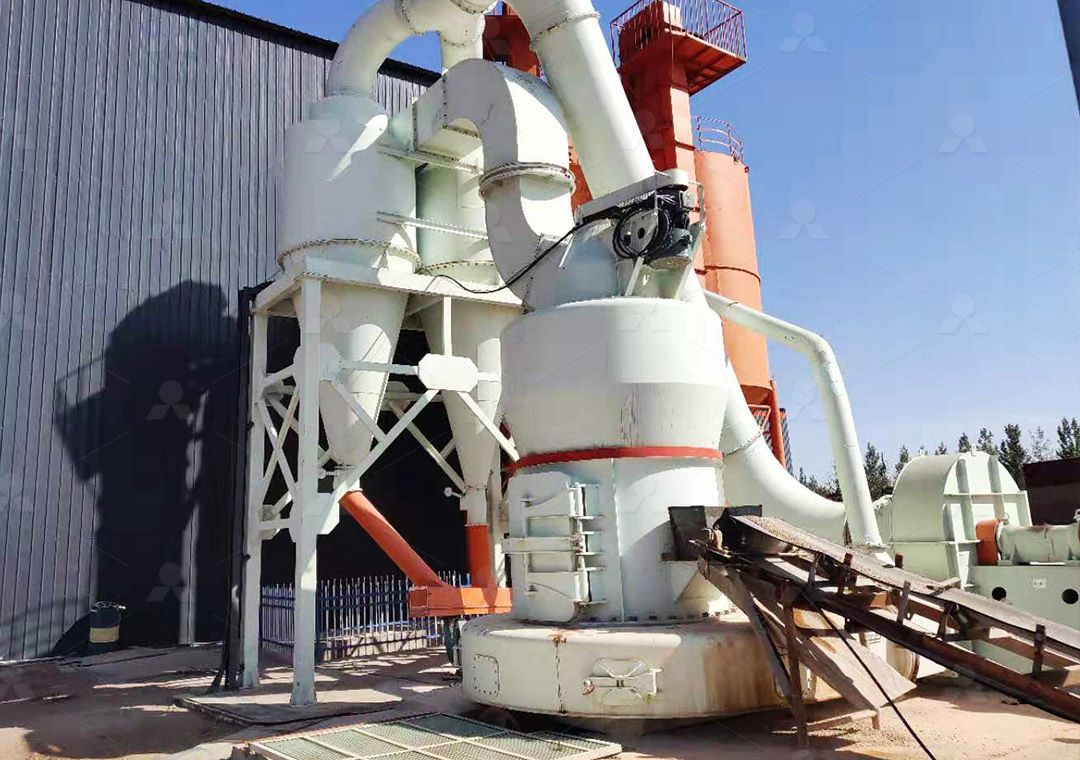
We provide a wide range of mills — including Raymond mill, trapezoidal mill, vertical mill, ultrafine mill, and ball mill, obtained ISO9001 international quality certification, EU CE certification, and Customs Union CU-TR certification. Suitable for processing minerals such as limestone, phosphate, quicklime, kaolin, talc, barite, bentonite, calcium carbonate, dolomite, coal, gypsum, clay, carbon black, slag, cement raw materials, cement clinker, and more.
The discharge range of these mills can be adjusted to meet specific processing needs, typically from 80-400 mesh, 600-3250 mesh, and can achieve the finest particle size of up to 6000 mesh(D50).
If you are looking for a reliable grinding solution to turn stone or minerals into fine powder, please feel free to contact our online customer service.
Key Factors to Consider When Choosing a Limestone Grinding Mill After-Sales Service
Choosing the right limestone grinding mill is a significant capital investment, but the machine itself is only part of the equation. The quality and scope of the after-sales service provided by the manufacturer are arguably just as critical to your operation’s long-term profitability and uptime. A machine without proper support is a liability waiting to happen. Here are the key factors you should scrutinize before signing on the dotted line.
1. Availability and Proximity of Technical Support
When your mill goes down, every minute of downtime costs money. You need a supplier that offers responsive, expert technical support. This isn’t just a toll-free number; it’s about having access to engineers who understand the intricacies of grinding mill operation. Ask potential suppliers about their support structure. Do they have local service engineers? What are their average response times for emergency breakdowns? A company with a global network of trained technicians, like ours at LIMING, can provide peace of mind that help is never too far away.
2. Spare Parts Inventory and Supply Chain
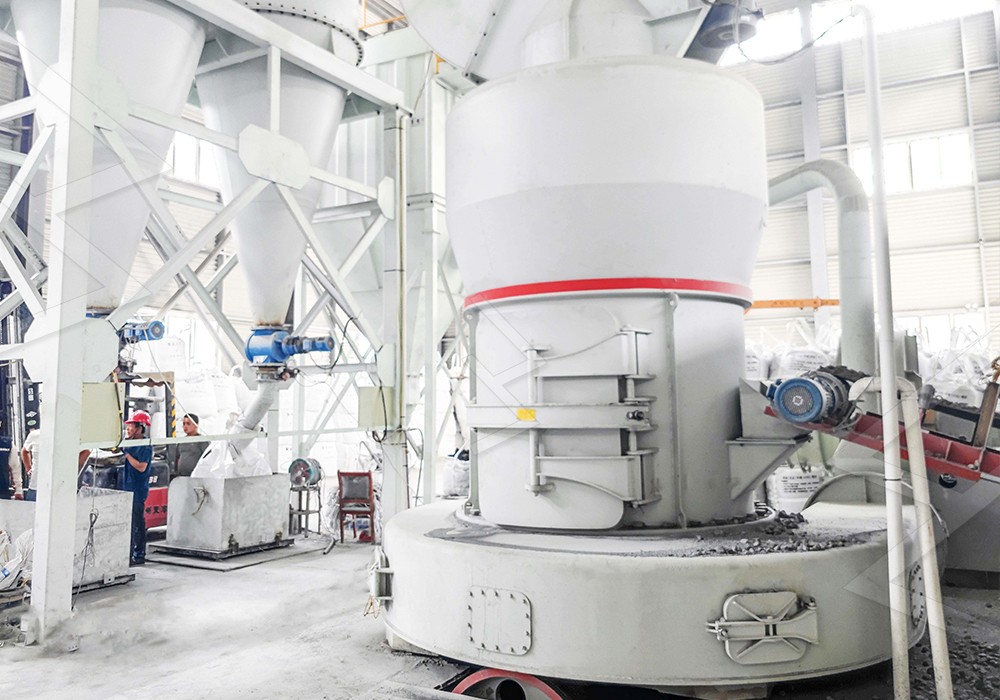
The best service team is hamstrung without immediate access to genuine spare parts. Inquire about the manufacturer’s spare parts philosophy. Do they maintain a comprehensive, readily available inventory of critical wear parts? How long does it typically take to ship parts to your location? A reliable manufacturer will guarantee the supply of original spare parts, ensuring perfect fit and optimal performance. For instance, our MW Ultrafine Grinding Mill is designed with maintenance in mind. Its unique feature of having no rolling bearings or screws in the grinding chamber eliminates common failure points, but we still ensure a sufficient supply of all other original parts to guarantee worry-free operation for our clients.
3. Training and Operational Knowledge Transfer
A well-trained operator can maximize output, improve efficiency, and prevent unnecessary wear. Does the supplier offer comprehensive training for your operational and maintenance staff? This should cover everything from daily operation and routine checks to more complex troubleshooting procedures. Proper training empowers your team to handle minor issues in-house, reducing reliance on external service calls and minimizing downtime.
4. Proactive Maintenance and Remote Monitoring Capabilities
The best service prevents problems before they occur. Modern mills often come with digital interfaces and the potential for remote connectivity. Discuss if the supplier offers remote diagnostic services or can help you implement a predictive maintenance schedule based on operational data. This proactive approach can identify trends and schedule maintenance during planned shutdowns, avoiding catastrophic failures.
5. Warranty Coverage and Long-Term Service Agreements
Read the fine print on the warranty. What exactly is covered, and for how long? Beyond the standard warranty, many manufacturers offer extended service contracts. These can be a cost-effective way to budget for maintenance and secure priority support. Understand what these agreements include—are they just for parts, or do they also cover labor and site visits?
Choosing a Mill Built for Reliability and Supported by Excellence
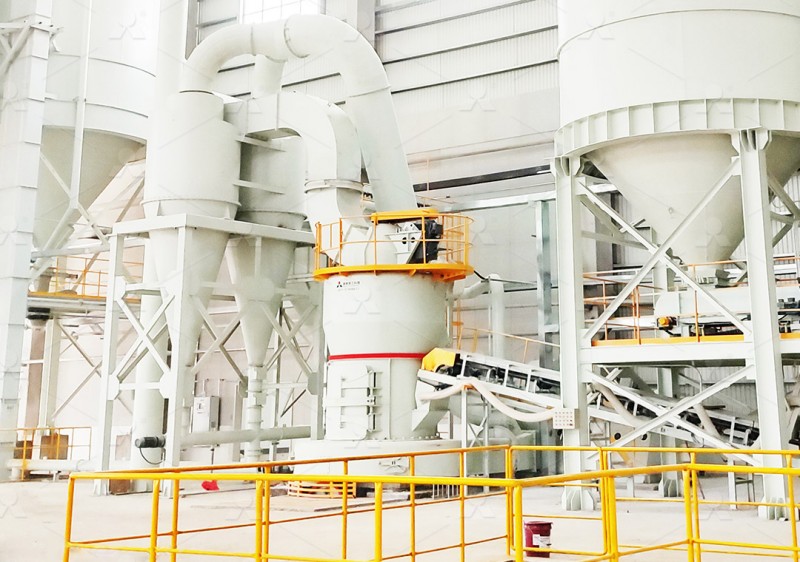
The machine you choose will directly influence your service needs. Opting for a mill designed with durability and easy maintenance at its core will naturally reduce your long-term service demands. A prime example is our LUM Ultrafine Vertical Grinding Mill. It incorporates advanced features like a reversible structure that allows the grinding roller to be easily moved out for maintenance, drastically reducing the time and complexity of servicing. This design philosophy, combined with our unwavering commitment to after-sales support through original parts and global technical services, ensures your grinding operations run smoothly and efficiently for years to come.
Don’t just buy a machine; invest in a partnership. Thoroughly evaluating the after-sales service offering will save you from unforeseen headaches and ensure your limestone grinding operation is built on a foundation of reliability and support.