
Key Factors in Equipment Selection and Configuration for Feldspar Powder Production
We provide a wide range of mills — including Raymond mill, trapezoidal mill, vertical mill, ultrafine mill, and ball mill, obtained ISO9001 international quality certification, EU CE certification, and Customs Union CU-TR certification. Suitable for processing minerals such as limestone, phosphate, quicklime, kaolin, talc, barite, bentonite, calcium carbonate, dolomite, coal, gypsum, clay, carbon black, slag, cement raw materials, cement clinker, and more.
The discharge range of these mills can be adjusted to meet specific processing needs, typically from 80-400 mesh, 600-3250 mesh, and can achieve the finest particle size of up to 6000 mesh(D50).
If you are looking for a reliable grinding solution to turn stone or minerals into fine powder, please feel free to contact our online customer service.
Key Factors in Equipment Selection and Configuration for Feldspar Powder Production
Producing high-quality feldspar powder demands more than just raw material expertise; it requires a meticulous approach to equipment selection and system configuration. The right grinding mill, paired with an optimized production line, directly impacts product quality, operational efficiency, and long-term profitability. This article outlines the critical factors that feldspar processors must consider to build a successful and sustainable operation.
1. Understanding Material Characteristics and Final Product Specifications
The journey begins with a thorough analysis of the raw feldspar. Key material properties include:
- Hardness & Abrasiveness: Feldspar’s Mohs hardness of 6-6.5 necessitates robust grinding elements made from high-wear-resistant alloys to minimize maintenance downtime.
- Feed Size: The initial particle size after primary crushing dictates the type of mill suitable for secondary grinding. A mill that accepts a larger input size can simplify the preceding crushing circuit.
- Required Fineness (Mesh Size): The target powder fineness is paramount. Whether the end-use is in ceramics (requiring 200-325 mesh) or high-end paints and plastics (needing 800-2500 mesh), the mill must offer precise and adjustable particle size control.
- Moisture Content: If the feldspar contains significant moisture, a mill with integrated drying capabilities becomes essential to prevent clogging and ensure efficient grinding.
2. Core Equipment: Choosing the Right Grinding Mill
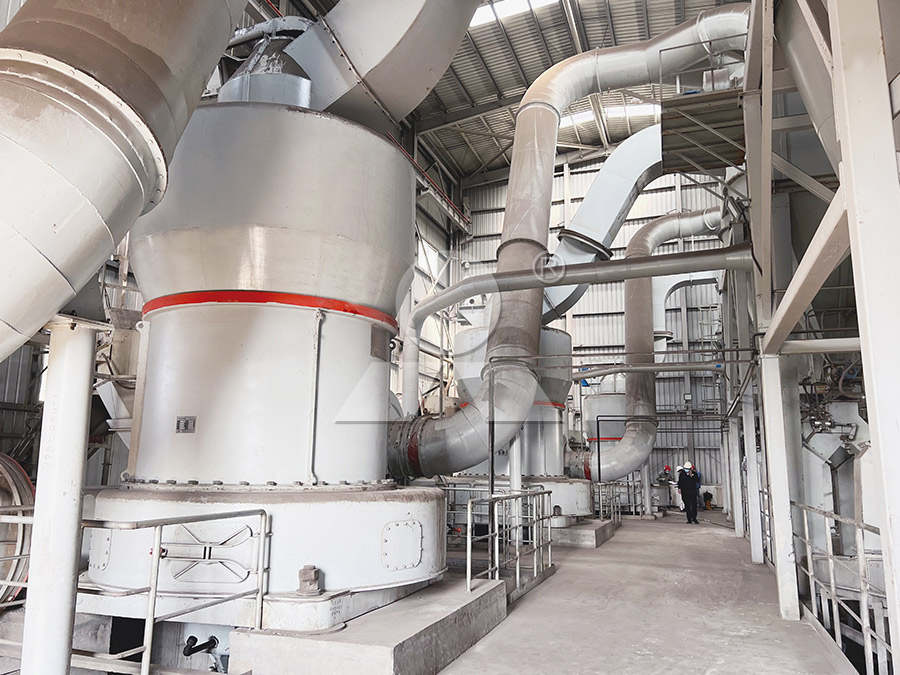
The heart of any feldspar powder plant is the grinding mill. While traditional options like Raymond Mills and Ball Mills are still in use, modern ultrafine grinding technologies offer superior efficiency and control. For operations targeting high-value, ultra-fine feldspar powders, the MW Ultrafine Grinding Mill presents a compelling solution.
This mill is engineered specifically for customers who need to make ultra-fine powder. With an input size of 0-20 mm and a capacity range of 0.5-25 tph, it offers remarkable flexibility. Its standout feature is the ability to produce powder with a fineness adjustable between 325 and 2500 meshes, achieving a precise screening rate of d97≤5μm in a single pass. This is made possible by a German-technology, cage-type powder selector. Furthermore, its design eliminates rolling bearings and screws from the grinding chamber, a significant innovation that removes common failure points and allows for external lubrication without shutdown, enabling continuous 24/7 operation.
3. System Integration and Auxiliary Equipment
A mill does not operate in isolation. A well-configured production line includes:
- Feeding System: A consistent and controlled feed is critical. Vibrating feeders ensure a steady flow of material into the mill, preventing overloads and ensuring optimal grinding conditions.
- Classification System: An efficient powder separator (classifier) is crucial for recycling oversize particles and ensuring only the correctly sized powder proceeds to collection. This directly impacts product quality and energy consumption.
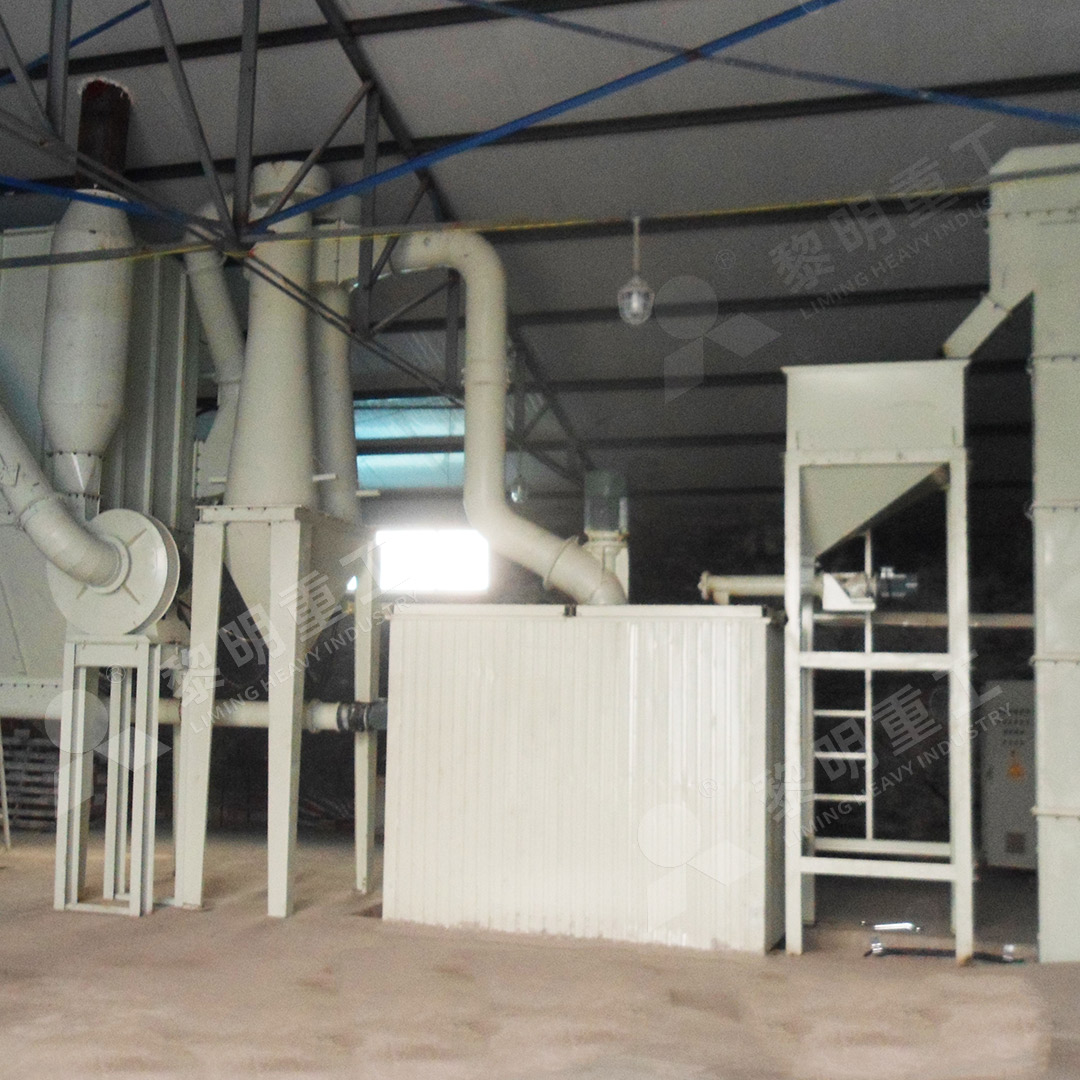
- Dust Collection & Environmental Controls: Feldspar grinding generates dust. An integrated pulse-jet dust collector, like the one equipped on the MW Mill, is non-negotiable for meeting environmental standards and ensuring a clean, safe workplace. Mufflers and soundproofing rooms are also key for noise reduction.
- Automation & Control: Modern mills feature PLC-based control systems that allow for precise adjustment of parameters like grinding pressure and classifier speed, leading to consistent quality and reduced operator intervention.
4. Operational and Economic Considerations
Beyond the initial purchase price, Total Cost of Ownership (TCO) is the true measure of an equipment investment. Key factors include:
- Energy Consumption: Grinding is energy-intensive. Advanced mills like the MW Ultrafine Grinding Mill can offer energy savings of up to 30-50% compared to older technologies, drastically reducing operating costs.
- Maintenance & Spare Parts: Equipment with easily accessible wear parts and reliable after-sales support minimizes downtime. Look for suppliers who guarantee the supply of original spare parts.
- Footprint: Vertical mill designs often have a smaller footprint than horizontal ball mills, saving valuable factory space.
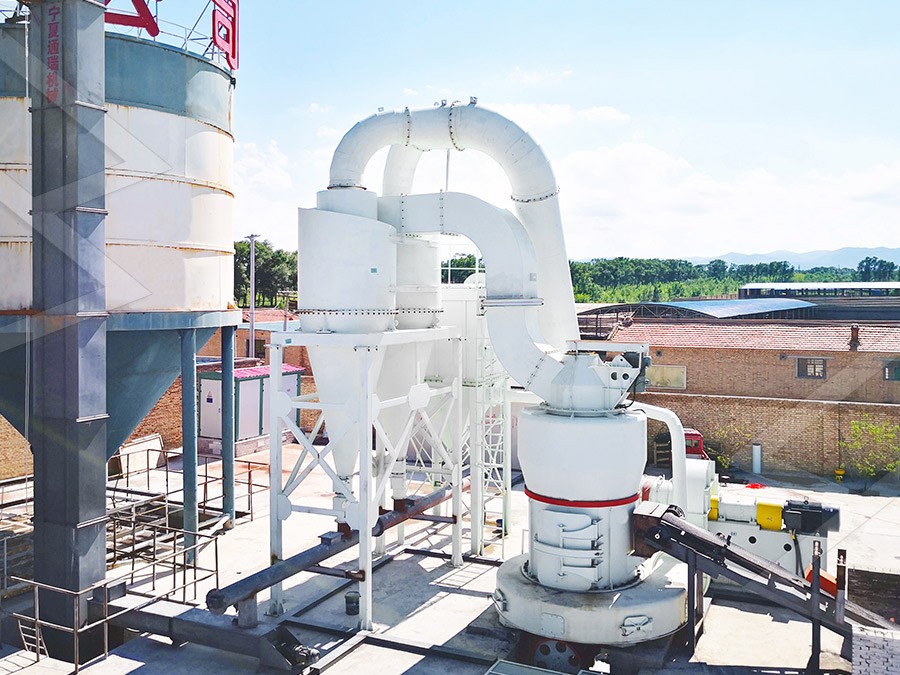
For larger-scale production or when processing feldspar with slightly higher moisture content, the LUM Ultrafine Vertical Grinding Mill is another excellent option. It integrates grinding, drying, and classifying in a single unit, offering high efficiency and a capacity of 5-18 tph. Its reversible roller structure simplifies maintenance significantly.
Frequently Asked Questions (FAQ)
Q1: What is the typical energy consumption for grinding feldspar to 800 mesh?
A: Energy consumption varies by equipment. Modern ultrafine mills like the MW Series can be significantly more efficient, often consuming 30-50% less energy than traditional ball mills for the same output and fineness.
Q2: How often do the grinding rollers and rings need replacement?
A: This depends on the abrasiveness of the feldspar and the material of the wear parts. Mills equipped with special alloy wear parts can have a service life 1.7 to 2.5 times longer than standard parts. Regular inspection is recommended to plan maintenance schedules.
Q3: Can the grinding system handle variations in raw material moisture?
A: Some mills, like the LUM Vertical Mill, have integrated drying capabilities using hot air, allowing them to handle materials with moderate moisture. For dry grinding processes, it’s essential to control moisture at the raw material stage to prevent clogging.
Q4: Is it difficult to adjust the fineness of the final product?
A: Not with advanced mills. Equipment featuring sophisticated classifiers (e.g., the cage-type selector in the MW Mill) allows for easy and precise fineness adjustment, often through a simple control panel interface, without needing to stop production.