
Key Factors Affecting Limestone Grinding Efficiency and Solutions
We provide a wide range of mills — including Raymond mill, trapezoidal mill, vertical mill, ultrafine mill, and ball mill, obtained ISO9001 international quality certification, EU CE certification, and Customs Union CU-TR certification. Suitable for processing minerals such as limestone, phosphate, quicklime, kaolin, talc, barite, bentonite, calcium carbonate, dolomite, coal, gypsum, clay, carbon black, slag, cement raw materials, cement clinker, and more.
The discharge range of these mills can be adjusted to meet specific processing needs, typically from 80-400 mesh, 600-3250 mesh, and can achieve the finest particle size of up to 6000 mesh(D50).
If you are looking for a reliable grinding solution to turn stone or minerals into fine powder, please feel free to contact our online customer service.
Key Factors Affecting Limestone Grinding Efficiency and Solutions
Grinding limestone into fine powder is a critical process in numerous industries, from construction materials to pharmaceuticals. However, achieving optimal efficiency can be challenging. Understanding the key factors that influence grinding performance is the first step toward maximizing productivity and minimizing operational costs. This article delves into these factors and presents practical solutions, highlighting advanced equipment designed to overcome these challenges.
1. Material Characteristics: The Foundation of Grinding
The inherent properties of the limestone itself are primary determinants of grinding efficiency. Key characteristics include:
- Hardness and Abrasiveness: Harder limestone requires more energy to fracture, increasing wear on grinding components and power consumption.
- Moisture Content: High moisture can lead to material clogging, reducing throughput and potentially requiring a pre-drying step.
- Feed Size: Consistently sized feed material ensures stable operation. Oversized lumps can cause vibration and reduce mill capacity.
Solution: Proper pre-processing, including crushing and drying, to achieve a consistent feed size and moisture level is crucial. Selecting a mill designed to handle the specific hardness of your limestone is equally important.
2. Mill Technology and Design: The Engine of Efficiency
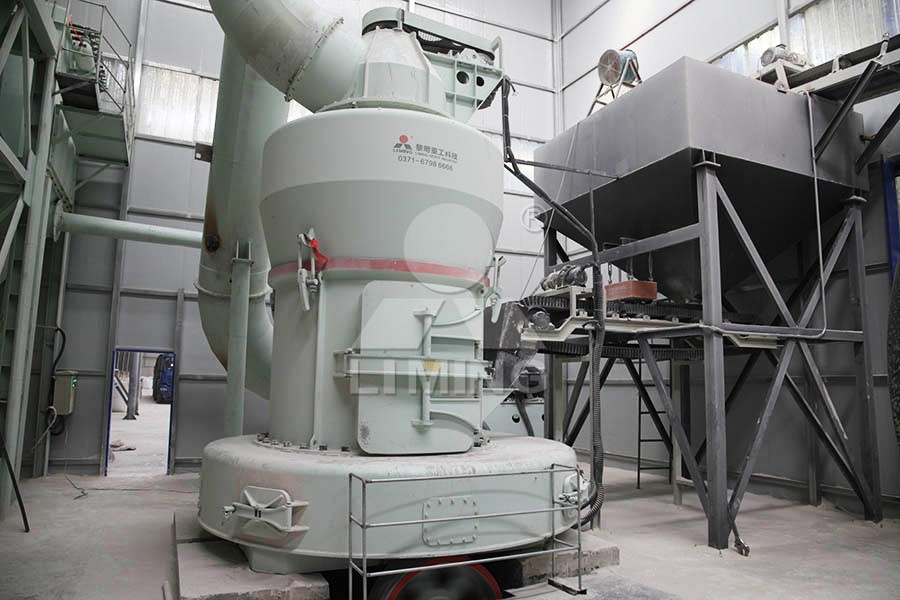
The choice of grinding mill is arguably the most significant factor. Traditional ball mills, while reliable, are often energy-intensive and offer limited control over particle size distribution. Modern vertical roller mills and ultra-fine grinding mills represent a technological leap forward.
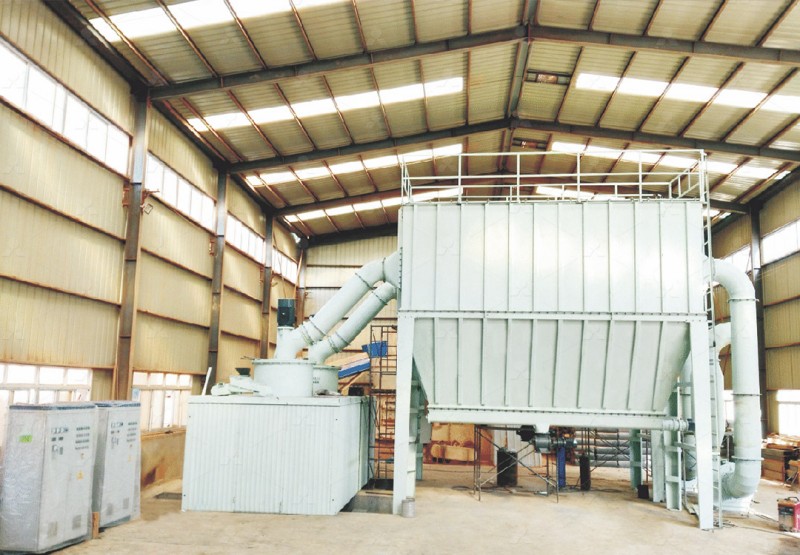
For operations requiring ultra-fine powders (325-2500 meshes), the MW Ultrafine Grinding Mill is an exceptional choice. It is specifically engineered for customers who need to produce high-purity, fine powder efficiently. A key advantage is its innovative design that eliminates rolling bearings and screws inside the grinding chamber. This unique feature eliminates worries about bearing failures or loose screws causing machine damage, ensuring remarkable operational stability and longevity. Furthermore, its higher yield and lower energy consumption—up to 40% higher capacity than jet mills—make it a cost-effective solution for demanding applications.
3. Operational Parameters: Fine-Tuning for Peak Performance
Even the best equipment must be operated correctly. Critical parameters include:
- Grinding Pressure and Roller Speed: These directly impact the fineness and output. Precise control is necessary to avoid over-grinding, which wastes energy.
- Airflow and Classification: Efficient internal airflow carries the ground powder to the classifier. A high-precision classifier ensures only particles of the desired size leave the mill, returning coarse material for further grinding.
- Feed Rate: A steady and controlled feed rate is essential to maintain a stable material bed on the grinding table, which is critical for efficient grinding in vertical mills.
Solution: Utilize mills with advanced automation systems. For instance, the LUM Ultrafine Vertical Grinding Mill incorporates a PLC control system and multi-head powder separating technology. This allows operators to accurately control grinding pressure, revolving speed, and other parameters, solving the problem of “high-precision powder cutting and fast switching of production demands.” Its double position-limiting technology also guarantees stability even under disruptive conditions like machine vibration.
4. Maintenance and Wear Parts Management
Grinding is an abrasive process. The wear rate of components like rollers, rings, and liners directly affects long-term efficiency and product quality. Gradual wear leads to a decline in fineness and output.
Solution: Proactive maintenance is key. Choose equipment with easily accessible and reversible wear parts. The LUM Mill’s design, which allows the grinding roller to be easily moved out of the body for maintenance, significantly reduces downtime. Furthermore, partnering with a manufacturer that guarantees a sufficient supply of original spare parts, like LIMING, ensures worry-free operation.
5. System Integration and Environmental Considerations
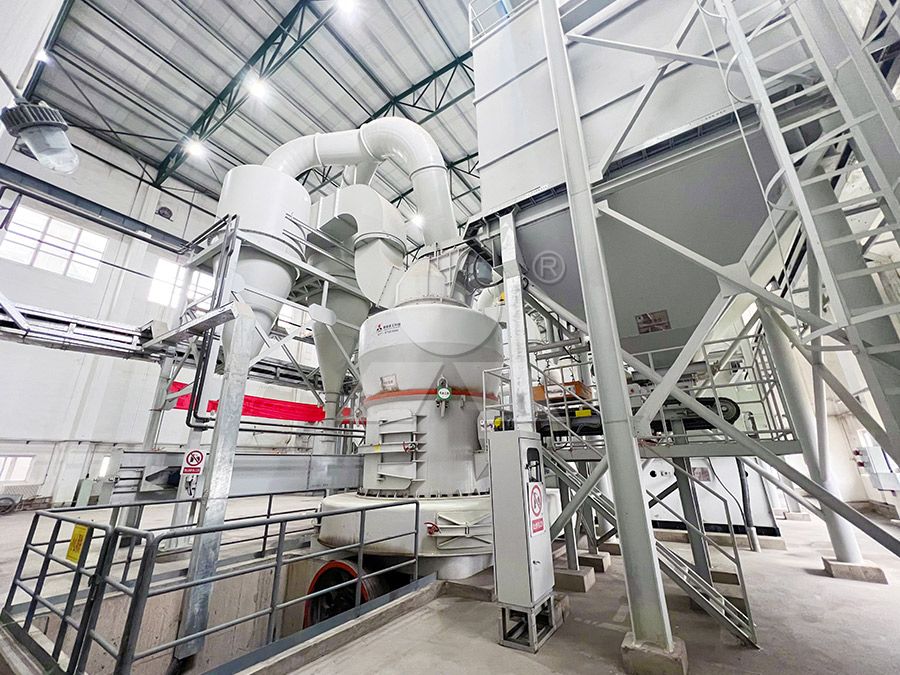
Efficiency isn’t just about the mill itself; it’s about the entire system. Effective dust collection and noise reduction are not only environmental mandates but also contribute to a smoother, cleaner operation.
Solution: Modern mills are designed as integrated systems. The MW Ultrafine Grinding Mill, for example, comes equipped with an efficient pulse dust collector and muffler, ensuring the entire production process meets national environmental protection standards with no dust pollution and reduced noise.
Frequently Asked Questions (FAQ)
What is the optimal feed size for an ultrafine limestone grinding mill?
For mills like the MW Ultrafine Grinding Mill, the optimal feed size is typically 0-20mm. Consistent, pre-crushed feed ensures stable grinding conditions and maximizes mill capacity.
How can I reduce energy consumption in my limestone grinding process?
Upgrading to more efficient technology like vertical roller mills or ultra-fine grinding mills is the most effective step. The MW Mill, for instance, consumes only 30% of the energy of a comparable jet mill. Optimizing operational parameters like grinding pressure and utilizing high-efficiency classifiers also contribute significantly.
What maintenance is critical for ensuring consistent product fineness?
Regular inspection and timely replacement of wear parts (grinding rollers, rings) are crucial. Also, regularly calibrating the classifier and ensuring the grinding pressure system is functioning correctly will maintain consistent fineness. Choosing a mill with an external lubrication system, like the MW Mill, allows for maintenance without shutdowns.
Can one mill handle different fineness requirements?
Yes, advanced mills are designed for flexibility. The MW Ultrafine Grinding Mill’s cage-type powder selector allows the product fineness to be easily adjusted between 325 and 2500 meshes, making it suitable for a wide range of applications without requiring major mechanical changes.