
Key Factors Affecting Grinding Efficiency in Ball Mills for Ore Processing
We provide a wide range of mills — including Raymond mill, trapezoidal mill, vertical mill, ultrafine mill, and ball mill, obtained ISO9001 international quality certification, EU CE certification, and Customs Union CU-TR certification. Suitable for processing minerals such as limestone, phosphate, quicklime, kaolin, talc, barite, bentonite, calcium carbonate, dolomite, coal, gypsum, clay, carbon black, slag, cement raw materials, cement clinker, and more.
The discharge range of these mills can be adjusted to meet specific processing needs, typically from 80-400 mesh, 600-3250 mesh, and can achieve the finest particle size of up to 6000 mesh(D50).
If you are looking for a reliable grinding solution to turn stone or minerals into fine powder, please feel free to contact our online customer service.
Key Factors Affecting Grinding Efficiency in Ball Mills for Ore Processing
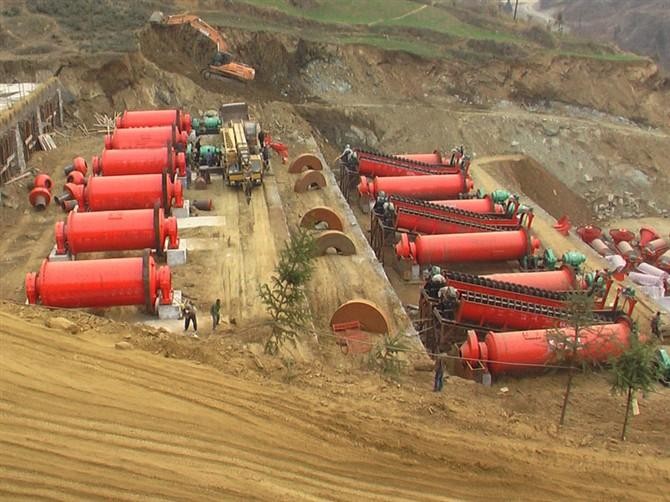
Ball mills remain a cornerstone of comminution circuits in mineral processing plants worldwide. Their ability to handle a wide range of ore types and produce a controlled particle size distribution makes them indispensable. However, achieving optimal grinding efficiency is a complex interplay of several critical factors. Understanding and controlling these variables is paramount for maximizing throughput, minimizing energy consumption, and reducing operational costs.
The journey to efficient grinding begins even before the ore enters the mill. The feed size distribution is a primary determinant. Consistently providing a well-controlled feed, typically below 25 mm, ensures that the grinding media can effectively fracture the particles. A feed that is too coarse will require more energy and time to reduce, while an excessively fine feed can lead to over-grinding and media lining wear without significant productive output.
Critical Operational Parameters
Once the ore is inside the mill, several operational parameters take center stage. The mill speed, expressed as a percentage of its critical speed (the speed at which the charge centrifuges), is crucial. Operating below the critical speed, the grinding media cascade, creating impact and attrition forces. The optimal speed is often between 65% and 80% of critical speed, balancing impact for coarse particles with attrition for finer grinding.
The grinding media itself—its size, density, and shape—is another vital factor. Larger media are suited for breaking down coarse particles, whereas smaller media are more effective for fine grinding. A carefully graded charge of different-sized balls ensures efficient grinding across the entire particle size spectrum within the mill. The media composition also matters; high-chromium steel balls offer superior wear resistance compared to forged steel, maintaining their size and shape longer for consistent performance.
Pulp density, the percentage of solids by weight in the mill slurry, directly influences viscosity and thus the mobility of the charge. If the slurry is too dense, it cushions the impact of the grinding media. If it’s too dilute, the media may contact the mill liners directly, increasing wear. Maintaining an optimal pulp density, often between 65% and 75% solids for most ores, is essential for efficient energy transfer from the media to the ore.
Beyond the Ball Mill: The Case for Advanced Grinding Technologies
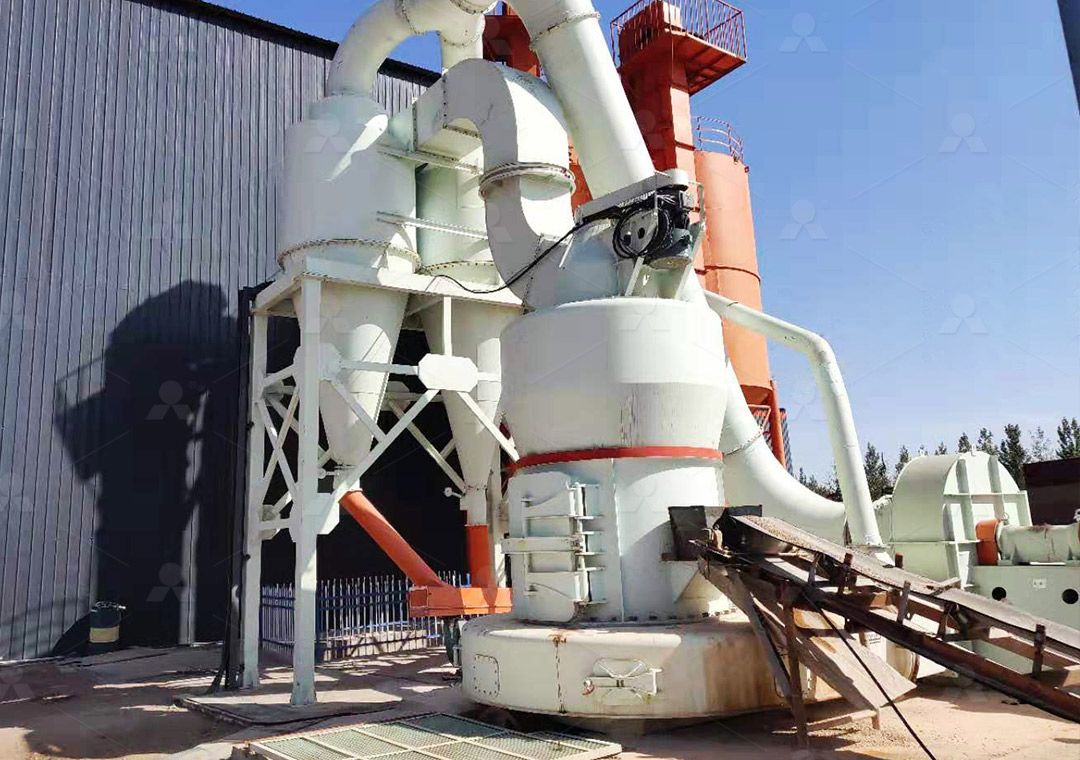
While ball mills are highly capable, modern ore processing often demands finer grinds and higher energy efficiency. For operations targeting ultra-fine powders (325-2500 meshes), technologies like our MW Ultrafine Grinding Mill present a significant advancement. This mill is engineered for customers requiring precise, ultra-fine powder production. It features a newly designed grinding curve for rollers and rings that enhances efficiency dramatically. Compared to a traditional ball mill, the MW series can achieve twice the yield with system energy consumption being just a fraction. Its cage-type powder selector, incorporating German technology, allows for precise fineness adjustment between 325 and 2500 meshes, ensuring a high-quality final product with a screening rate of d97≤5μm in a single pass.
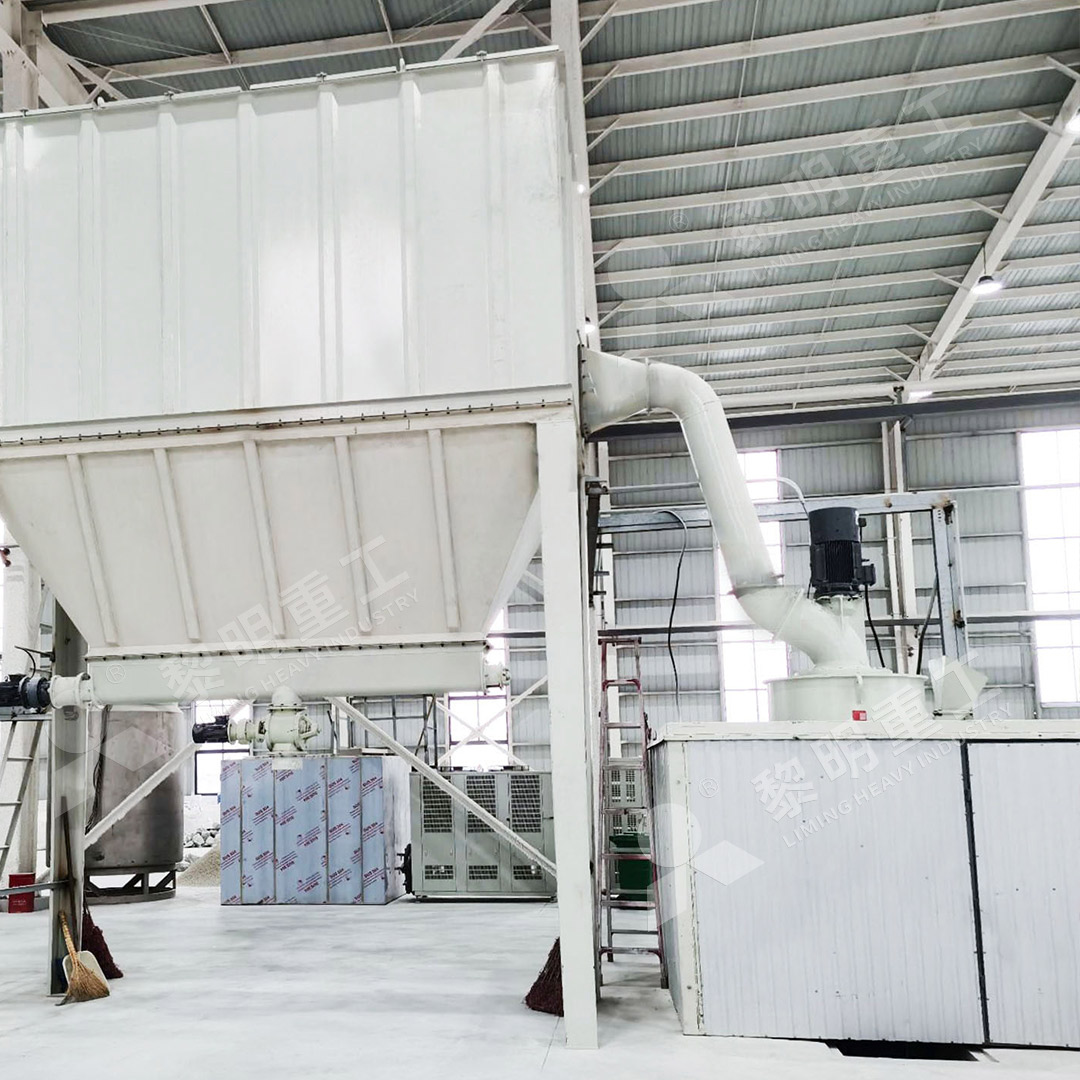
For operations seeking a robust vertical solution that integrates multiple processes, the LUM Ultrafine Vertical Grinding Mill is an excellent choice. Independently designed by LIMING, it integrates ultrafine powder grinding, grading, and transporting. A key advantage is its unique roller shell and lining plate grinding curve, which is easier to generate a material layer and achieve a high rate of finished products in a single pass. This design avoids problems like long lingering time and high iron content common in traditional mills. Furthermore, its multi-head powder separating technology and PLC control system enable precise parameter control, reducing energy consumption by 30%-50% compared to common grinding mills.
Conclusion
Optimizing ball mill efficiency is a continuous process that involves careful management of feed size, mill speed, media charge, and pulp density. However, for many applications, transitioning to more advanced grinding technologies can unlock substantial gains in productivity and energy savings. Evaluating the specific needs of your ore and final product specifications is the first step toward selecting the most efficient and cost-effective grinding solution.
Frequently Asked Questions (FAQ)
What is the single biggest energy consumer in a typical mineral processing plant?
Comminution, which includes crushing and grinding, is typically the largest energy consumer, often accounting for over 50% of a plant’s total energy usage. Improving grinding efficiency directly translates to significant cost savings.
How does the MW Ultrafine Grinding Mill handle dust and noise?
The MW Ultrafine Grinding Mill is equipped with an efficient pulse dust collector and a muffler system. This integrated approach effectively contains dust and reduces operational noise, ensuring the production process meets stringent environmental standards.
What is the main advantage of the LUM Mill’s reversible structure?
The reversible structure, combined with a hydraulic adjustment system, allows operators to easily and rapidly move the heavy grinding roller out of the mill body for inspection, maintenance, or replacement of wear parts. This design significantly reduces downtime and associated losses.
Can these advanced mills process materials other than metallic ores?
Absolutely. Both the MW and LUM mills are versatile and can process a wide range of non-metallic minerals, including limestone, calcite, dolomite, barite, and talc, making them suitable for industries like chemicals, paints, and cosmetics.