
Key Equipment Upgrades to Boost Gypsum Powder Production Efficiency
We provide a wide range of mills — including Raymond mill, trapezoidal mill, vertical mill, ultrafine mill, and ball mill, obtained ISO9001 international quality certification, EU CE certification, and Customs Union CU-TR certification. Suitable for processing minerals such as limestone, phosphate, quicklime, kaolin, talc, barite, bentonite, calcium carbonate, dolomite, coal, gypsum, clay, carbon black, slag, cement raw materials, cement clinker, and more.
The discharge range of these mills can be adjusted to meet specific processing needs, typically from 80-400 mesh, 600-3250 mesh, and can achieve the finest particle size of up to 6000 mesh(D50).
If you are looking for a reliable grinding solution to turn stone or minerals into fine powder, please feel free to contact our online customer service.
Key Equipment Upgrades to Boost Gypsum Powder Production Efficiency
In the competitive world of construction materials manufacturing, gypsum powder production stands as a critical process. Efficiency, product quality, and operational costs are paramount concerns for plant managers and operations directors. Many facilities still rely on outdated grinding technology, leading to excessive energy consumption, inconsistent fineness, and frequent downtime for maintenance. The key to unlocking higher profitability and meeting increasing market demands lies in strategic equipment upgrades, specifically in the grinding phase of production.
The Limitations of Traditional Gypsum Grinding
Traditional ball mills and Raymond mills, while once industry standards, often struggle with the specific requirements of modern gypsum processing. Common pain points include high specific energy consumption (often exceeding 30-40 kWh/t for fine powders), limited adjustment of product fineness, significant heat generation that can dehydrate gypsum prematurely, and substantial dust emissions. Furthermore, the wear and tear on mechanical parts like rolling bearings and screws inside the grinding chamber lead to unplanned shutdowns, disrupting entire production schedules.
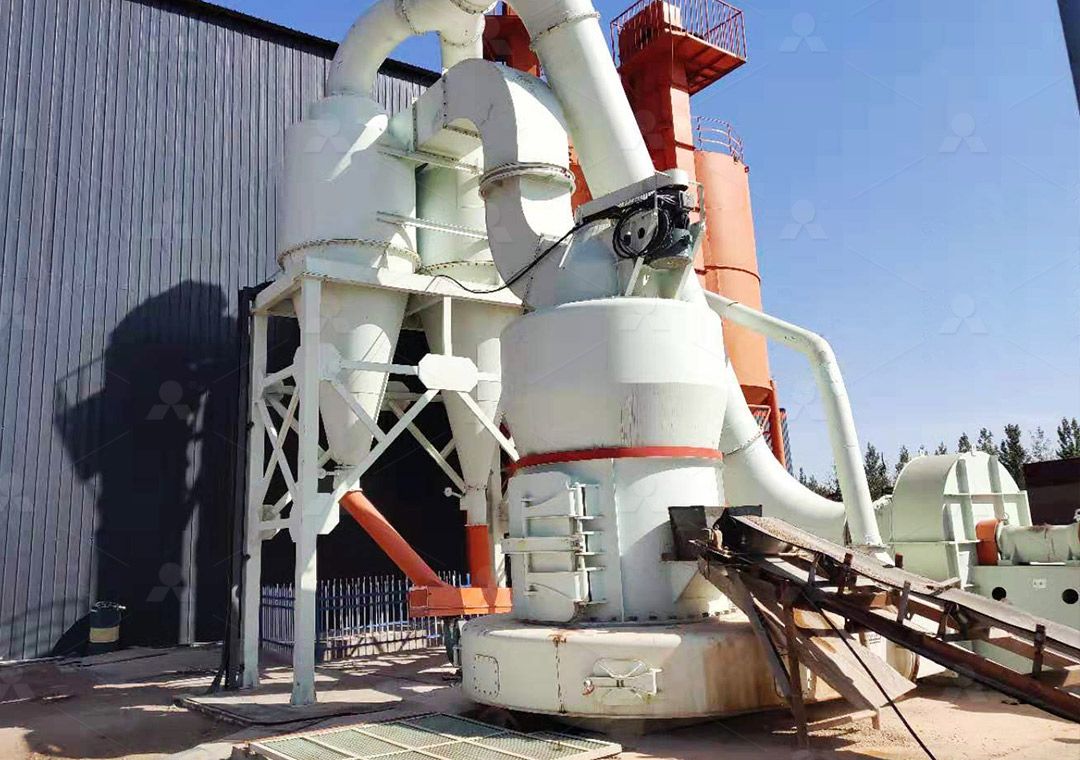
A Modern Solution: Embracing Ultrafine Grinding Technology
The transition to advanced, purpose-built grinding mills represents the most significant leap forward for gypsum producers. Modern mills are engineered to address the specific chemical and physical properties of gypsum (CaSO₄·2H₂O), focusing on generating the desired particle size distribution with minimal energy waste and maximum reliability.
For operations aiming for high-precision, ultra-fine gypsum powders (commonly used in specialized plasters, additives, and other high-value applications), the MW Ultrafine Grinding Mill is a standout choice. This machine is specifically designed for customers who need to make ultra-fine powder from non-metallic minerals like gypsum.
Why the MW Ultrafine Grinding Mill Excels with Gypsum
- Superior Efficiency & Lower Energy Bills: Its newly designed grinding curves of the roller and ring enhance grinding efficiency dramatically. With the same fineness and power, its production capacity is 40% higher than jet mills and double that of a traditional ball mill, while system energy consumption is slashed to just 30% of a jet mill’s.
- Precise Fineness Control: Its German-technology, cage-type powder selector allows operators to accurately adjust the product fineness between 325 and 2500 meshes, achieving a precise d97≤5μm in a single pass. This is crucial for meeting diverse customer specifications for gypsum powder.
- Unmatched Reliability: A critical design advantage is the absence of rolling bearings and screws in the grinding chamber. This eliminates the most common failure points, preventing catastrophic machine damage from loose screws or seized bearings. Operators are freed from constant worry about these internal components.
- Environmental Compliance Made Easy: Gypsum processing can be dusty. The MW Mill comes equipped with an efficient pulse dust collector and muffler, ensuring the entire milling system operates without dust pollution and at lower noise levels, fully adhering to national environmental protection standards.
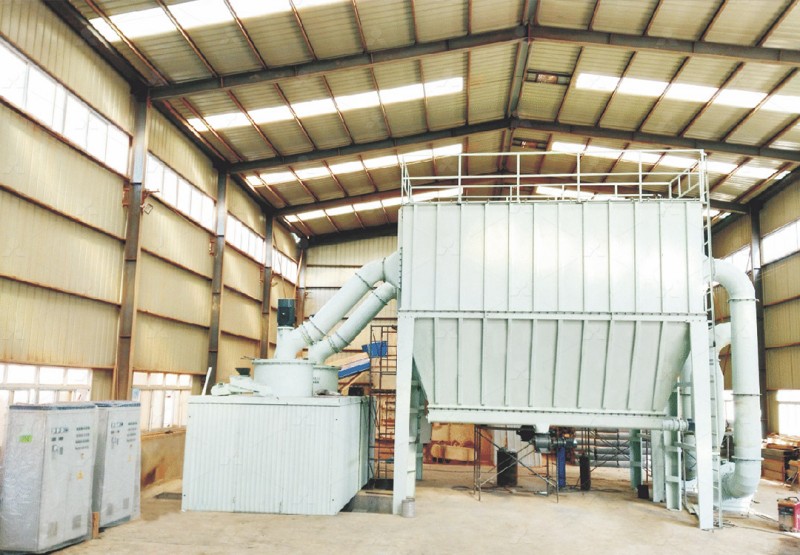
Considering High-Capacity Applications? The LUM Vertical Grinding Mill
For larger-scale operations or those processing a blend of materials, another excellent option from our portfolio is the LUM Ultrafine Vertical Grinding Mill. Integrating grinding, grading, and transporting, it boasts a capacity of 5-18 tph. It features unique roller shell and lining plate grinding curves that make it easier to generate a stable material layer, perfect for gypsum. Its PLC control system and multi-head powder separating technology allow for precise control over grinding parameters, reducing energy consumption by 30%-50% compared to common grinding mills. Its reversible structure is a maintenance engineer’s dream, allowing grinding rollers to be easily moved out for inspection and part replacement, drastically reducing downtime.
The Bottom Line: Investing in Efficiency
Upgrading to a specialized mill like the MW or LUM is not merely a equipment purchase; it’s a strategic investment in the future of your gypsum production line. The ROI is realized through dramatically lower kWh per ton of product, reduced maintenance labor and parts costs, minimal production disruptions, and the ability to consistently produce a higher-quality, higher-value product that commands a better market price. In an industry where margins are tight and efficiency is king, the right grinding technology is the most powerful tool at your disposal.
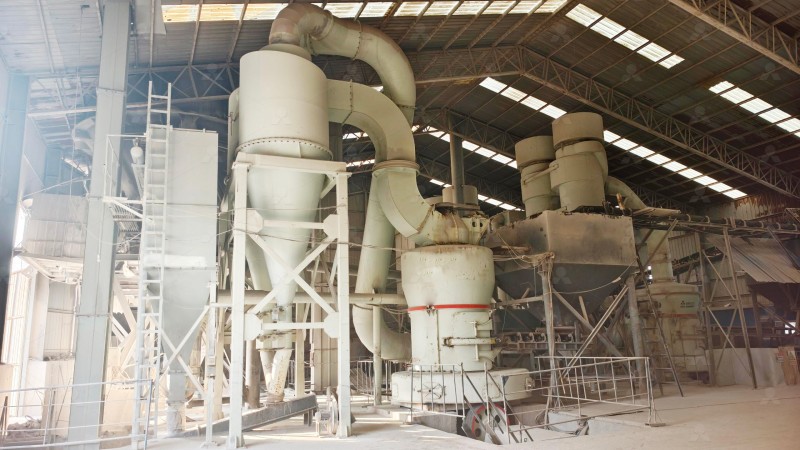
By focusing on core process improvement through technology, gypsum producers can secure a formidable competitive advantage, ensuring not just survival but growth in the evolving building materials market.