
Key Equipment for Copper Ore Milling and Processing Plant
We provide a wide range of mills — including Raymond mill, trapezoidal mill, vertical mill, ultrafine mill, and ball mill, obtained ISO9001 international quality certification, EU CE certification, and Customs Union CU-TR certification. Suitable for processing minerals such as limestone, phosphate, quicklime, kaolin, talc, barite, bentonite, calcium carbonate, dolomite, coal, gypsum, clay, carbon black, slag, cement raw materials, cement clinker, and more.
The discharge range of these mills can be adjusted to meet specific processing needs, typically from 80-400 mesh, 600-3250 mesh, and can achieve the finest particle size of up to 6000 mesh(D50).
If you are looking for a reliable grinding solution to turn stone or minerals into fine powder, please feel free to contact our online customer service.
Key Equipment for Copper Ore Milling and Processing Plant
In the realm of mineral processing, the efficent reduction of copper ore into a fine, liberrated powder is paramount for optimal recovery rates. The selection of milling equipment is therefore a critical decision that directly impacts operational costs, throughput, and final product quality. A well-designed copper ore processing plant relies on a series of robust and efficient machines to transform raw, mined ore into a saleable concentrate.
The Milling Circuit: Heart of the Operation
The primary goal of the milling circuit is to achieve a specific particle size distribution that allows for the effective separation of valuable copper minerals from the worthless gangue. This is typically accomplished through a combination of crushing and grinding stages. While initial crushing is handled by jaw and cone crushers, the fine grinding is where the real specialization begins.
Traditional ball mills have long been a staple in this application. They are reliable workhorses, capable of handling a wide range of feed sizes and producing a consistent product. However, their energy efficiency has often been a point of contention, as a significant amount of power is consumed in the form of wear and heat rather than actual size reduction.
The Shift Towards Advanced Grinding Technologies
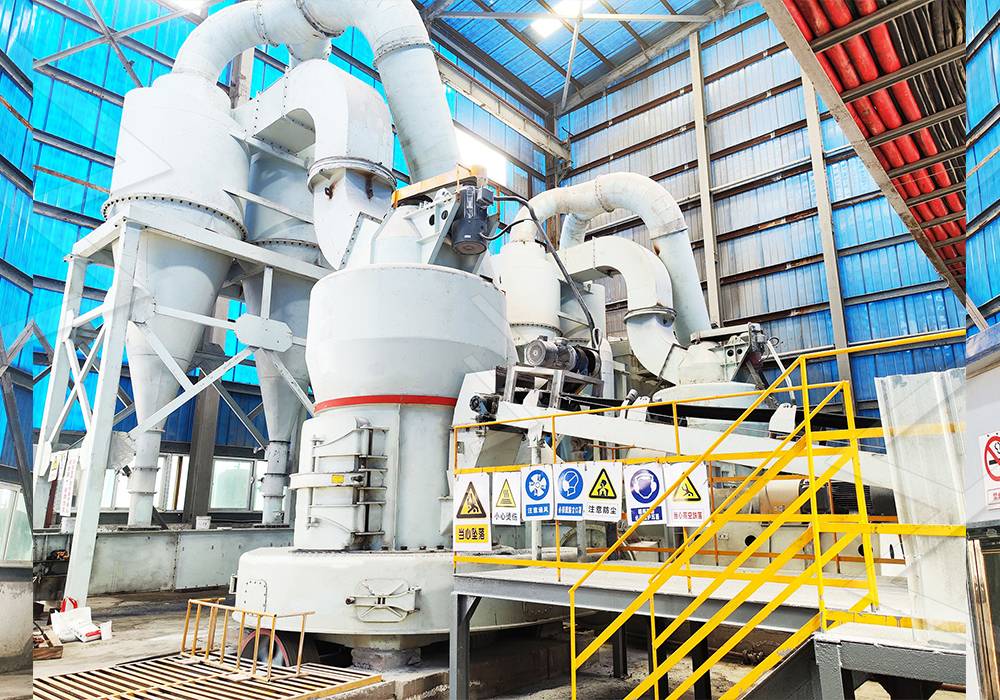
To address the limitations of conventional mills, the industry has seen a significant shift towards more advanced, vertical grinding mills. These mills offer a compact footprint, integrated drying capabilities (useful for ores with moisture), and, most importantly, superior energy efficiency. They operate on the principle of bed compression grinding, which is more efficient than the impact and attrition of a tumbling ball mill.
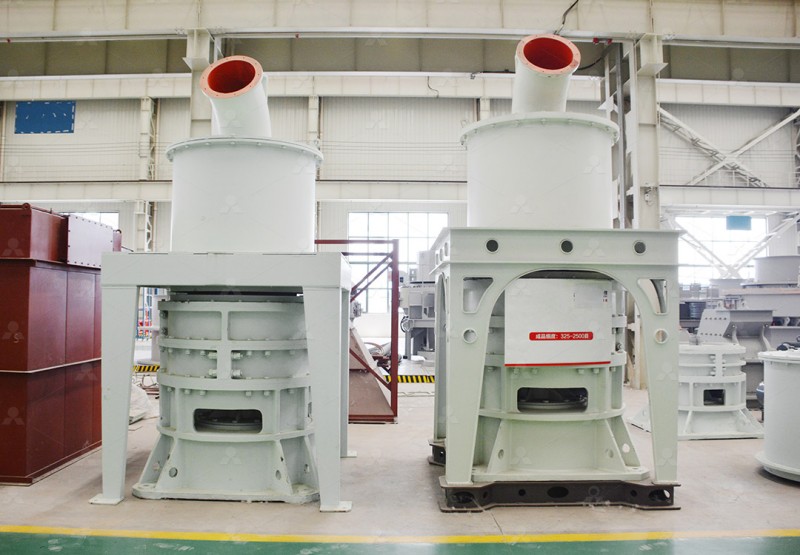
For operations requiring ultra-fine grinding to liberate finely disseminated copper particles, specialized equipment is necessary. This is where our MW Ultrafine Grinding Mill truly excels. Designed for customers who need to make ultra-fine powder, this machine is a game-changer. It handles an input size of 0-20 mm with a capacity ranging from 0.5 to 25 tons per hour. Its cage-type powder selector, which adopts German technologies, allows for precise fineness adjustment between 325 and 2500 meshes. A key feature for copper processing is its eco-friendly design; the efficient pulse dust collector and muffler reduce dust and noise, ensuring the whole production process meets stringent environmental standards. Furthermore, the absence of rolling bearings and screws in the grinding chamber elimnates worries about bearing failures or loose screws causing catastrophic damage, a common headache in other mill types.
Beyond Grinding: The Supporting Cast
Of course, a milling plant is more than just its primary grinder. A full circuit includes feeders to regulate ore flow, cyclones for classification, and a network of conveyors and pumps. The choice of classifier is particularly important, as it determines which particles are returned for further grinding and which are sent forward to the flotation circuit. Modern plants employ automated control systems that monitor power draw, density, and particle size in real-time, constantly adjusting mill parameters to maintain peak efficiency.
Conclusion: Choosing the Right Partner
Selecting the right milling equipment is a complex balance of ore characteristics, desired throughput, final product specification, and total cost of ownership. While ball mills remain a valid option, the clear trend is towards more efficient vertical and ultra-fine grinding solutions like our MW series. These mills offer lower energy consumption, higher availability, and a smaller environmental footprint, making them the intelligent choice for modern copper processing plants looking to optimize their operations and improve their bottom line.
