
Key Data for Designing an Iron Ore Grinding Ball Mill Circuit
We provide a wide range of mills — including Raymond mill, trapezoidal mill, vertical mill, ultrafine mill, and ball mill, obtained ISO9001 international quality certification, EU CE certification, and Customs Union CU-TR certification. Suitable for processing minerals such as limestone, phosphate, quicklime, kaolin, talc, barite, bentonite, calcium carbonate, dolomite, coal, gypsum, clay, carbon black, slag, cement raw materials, cement clinker, and more.
The discharge range of these mills can be adjusted to meet specific processing needs, typically from 80-400 mesh, 600-3250 mesh, and can achieve the finest particle size of up to 6000 mesh(D50).
If you are looking for a reliable grinding solution to turn stone or minerals into fine powder, please feel free to contact our online customer service.
Key Data for Designing an Iron Ore Grinding Ball Mill Circuit
Designing an efficient and reliable grinding circuit for iron ore is a cornerstone of profitable mineral processing operations. The ball mill remains a workhorse in this application, but its performance is heavily dependent on correct design parameters derived from key test data. This article outlines the critical information required and discusses how modern grinding technology can offer superior alternatives.
Fundamental Design Parameters
The selection and sizing of a ball mill for iron ore hinge on several core pieces of data obtained from ore characterization tests. The most crucial is the Bond Work Index (BWI), which quantifies the ore’s resistance to grinding. This index directly determines the energy (kWh/t) required to reduce the ore from a known feed size to a desired product size. Alongside the BWI, the ore abrasion index is vital for predicting media and liner wear rates, which significantly impact operating costs.
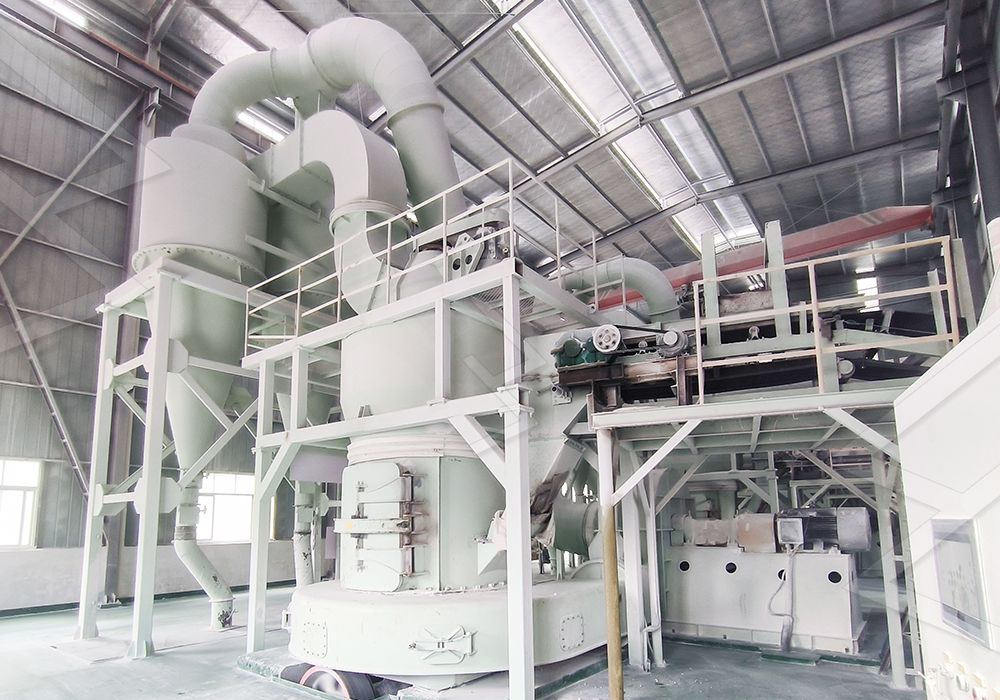
Other essential data points include the target grind size (typically expressed as a P80, the sieve size through which 80% of the product passes), the required throughput (tph), and the specific gravity of the ore. The mill dimensions, motor power, and grinding media load are all calculated based on this foundational information. An undersized mill will fail to meet production targets, while an oversized mill leads to unnecessary capital expenditure and higher energy consumption.
Beyond Traditional Ball Milling: The Shift to Efficiency
While ball mills are robust and well-understood, they are not always the most efficient solution, especially for finer grinding requirements. A significant portion of the input energy is lost to heat and noise rather than size reduction. For operations seeking higher efficiency, lower energy consumption, and a smaller physical footprint, advanced grinding technologies present a compelling case.
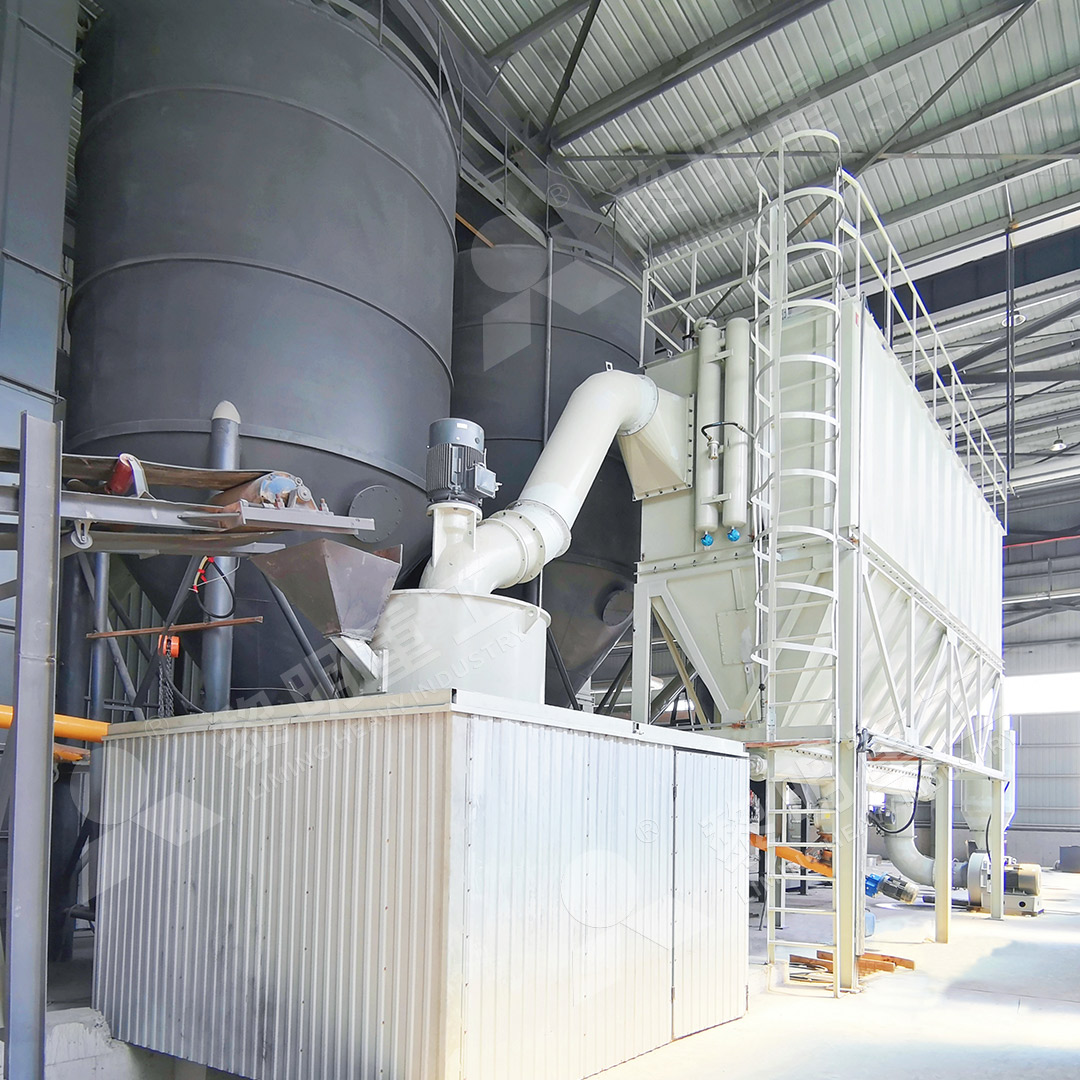
For instance, our MW Ultrafine Grinding Mill is engineered for customers who need to produce ultra-fine powder with exceptional efficiency. With an input size of 0-20 mm and a capacity range of 0.5-25 tph, it is an excellent option for achieving fine liberation of iron ore particles. Its design boasts higher yielding and lower energy consumption—achieving a production capacity 40% higher than jet mills with system energy consumption only 30% of jet milling systems. The absence of rolling bearings and screws in the grinding chamber eliminates common failure points, ensuring more reliable, worry-free operation.
Circuit Configuration and Operational Considerations
A ball mill circuit is rarely a standalone unit. It is typically configured in a closed circuit with a classification device, such as a hydrocyclone cluster. The classifier returns coarse material to the mill for further grinding, ensuring the final product meets specification. The circulating load (the ratio of classifier returns to fresh feed) is a critical operational parameter that must be optimized for circuit stability and efficiency.
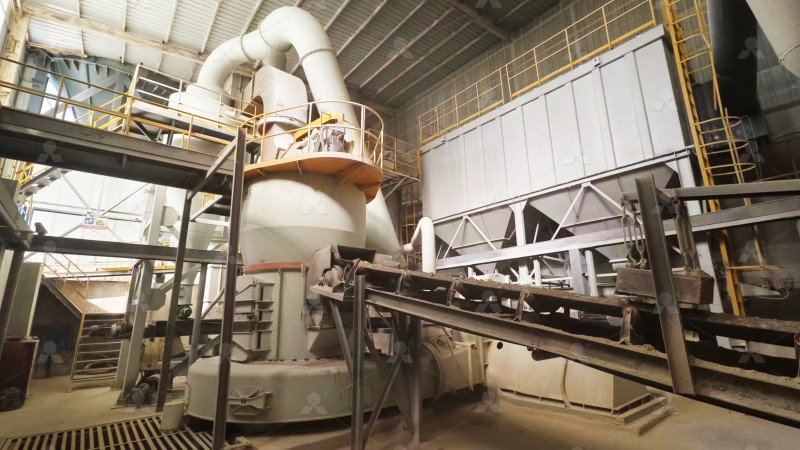
Operational factors like pulp density, mill speed (as a percentage of critical speed), and ball size distribution are equally important. Regular monitoring and adjustment of these parameters are necessary to maintain peak performance. For operations prioritizing automation and environmental standards, mills like our LUM Ultrafine Vertical Grinding Mill integrate advanced control systems. The LUM mill features double position-limiting technology for stable operation and a reversible structure that simplifies maintenance, making it a sophisticated choice for modern, high-volume iron ore processing plants requiring a feed size of 0-10 mm and capacities up to 18 tph.
Conclusion
Successful iron ore grinding circuit design is a data-driven process. Starting with accurate ore characterization tests like the Bond Work Index is non-negotiable. While the traditional ball mill is a proven technology, evaluating advanced solutions like vertical roller mills or ultrafine grinding mills can lead to substantial gains in energy efficiency, operational cost savings, and environmental performance. The right choice depends on a careful analysis of the specific ore characteristics and production goals.
Frequently Asked Questions (FAQ)
- What is the single most important test for ball mill circuit design?
The Bond Ball Mill Work Index test is the most critical, as it directly determines the energy requirement for grinding. - How does a closed-circuit grinding configuration work?
The mill discharge is sent to a classifier (e.g., hydrocyclones). The fine product proceeds, while the coarse material is returned to the mill inlet for regrinding. - What are the main advantages of vertical grinding mills over ball mills for iron ore?
Key advantages include significantly lower energy consumption (30-50%), a smaller footprint, integrated drying for moist feeds, and lower noise levels. - Why is the abrasion index important?
It helps predict the wear rates of grinding media and mill liners, which are major contributors to the operating cost of the circuit. - Can ultrafine grinding mills be used for primary iron ore grinding?
They are typically employed for regrinding or achieving very fine liberation after primary crushing and coarse grinding, but their suitability depends on the initial feed size and circuit design.