
Key Considerations for Foundation Design in Heavy Precision Roll Grinder Installations
We provide a wide range of mills — including Raymond mill, trapezoidal mill, vertical mill, ultrafine mill, and ball mill, obtained ISO9001 international quality certification, EU CE certification, and Customs Union CU-TR certification. Suitable for processing minerals such as limestone, phosphate, quicklime, kaolin, talc, barite, bentonite, calcium carbonate, dolomite, coal, gypsum, clay, carbon black, slag, cement raw materials, cement clinker, and more.
The discharge range of these mills can be adjusted to meet specific processing needs, typically from 80-400 mesh, 600-3250 mesh, and can achieve the finest particle size of up to 6000 mesh(D50).
If you are looking for a reliable grinding solution to turn stone or minerals into fine powder, please feel free to contact our online customer service.
Key Considerations for Foundation Design in Heavy Precision Roll Grinder Installations
When installing heavy precision roll grinders, the foundation design plays a critical role in ensuring operational stability, longevity, and performance. Poor foundation design can lead to excessive vibrations, misalignment, and premature wear of critical components. Below are key factors to consider during foundation planning and execution.
1. Load-Bearing Capacity and Soil Analysis
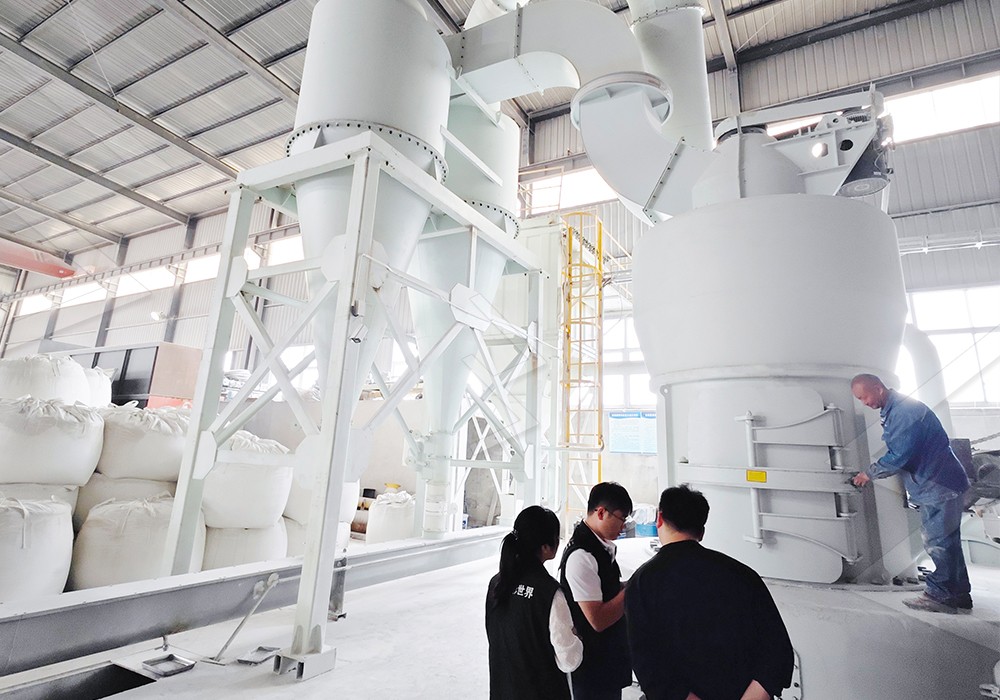
The foundation must support the static and dynamic loads of the roll grinder. A thorough geotechnical survey is essential to determine soil bearing capacity, settlement characteristics, and groundwater conditions. Weak or unstable soil may require deep foundations or soil stabilization techniques.
2. Vibration Damping and Isolation
Precision roll grinders generate significant vibrations during operation. The foundation should incorporate vibration-damping materials or isolation pads to minimize transmission to surrounding structures. Reinforced concrete with embedded damping layers is often recommended.
3. Thermal and Moisture Stability
Temperature fluctuations and moisture ingress can cause foundation cracks or shifts. Use low-permeability concrete mixes and consider thermal expansion joints. Proper drainage systems around the foundation are also critical.
4. Alignment and Leveling
The foundation must provide a perfectly level base for the grinder. Laser leveling and epoxy grouting techniques ensure precise alignment. For high-precision applications like our MW Ultrafine Grinding Mill (input size: 0-20 mm, capacity: 0.5-25 tph), even minor misalignments can affect product fineness (adjustable between 325-2500 meshes).
5. Integration with Auxiliary Systems
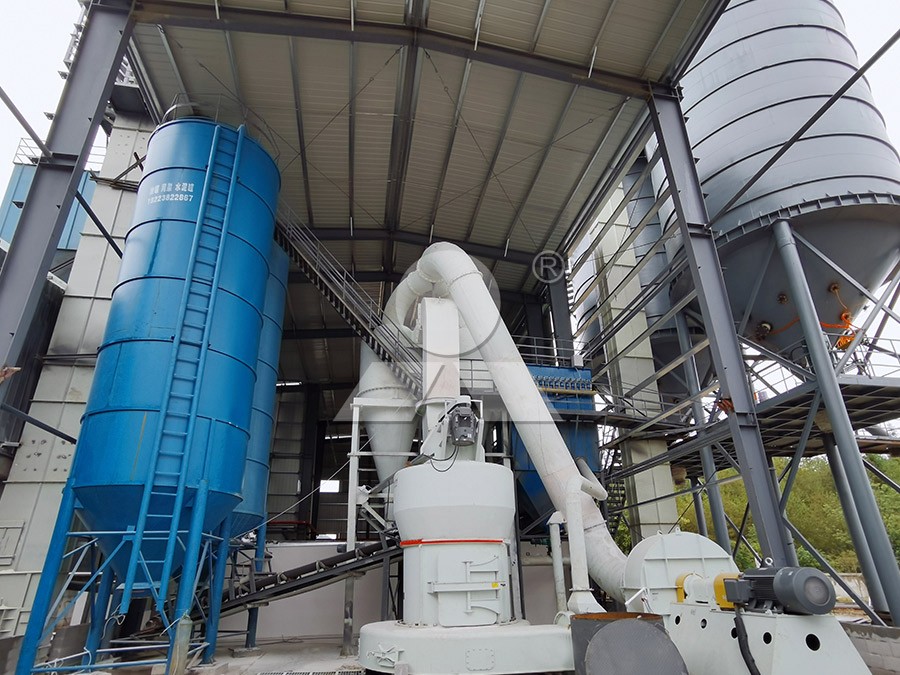
Foundations should accommodate piping, electrical conduits, and dust collection systems. For example, the LUM Ultrafine Vertical Grinding Mill (input size: 0-10 mm, capacity: 5-18 tph) requires seamless integration with its PLC-controlled powder separator and hydraulic systems.
6. Future Maintenance Access
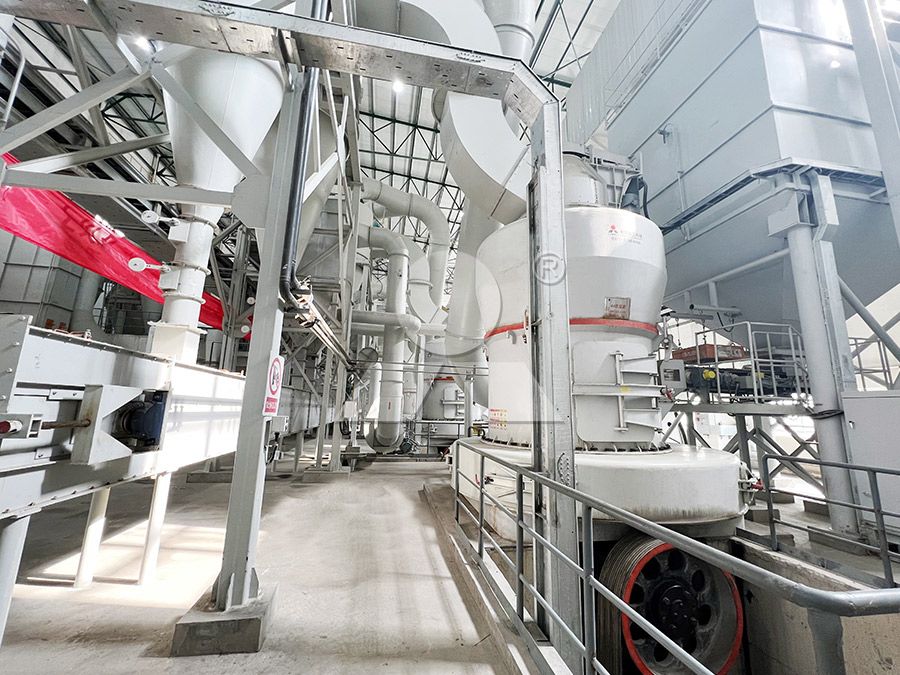
Design provisions for jacking points, anchor bolt access, and component removal simplify maintenance. The reversible structure of the LUM mill exemplifies this principle, allowing rollers to be easily serviced.
Conclusion
A robust foundation is the backbone of any heavy roll grinder installation. By addressing these factors early, operators can maximize equipment lifespan and maintain consistent product quality. LIMING’s grinding mills, such as the MW and LUM series, are engineered for performance but demand equally precise installation practices.