
Key Considerations for Designing a Large-Scale Limestone Powder Production Line
We provide a wide range of mills — including Raymond mill, trapezoidal mill, vertical mill, ultrafine mill, and ball mill, obtained ISO9001 international quality certification, EU CE certification, and Customs Union CU-TR certification. Suitable for processing minerals such as limestone, phosphate, quicklime, kaolin, talc, barite, bentonite, calcium carbonate, dolomite, coal, gypsum, clay, carbon black, slag, cement raw materials, cement clinker, and more.
The discharge range of these mills can be adjusted to meet specific processing needs, typically from 80-400 mesh, 600-3250 mesh, and can achieve the finest particle size of up to 6000 mesh(D50).
If you are looking for a reliable grinding solution to turn stone or minerals into fine powder, please feel free to contact our online customer service.
Key Considerations for Designing a Large-Scale Limestone Powder Production Line
Designing an efficient limestone powder production facility requires careful analysis of multiple technical and operational factors. The success of such projects depends not only on selecting appropriate equipment but also on understanding the entire production ecosystem.
When planning a large-scale operation, production capacity stands as the primary consideration. The system must be designed to handle peak demands while maintaining operational flexibility for varying output requirements. Equally important is the target fineness of the final product, which directly influences equipment selection and process flow design.
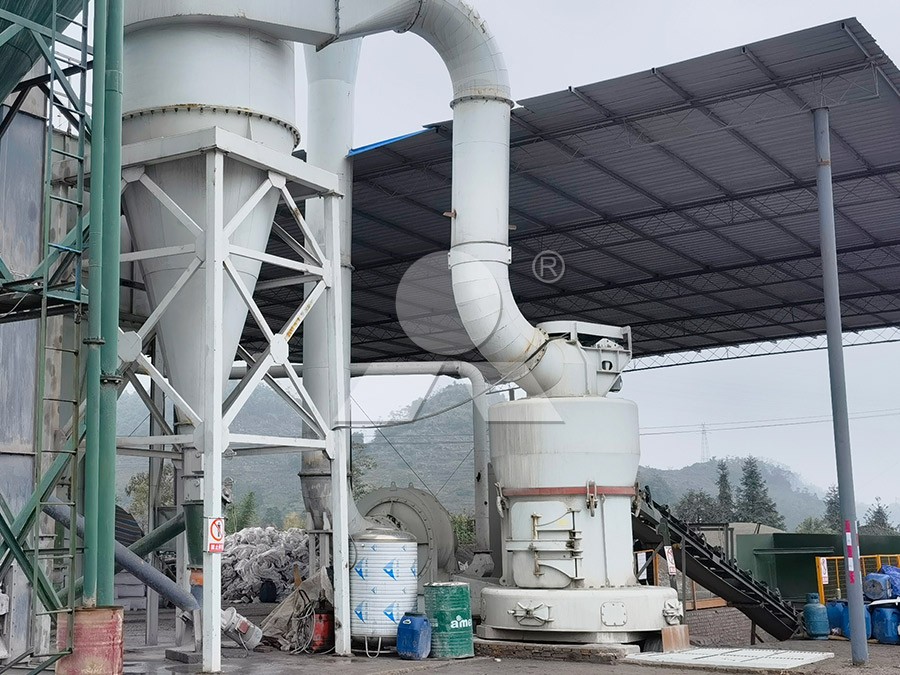
Equipment Selection: The Heart of Your Operation
The grinding mill represents the core of any limestone powder production system. For operations requiring ultra-fine powder with fineness between 325-2500 meshes, the MW Ultrafine Grinding Mill offers distinct advantages. With an input size capacity of 0-20 mm and production rates ranging from 0.5 to 25 tph, this equipment provides exceptional flexibility for various production scenarios.
What makes the MW Ultrafine Grinding Mill particularly suitable for large-scale operations is its innovative design that eliminates rolling bearings and screws within the grinding chamber. This significantly reduces maintenance concerns and potential downtime. The integrated pulse dust collector and muffler system ensures environmental compliance while maintaining optimal working conditions.
Energy Efficiency and Operational Costs
Modern grinding technology has made significant strides in reducing energy consumption while increasing output. Compared to traditional grinding systems, advanced mills can achieve energy savings of 30-50%, which translates to substantial operational cost reductions over the equipment’s lifespan.
The MW Ultrafine Grinding Mill exemplifies this efficiency, delivering 40% higher production capacity than jet grinding mills and double the output of ball grinding mills at the same power consumption level. This efficiency becomes increasingly important as energy costs continue to rise globally.
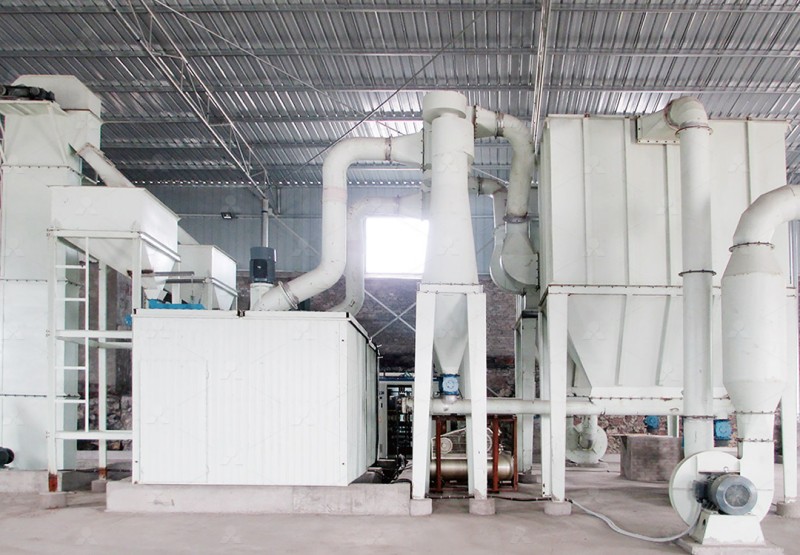
Environmental Compliance and Sustainability
Modern production facilities must address environmental concerns proactively. Dust control, noise reduction, and overall environmental impact should be integral to the design process rather than afterthoughts. Equipment with built-in environmental protection features not only ensures regulatory compliance but also demonstrates corporate responsibility.
The pulse dust collection system in advanced grinding mills effectively contains particulate matter, while noise reduction technologies maintain workplace safety standards. These features are particularly crucial for facilities located near residential areas or in regions with strict environmental regulations.
Process Flow Optimization
A well-designed production line considers the entire process from raw material intake to final product packaging. The system should incorporate efficient material handling, proper storage solutions, and quality control checkpoints. For operations requiring additional flexibility, the LUM Ultrafine Vertical Grinding Mill presents another excellent option, especially when dealing with slightly smaller input materials (0-10 mm) and requiring production capacities between 5-18 tph.
The reversible structure of the LUM mill facilitates easier maintenance access, while its multi-head powder separating technology allows precise control over product fineness. This becomes particularly valuable when producing multiple product grades from the same production line.
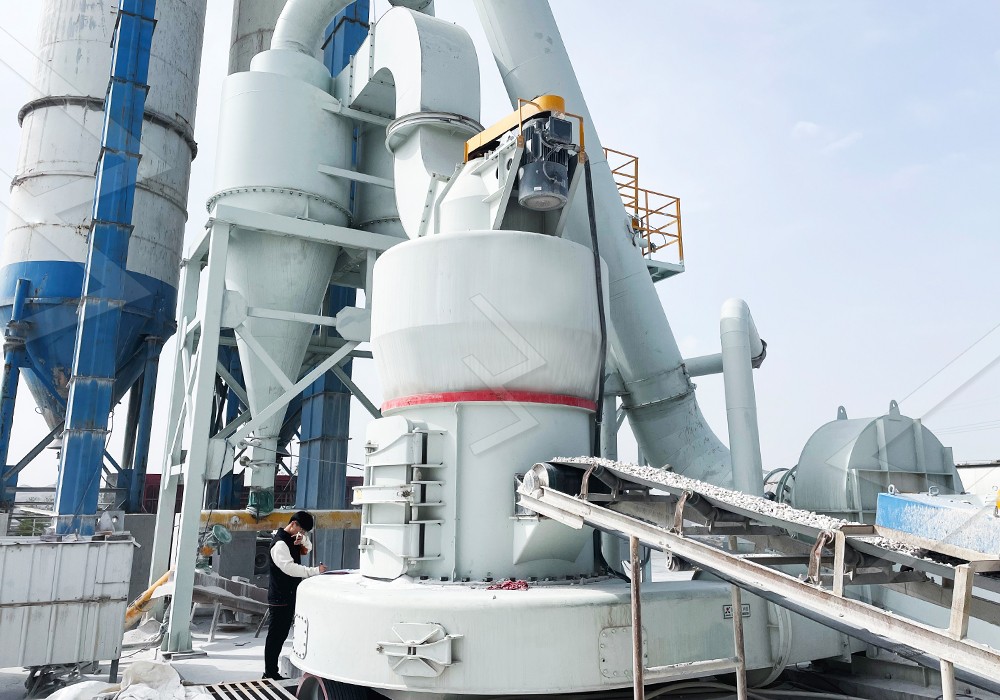
Maintenance and Long-Term Reliability
Equipment reliability directly impacts production continuity and profitability. Design considerations should include ease of maintenance, availability of spare parts, and technical support. Systems with external lubrication capabilities, like the MW Ultrafine Grinding Mill, enable maintenance without production stoppages, supporting continuous 24-hour operations.
Digital monitoring systems and precision manufacturing further enhance reliability by ensuring consistent performance and early detection of potential issues before they escalate into major problems.
Frequently Asked Questions
What is the typical energy consumption for a large-scale limestone powder production line?
Energy consumption varies based on production scale and target fineness, but modern systems like the MW Ultrafine Grinding Mill typically consume 30-50% less energy than conventional grinding mills while achieving higher output.
How important is particle size distribution in limestone powder production?
Particle size distribution is critical as it directly affects product performance in various applications. Advanced grinding mills with precision separation technology can consistently produce powders with narrow size distributions meeting specific customer requirements.
What environmental considerations are most important in plant design?
Dust control, noise management, and energy efficiency are paramount. Modern equipment incorporates pulse dust collectors, noise reduction chambers, and energy-efficient designs to address these concerns while maintaining production efficiency.
How does equipment selection impact maintenance requirements?
Equipment with simplified mechanical designs, external lubrication systems, and easy-access maintenance points significantly reduces downtime. Features like the MW Ultrafine Grinding Mill’s bearing-free grinding chamber eliminate common failure points and associated maintenance.
What production flexibility can we expect from modern grinding systems?
Advanced systems offer adjustable fineness (typically 325-2500 meshes), quick product changeover capabilities, and the ability to handle varying feed materials while maintaining consistent product quality.