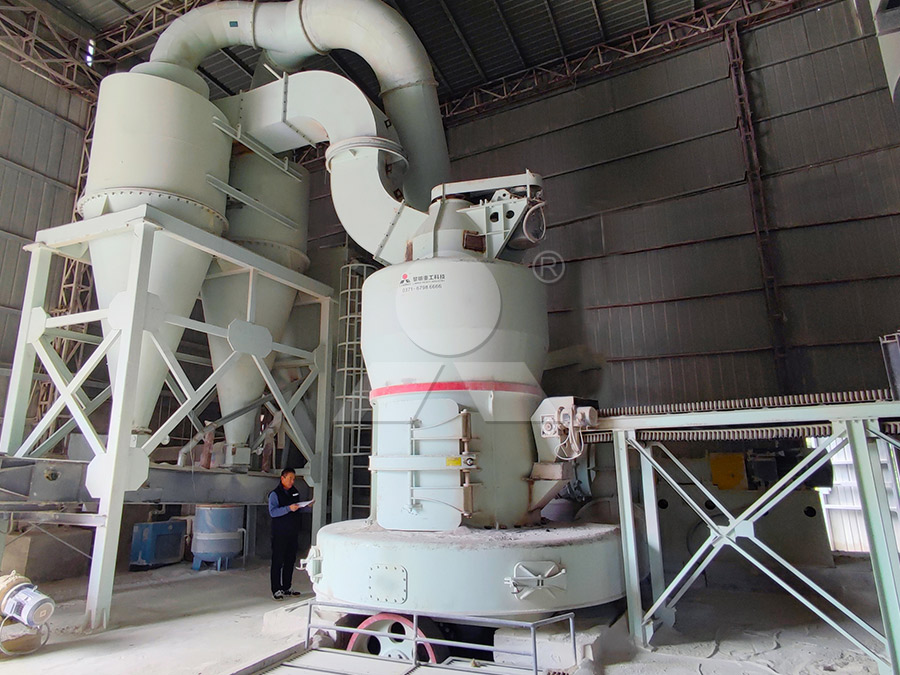
Key Components and Design Principles in the Construction of Domestic Grinding Milling Machines
We provide a wide range of mills — including Raymond mill, trapezoidal mill, vertical mill, ultrafine mill, and ball mill, obtained ISO9001 international quality certification, EU CE certification, and Customs Union CU-TR certification. Suitable for processing minerals such as limestone, phosphate, quicklime, kaolin, talc, barite, bentonite, calcium carbonate, dolomite, coal, gypsum, clay, carbon black, slag, cement raw materials, cement clinker, and more.
The discharge range of these mills can be adjusted to meet specific processing needs, typically from 80-400 mesh, 600-3250 mesh, and can achieve the finest particle size of up to 6000 mesh(D50).
If you are looking for a reliable grinding solution to turn stone or minerals into fine powder, please feel free to contact our online customer service.
Introduction
Grinding milling machines are indispensable in industries ranging from mining to pharmaceuticals, where precise particle size reduction is critical. The design and construction of these machines involve meticulous engineering to balance efficiency, durability, and environmental compliance. This article explores the core components and design principles behind high-performance grinding mills, with a focus on innovative solutions like our MW Ultrafine Grinding Mill and LUM Ultrafine Vertical Grinding Mill.
Core Components of Grinding Mills
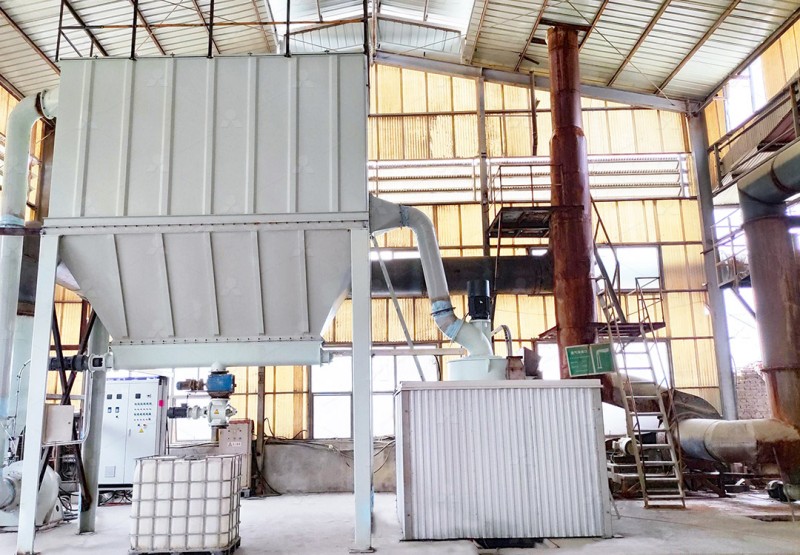
1. Grinding Chamber: The heart of the machine, where materials are pulverized. Our MW Ultrafine Grinding Mill eliminates rolling bearings and screws in this zone, preventing mechanical failures and enabling 24/7 operation.
2. Powder Separator: Advanced cage-type selectors (e.g., German technology in MW series) ensure precision separation with adjustable fineness (325–2500 meshes).
3. Dust Collection System: Integrated pulse dust collectors (standard in MW and LUM models) minimize pollution, aligning with global environmental standards.
4. Drive Mechanism: High-torque motors and reducers power grinding rollers, optimized for energy efficiency (30–50% lower consumption in LUM mills).
Design Principles for Optimal Performance
1. Energy Efficiency: Modern mills like the LUM Ultrafine Vertical Grinding Mill leverage multi-head powder separating technology and PLC controls to reduce energy use by 30–50% versus traditional ball mills.
2. Material Flow Optimization: Curved grinding rollers and turnplates (featured in MW series) enhance centrifugal force, increasing throughput by 40%.
3. Maintenance Accessibility: Reversible structures (e.g., LUM’s hydraulic roller system) simplify part replacement, cutting downtime by 60%.
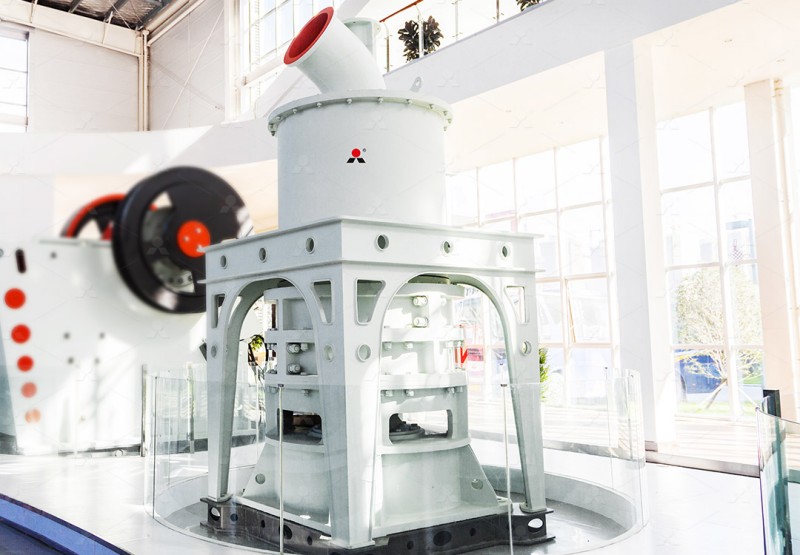
Case Study: MW Ultrafine Grinding Mill
With an input size of 0–20 mm and capacity up to 25 tph, the MW Ultrafine Grinding Mill excels in producing ultra-fine powders for cosmetics, pharmaceuticals, and chemicals. Key features include:
- No Rolling Bearings: Eliminates lubrication failures.
- Eco-Friendly Operation: Pulse dust collectors and noise-reducing mufflers.
- Digital Precision: CNC-machined components ensure consistency.
Conclusion
Innovations in grinding mill design—exemplified by LIMING’s MW and LUM series—prioritize sustainability, efficiency, and user-friendliness. By integrating advanced separators, robust construction, and smart controls, these machines set benchmarks in particle size reduction technology.