
Key Components and CAD Drawing for Vertical Coal Roller Mill Design
We provide a wide range of mills — including Raymond mill, trapezoidal mill, vertical mill, ultrafine mill, and ball mill, obtained ISO9001 international quality certification, EU CE certification, and Customs Union CU-TR certification. Suitable for processing minerals such as limestone, phosphate, quicklime, kaolin, talc, barite, bentonite, calcium carbonate, dolomite, coal, gypsum, clay, carbon black, slag, cement raw materials, cement clinker, and more.
The discharge range of these mills can be adjusted to meet specific processing needs, typically from 80-400 mesh, 600-3250 mesh, and can achieve the finest particle size of up to 6000 mesh(D50).
If you are looking for a reliable grinding solution to turn stone or minerals into fine powder, please feel free to contact our online customer service.
Key Components and CAD Drawing for Vertical Coal Roller Mill Design
Designing an efficient vertical coal roller mill requires a deep understanding of its core components and their precise interaction. This article delves into the critical engineering aspects, from the grinding mechanism to system integration, providing a professional overview for engineers and plant managers.
Core Mechanical Components
The heart of any vertical roller mill is its grinding assembly. This consists of a rotating grinding table and two or more hydraulically loaded grinding rollers. The rollers, equipped with wear-resistant shells, apply compressive force to the coal bed on the table. The design of the roller profile and the table liner is paramount; a precisely engineered curve ensures optimal material bed formation and grinding efficiency, minimizing energy consumption while maximizing throughput.
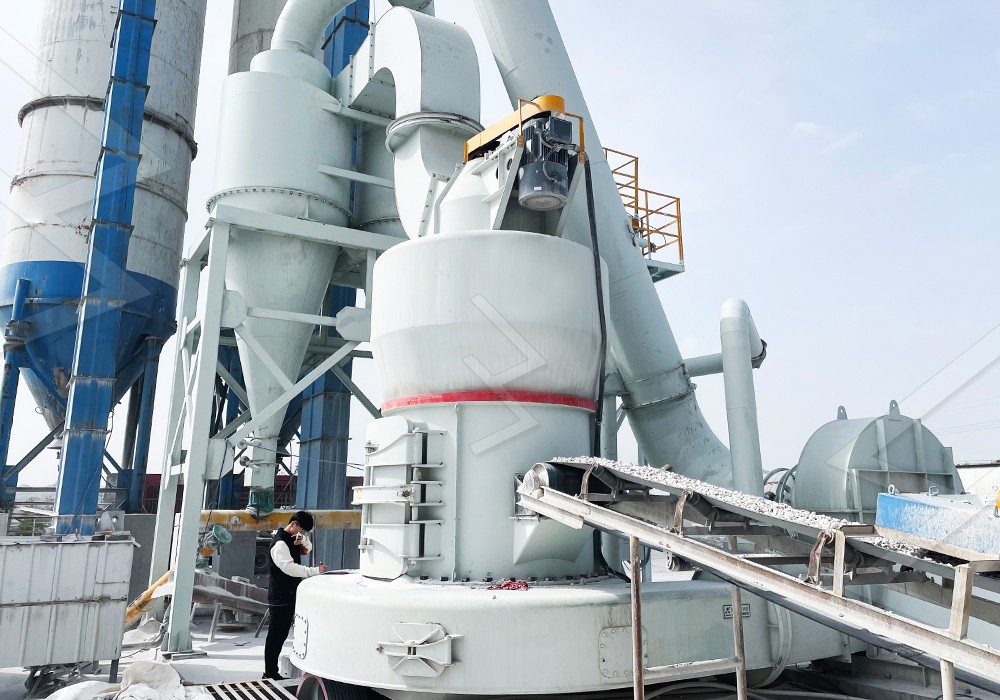
The gearbox and drive system form another critical subsystem. They must transmit high torque to the grinding table reliably. Modern designs often feature planetary gearboxes for their compact size and high power density. The mill’s classifier, located above the grinding zone, is responsible for separating fine, product-quality particles from coarse ones that require further grinding. Advanced designs utilize cage-type or rotor-type classifiers with adjustable speeds to control final product fineness accurately.
System Integration and Auxiliary Equipment
A vertical coal mill is more than just a grinder; it’s an integrated system. The hot gas generator is essential for drying high-moisture coal, ensuring smooth operation and preventing clogging. The mill’s housing must be robust enough to contain the grinding process while incorporating inspection doors and maintenance points. A well-designed sealing system at the roller shafts is crucial to prevent ingress of fine coal dust into the bearing assemblies, which is a common failure point.
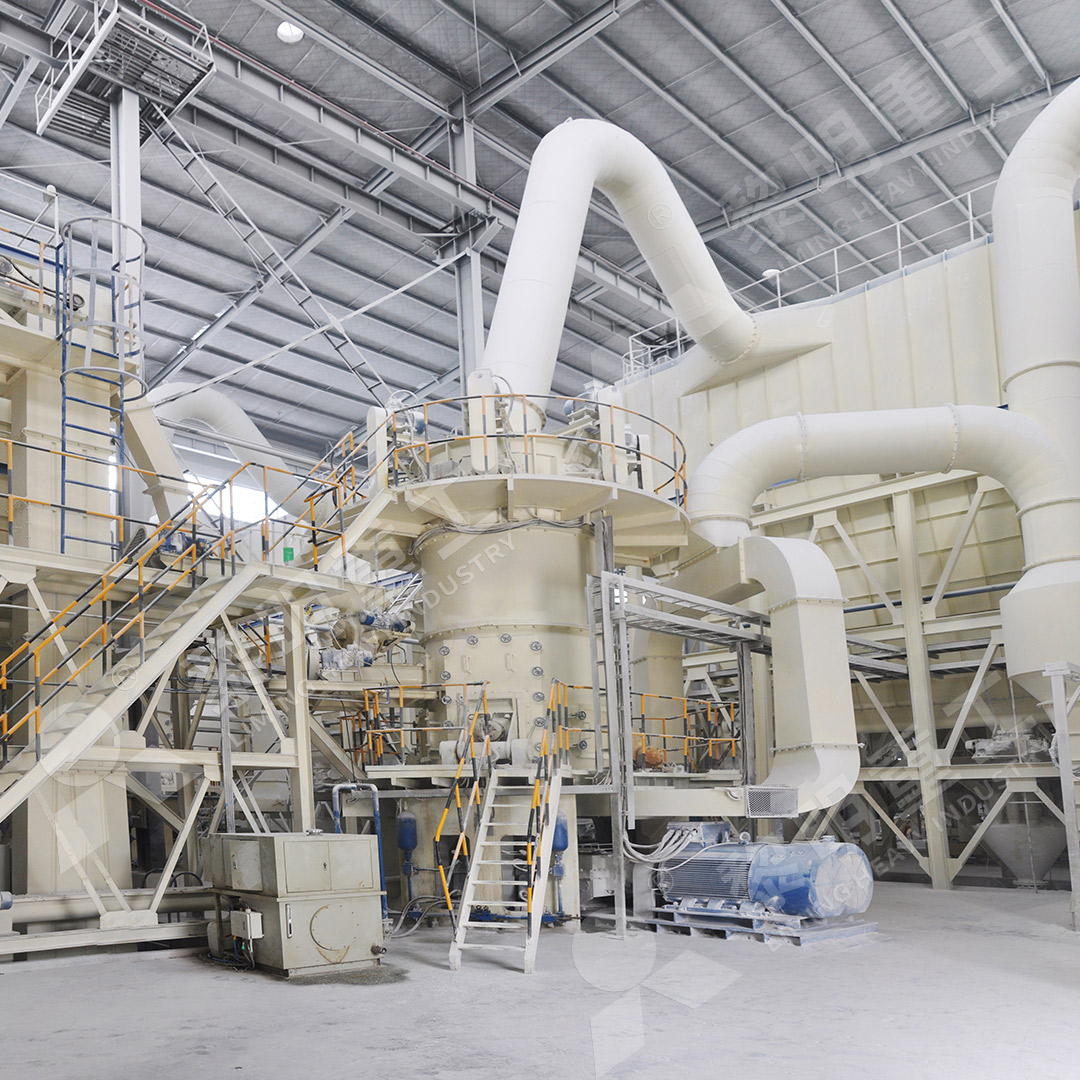
For operations requiring ultra-fine coal powder with superior efficiency, the MW Ultrafine Grinding Mill presents an excellent solution. This machine is engineered for customers who need to make ultra-fine powder up to 2500 meshes. A key design advantage is the absence of rolling bearings and screws inside the grinding chamber, eliminating concerns about bearing damage or machine failure from loose components. With an input size of 0-20 mm and a capacity range of 0.5-25 tph, it is equipped with an efficient pulse dust collector and muffler, making the entire production process environmentally friendly with minimal dust and noise.
The Role of CAD in Mill Design and Optimization
Computer-Aided Design (CAD) is indispensable in modern mill engineering. It allows for precise 3D modeling of every component, facilitating interference checks and assembly simulation before manufacturing. Finite Element Analysis (FEA) can be performed on critical parts like the grinding table, rollers, and main shaft to predict stress points and optimize material use. Computational Fluid Dynamics (CFD) models the complex air and material flow within the mill, helping to optimize the classifier efficiency and internal airflow patterns for lower pressure drop and energy use.
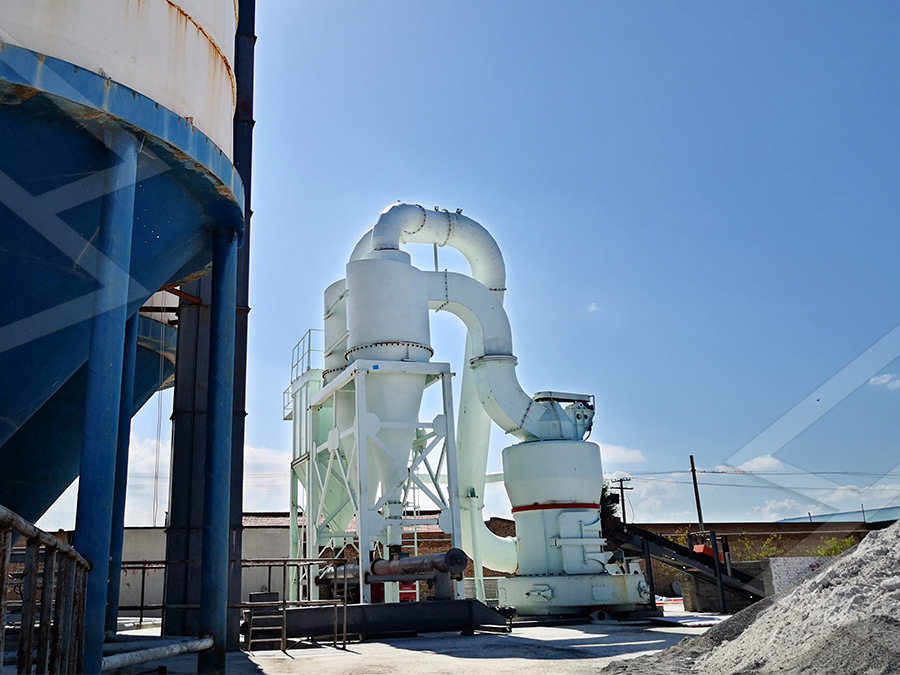
Another standout product for precision grinding is the LUM Ultrafine Vertical Grinding Mill. Independently designed with the latest grinding roller and German powder separating technology, it integrates grinding, grading, and transporting into a single, highly efficient unit. Its unique features include double position-limiting technology for stable operation and a reversible structure that allows the grinding roller to be easily moved out of the body for maintenance, significantly reducing downtime. It handles an input size of 0-10 mm with a capacity of 5-18 tph.
Frequently Asked Questions (FAQ)
What is the primary advantage of a vertical roller mill over a ball mill for coal grinding?
Vertical roller mills offer significantly higher energy efficiency, often reducing power consumption by 30-40%. They also integrate drying, grinding, and classification in a single unit, resulting in a more compact footprint and lower overall investment costs.
How is product fineness controlled in a vertical coal mill?
Fineness is primarily controlled by adjusting the speed of the dynamic classifier located at the top of the mill. A higher classifier speed allows only finer particles to pass, resulting in a finer product.
What are the key wear parts in a vertical coal mill?
The main wear parts are the grinding roller tires (or shells) and the grinding table liners. These are typically made from highly wear-resistant materials like high-chromium cast iron or composite ceramics to extend service life.
Can vertical roller mills handle wet coal?
Yes, one of their key advantages is the ability to dry and grind simultaneously. Hot gases (typically from a kiln exhaust or a dedicated hot gas generator) are introduced into the mill to evaporate moisture from the coal during the grinding process.