
Kaolin Processing Plant for Rubber Filler Production
We provide a wide range of mills — including Raymond mill, trapezoidal mill, vertical mill, ultrafine mill, and ball mill, obtained ISO9001 international quality certification, EU CE certification, and Customs Union CU-TR certification. Suitable for processing minerals such as limestone, phosphate, quicklime, kaolin, talc, barite, bentonite, calcium carbonate, dolomite, coal, gypsum, clay, carbon black, slag, cement raw materials, cement clinker, and more.
The discharge range of these mills can be adjusted to meet specific processing needs, typically from 80-400 mesh, 600-3250 mesh, and can achieve the finest particle size of up to 6000 mesh(D50).
If you are looking for a reliable grinding solution to turn stone or minerals into fine powder, please feel free to contact our online customer service.
Kaolin Processing Plant for Rubber Filler Production
In the rubber industry, the quest for high-quality fillers that enhance product performance while reducing costs is never-ending. Kaolin, a naturally occurring clay mineral, has emerged as a premier functional filler, particularly in rubber applications. Its plate-like structure improves mechanical properties like tensile strength and tear resistance, while also enhancing processability. However, the true value of kaolin is unlocked only through precise processing to achieve the optimal particle size distribution and purity required for rubber compounding.
The Critical Role of Grinding in Kaolin Valorization
Raw kaolin straight from the mine is unsuitable for direct use in rubber formulations. It requires extensive processing to remove impurities and, most importantly, to reduce its particle size to the micron and sub-micron level. The fineness of the grind directly correlates with the reinforcement capability of the kaolin filler. Coarse particles can act as failure points within the rubber matrix, while ultra-fine particles provide a much larger surface area for interaction with the polymer chains, leading to superior reinforcement and a smoother finish on extruded rubber products.
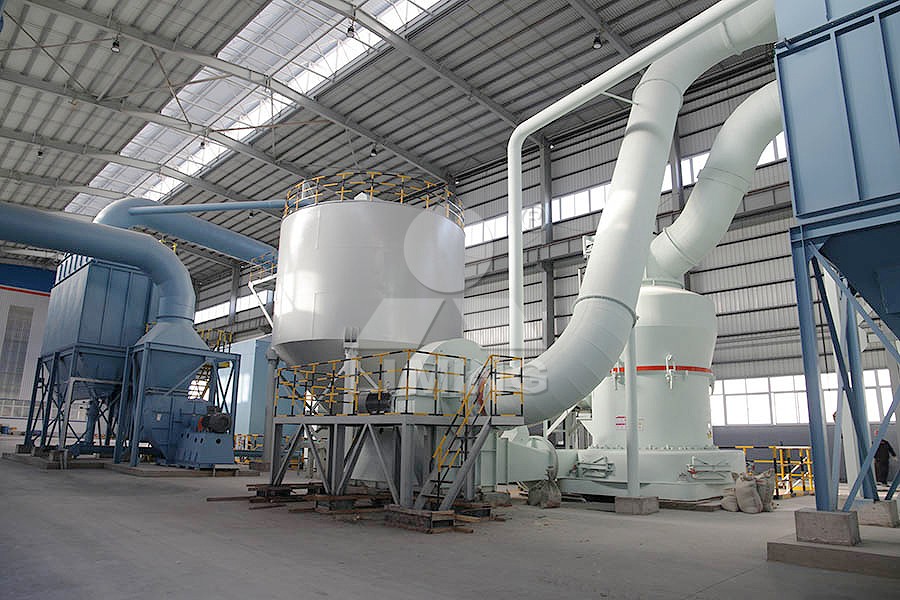
Traditional grinding systems often struggle with the abrasive nature of kaolin, leading to high maintenance costs, iron contamination from worn parts, and inconsistent particle size distribution. These inconsistencies can wreak havoc on rubber compound consistency, affecting everything from vulcanization rates to the final physical properties of the product. Therefore, selecting the right milling technology is not just an operational decision; it’s a strategic one that impacts product quality and bottom line.
Recommended Solution: MW Ultrafine Grinding Mill
For operations focused on producing the highest quality kaolin filler, we highly recommend our MW Ultrafine Grinding Mill. This machine is engineered specifically for customers who need to make ultra-fine powder with exceptional precision and reliability.
The MW Mill is a game-changer for kaolin processing. With an input size of 0-20 mm and a capacity range of 0.5-25 tph, it offers remarkable flexibility for various production scales. Its cage-type powder selector, which incorporates German technology, allows for precise fineness adjustment between 325-2500 meshes, ensuring you can consistently hit the exact particle size specification demanded by your rubber clients.
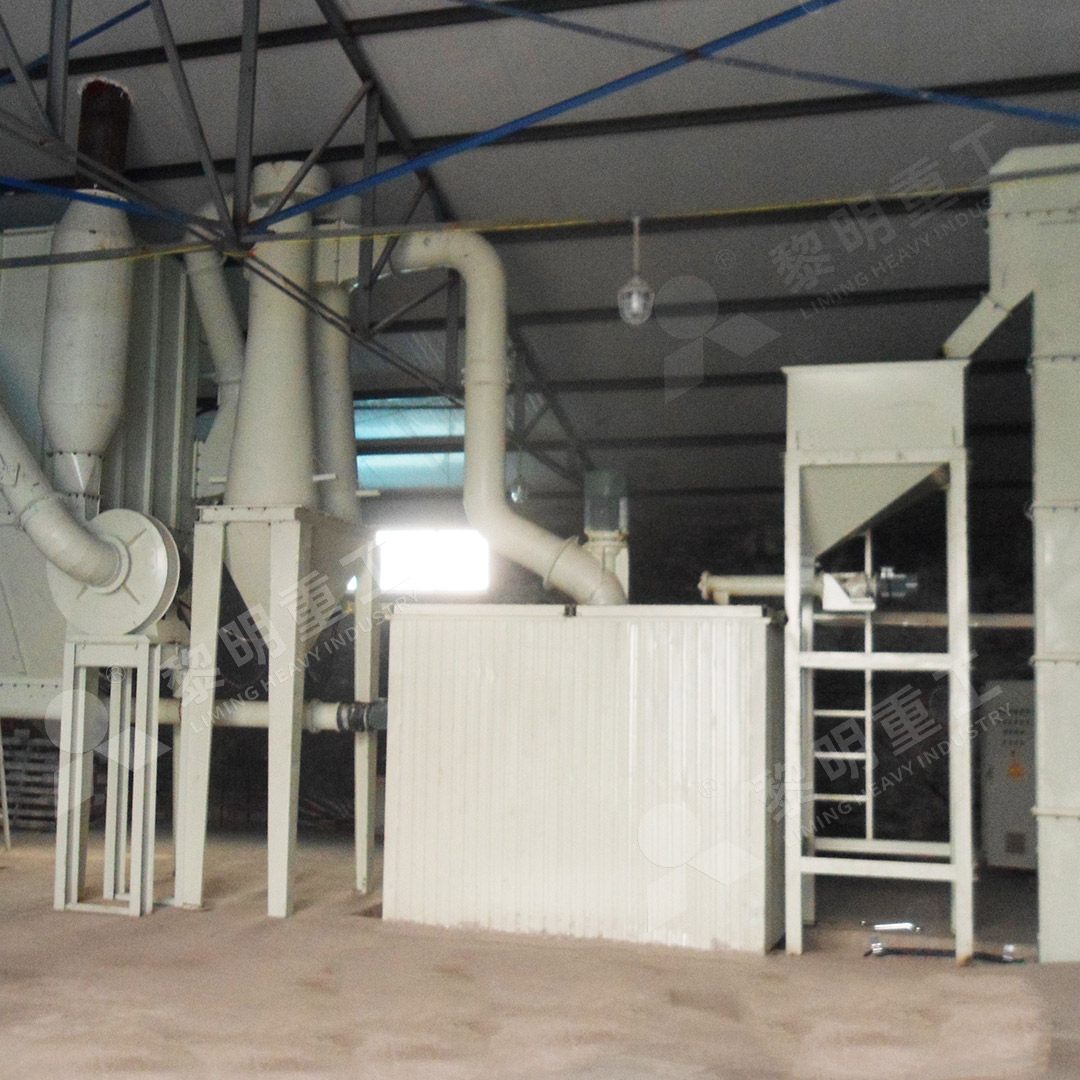
Key advantages for rubber filler production include:
- Higher Yielding, Lower Energy Consumption: Achieves 40% higher capacity than jet mills with system energy consumption only 30% of jet mills, drastically reducing operating costs per ton.
- Minimal Iron Contamination: The innovative design has no rolling bearings or screws in the grinding chamber, virtually eliminating a major source of iron wear-and-tear contamination that can degrade rubber quality.
- Eco-Friendly Operation: An efficient pulse dust collector and muffler ensure the entire production process meets stringent environmental standards, keeping your plant clean and compliant.
Integrating Milling into Your Kaolin Plant Flow
A typical kaolin processing flow for rubber filler begins with crushing and beneficiation (washing to remove impurities like quartz and mica). The purified kaolin slurry is then dried before being fed into the grinding circuit. This is where the MW Ultrafine Grinding Mill excels, transforming dried kaolin chunks into a perfectly controlled, ultra-fine powder.
The ground product is then typically air-conveyed to silos for packaging or bulk shipment. For some high-end applications, an additional surface modification step (e.g., using a silane coupling agent) might be integrated after milling to further enhance the compatibility between the kaolin particles and the rubber polymer.
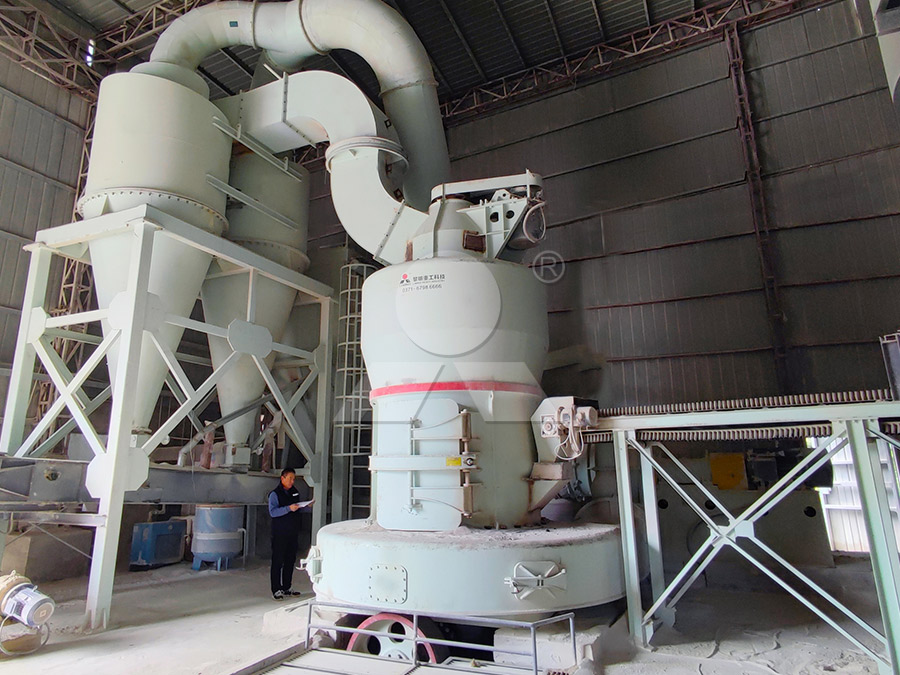
By investing in advanced grinding technology like the MW Ultrafine Grinding Mill, kaolin processors can significantly upgrade their product portfolio, moving into higher-value markets within the rubber industry. The ability to reliably produce a clean, consistent, and ultra-fine kaolin powder is a powerful competitive advantage, enabling rubber manufacturers to improve their product quality while optimizing compound costs.