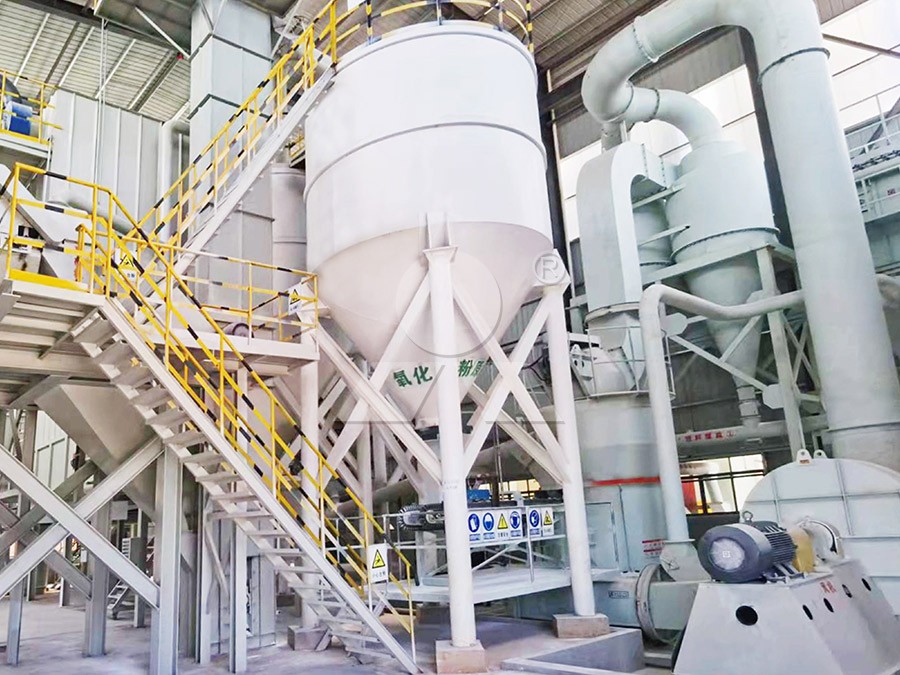
Kaolin Grinding Mill for High-Performance Plastic Filler Applications
We provide a wide range of mills — including Raymond mill, trapezoidal mill, vertical mill, ultrafine mill, and ball mill, obtained ISO9001 international quality certification, EU CE certification, and Customs Union CU-TR certification. Suitable for processing minerals such as limestone, phosphate, quicklime, kaolin, talc, barite, bentonite, calcium carbonate, dolomite, coal, gypsum, clay, carbon black, slag, cement raw materials, cement clinker, and more.
The discharge range of these mills can be adjusted to meet specific processing needs, typically from 80-400 mesh, 600-3250 mesh, and can achieve the finest particle size of up to 6000 mesh(D50).
If you are looking for a reliable grinding solution to turn stone or minerals into fine powder, please feel free to contact our online customer service.
Unlocking the Potential of Kaolin in Plastics
In the competitive world of polymer engineering, the quest for superior fillers that enhance mechanical properties, improve surface finish, and reduce costs is never-ending. Kaolin, a naturally occurring white clay, has emerged as a champion in this arena. Its plate-like structure contributes to increased stiffness, improved impact strength, and better dimensional stability in everything from PVC pipes to polypropylene automotive parts. However, the true performance of kaolin is only unlocked when it is ground to a precise, ultra-fine, and consistent particle size. This is where the choice of grinding technology becomes paramount.
The Critical Role of Grinding Technology
Not all grinding mills are created equal, especially for an application as demanding as plastic filler production. The ideal mill must achieve a very tight particle size distribution (PSD) to ensure uniform dispersion within the polymer matrix. A broad PSD can lead to agglomeration, creating weak points and compromising the material’s integrity. Furthermore, the grinding process must be exceptionally clean to prevent iron contamination, which can cause yellowing and degrade the quality of white or brightly colored plastics. Energy consumption is another major factor, as it directly impacts the overall cost of the filler production.
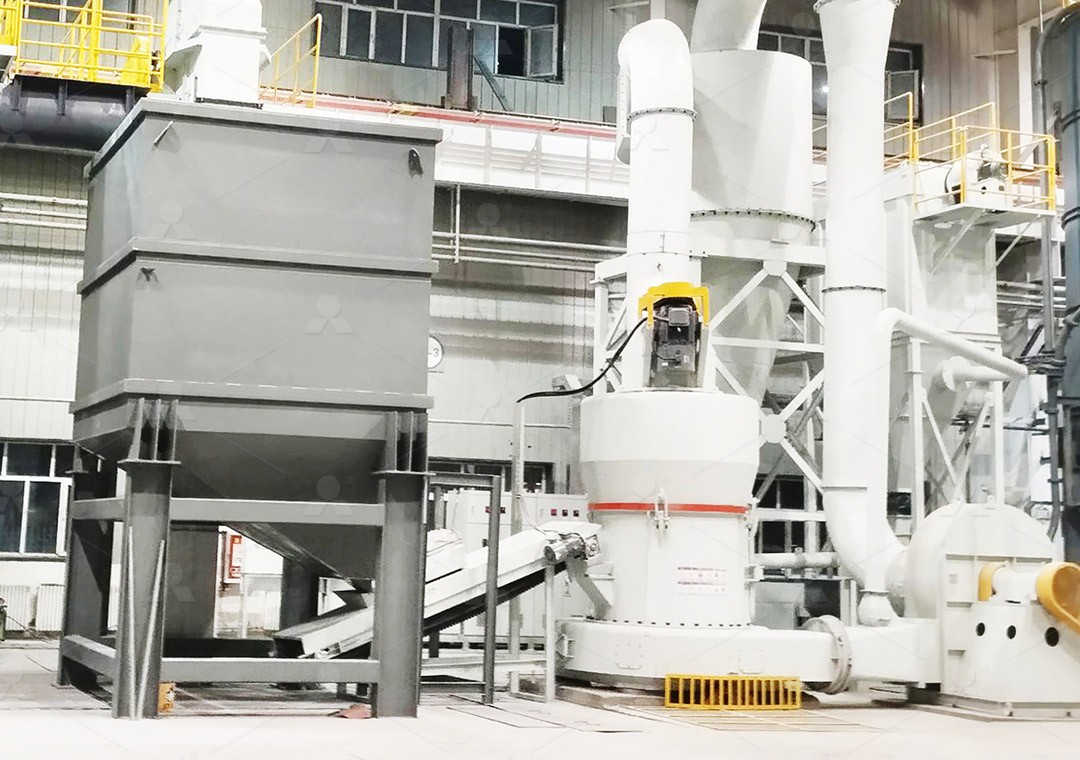
Our Recommended Solution: The MW Ultrafine Grinding Mill
For producers aiming at the high-end plastic market, our MW Ultrafine Grinding Mill stands out as a premier choice. This machine is engineered specifically for customers who need to make ultra-fine powder with exceptional precision and efficiency.
Why the MW Mill Excels for Kaolin:
- Adjustable Fineness (325-2500 meshes): Its advanced German-designed, cage-type powder selector allows for precise control over the final product’s fineness. You can consistently achieve a target fineness of d97≤5μm, which is ideal for maximizing the reinforcing effect in plastic composites.
- Higher Yielding, Lower Energy Consumption: With newly designed grinding curves, the MW Mill’s production capacity is 40% higher than jet mills and double that of ball mills, all while reducing system energy consumption by a remarkable 30%. This translates directly to a lower cost per ton of premium filler.
- Pristine Product Quality: A critical feature for plastics is the absence of iron contamination. The MW Mill’s chamber has no rolling bearings or screws, eliminating a primary source of metal wear and tear. This ensures the whiteness and purity of your kaolin are maintained.
- Eco-Friendly & Worry-Free Operation: An efficient pulse dust collector guarantees no dust pollution, meeting strict environmental standards. Combined with a reliable supply of original spare parts and technical support, it ensures continuous, worry-free production for 24-hour operations.
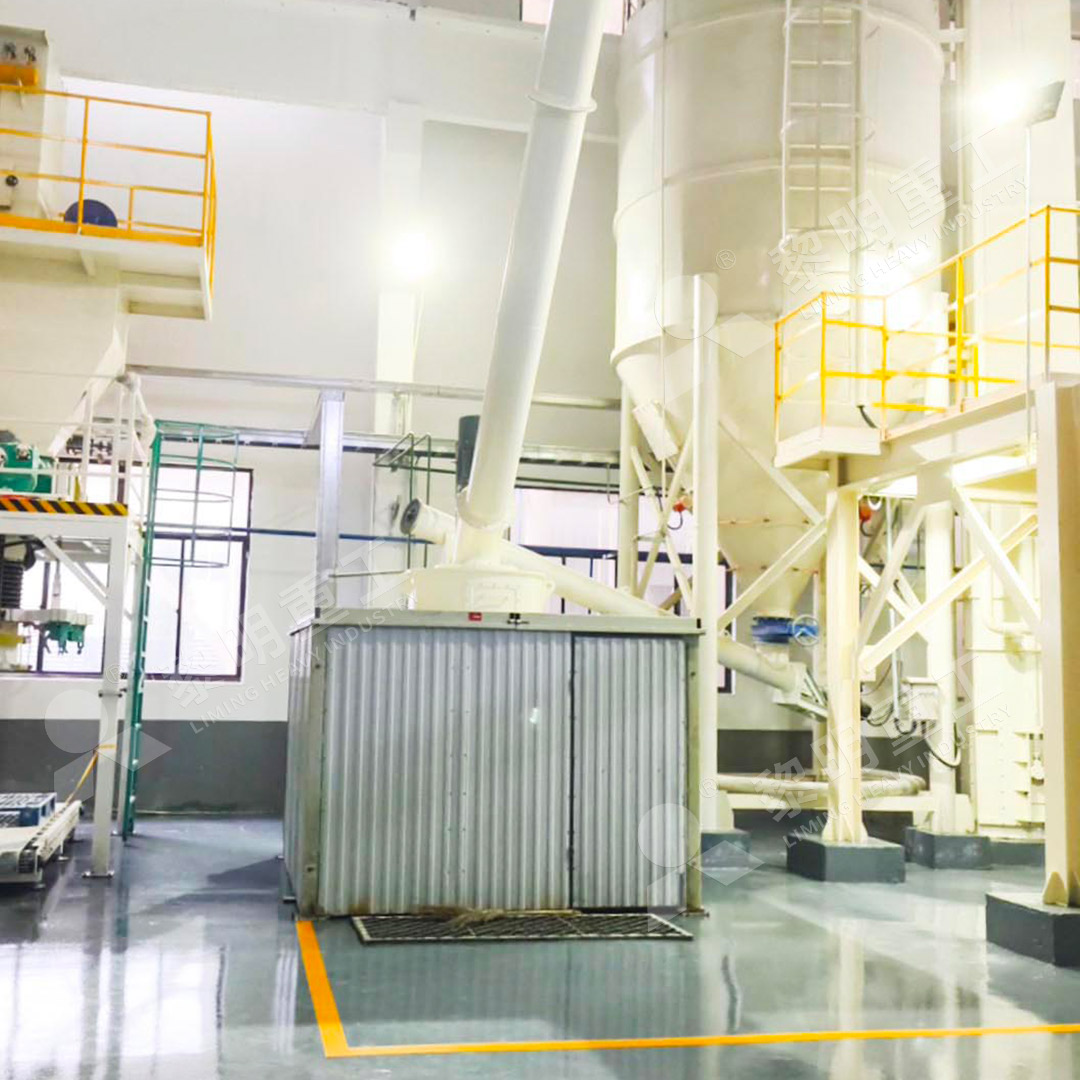
An Alternative for Larger Feed Sizes: The LM Vertical Grinding Mill
For operations that require processing larger feed sizes (up to 70mm) or need integrated drying of moist kaolin, our LM Vertical Grinding Mill is a formidable alternative. It integrates crushing, drying, grinding, and classifying into a single unit, reducing the footprint by 50% and saving energy by 30%-40%. Its grinding rollers do not contact the millstone directly, ensuring low iron content and making it another excellent option for producing high-quality filler.
Conclusion: Investing in Performance
Selecting the right grinding equipment is not just about reducing particle size; it’s about investing in the performance of your final plastic products. By choosing a mill designed for precision, cleanliness, and efficiency—like our MW or LM series—you are not just manufacturing a filler; you are engineering a key component that elevates material properties and provides a competitive edge in the market.