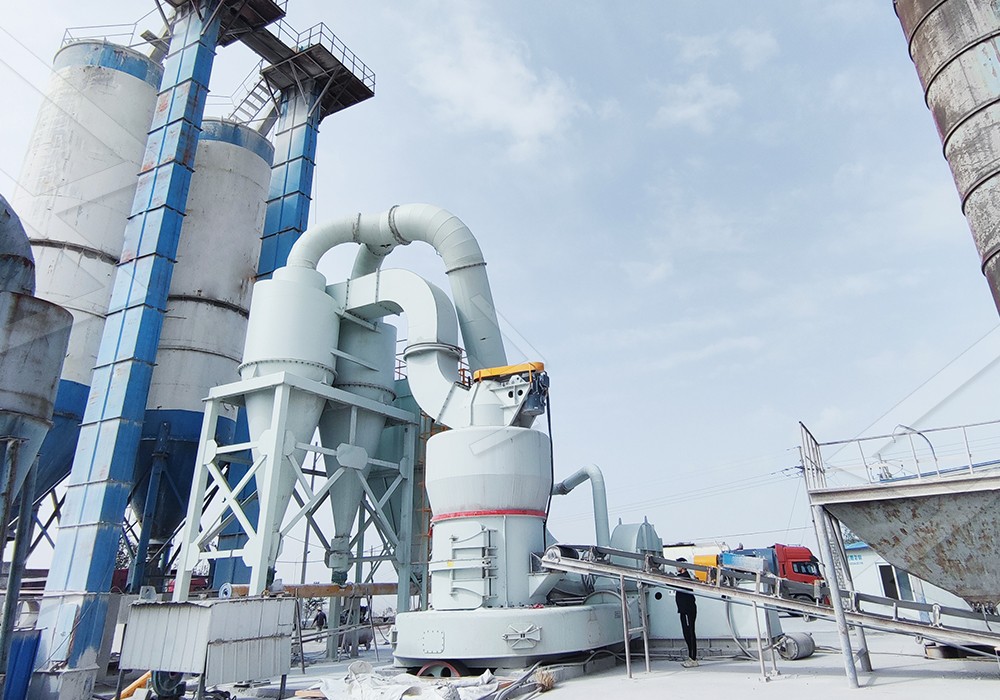
Kaolin Grinding Mill for High-Performance Cable Insulation Material Production
We provide a wide range of mills — including Raymond mill, trapezoidal mill, vertical mill, ultrafine mill, and ball mill, obtained ISO9001 international quality certification, EU CE certification, and Customs Union CU-TR certification. Suitable for processing minerals such as limestone, phosphate, quicklime, kaolin, talc, barite, bentonite, calcium carbonate, dolomite, coal, gypsum, clay, carbon black, slag, cement raw materials, cement clinker, and more.
The discharge range of these mills can be adjusted to meet specific processing needs, typically from 80-400 mesh, 600-3250 mesh, and can achieve the finest particle size of up to 6000 mesh(D50).
If you are looking for a reliable grinding solution to turn stone or minerals into fine powder, please feel free to contact our online customer service.
Kaolin Grinding Mill for High-Performance Cable Insulation Material Production
The production of high-performance cable insulation materials demands exceptionally pure and finely ground kaolin. This essential mineral, when processed to precise particle sizes, provides superior electrical insulation, mechanical strength, and thermal stability. Selecting the right grinding technology is paramount to achieving the consistent quality and performance characteristics required by the cable industry.
The Critical Role of Particle Size and Purity
In cable insulation, the uniformity of the kaolin dispersion within the polymer matrix directly influences the material’s dielectric properties. Any inconsistency or contamination can lead to weak spots, reducing the cable’s operational lifespan and safety. Traditional grinding methods often fall short, introducing metallic contamination from wear parts or failing to achieve the necessary fineness and narrow particle size distribution.
Advanced Grinding Solutions for Premium Quality
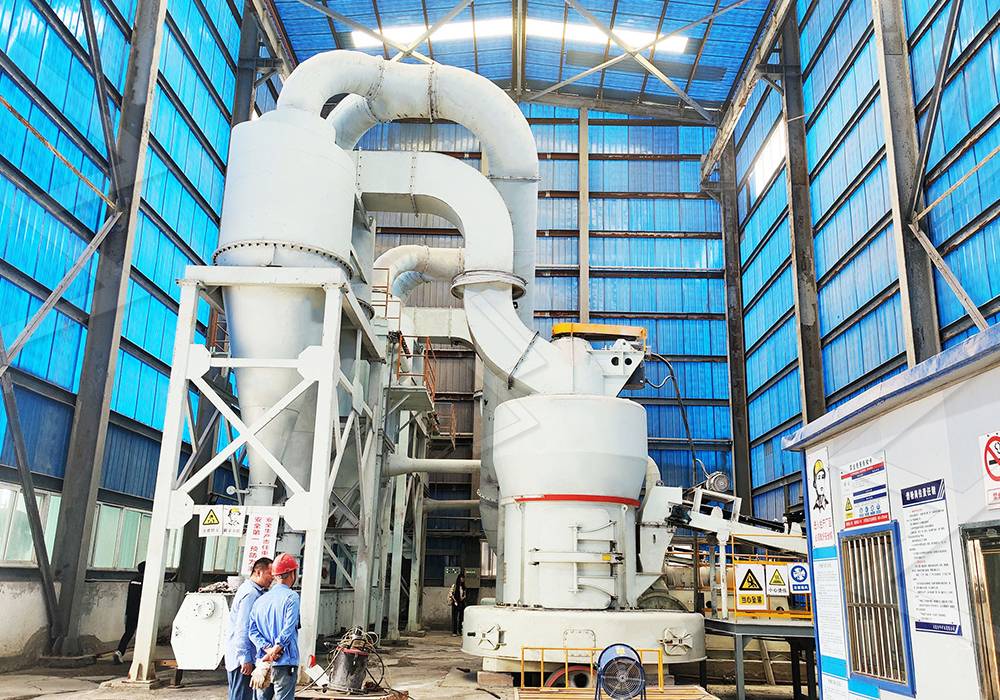
To meet these stringent requirements, advanced milling systems are essential. Our MW Ultrafine Grinding Mill is engineered specifically for applications where ultra-fine powder and absolute purity are non-negotiable. With an adjustable fineness range between 325-2500 meshes (achieving d97≤5μm), it delivers the exact specifications needed for high-grade insulation compounds.
A key advantage for sensitive applications like cable insulation is its innovative design: there are no rolling bearings or screws inside the grinding chamber. This eliminates a primary source of metallic contamination, ensuring the final product’s whiteness and electrical properties remain uncompromised. Furthermore, its higher yielding and lower energy consumption—40% higher capacity than jet mills—make it an economically sound investment.
Ensuring Operational and Environmental Integrity
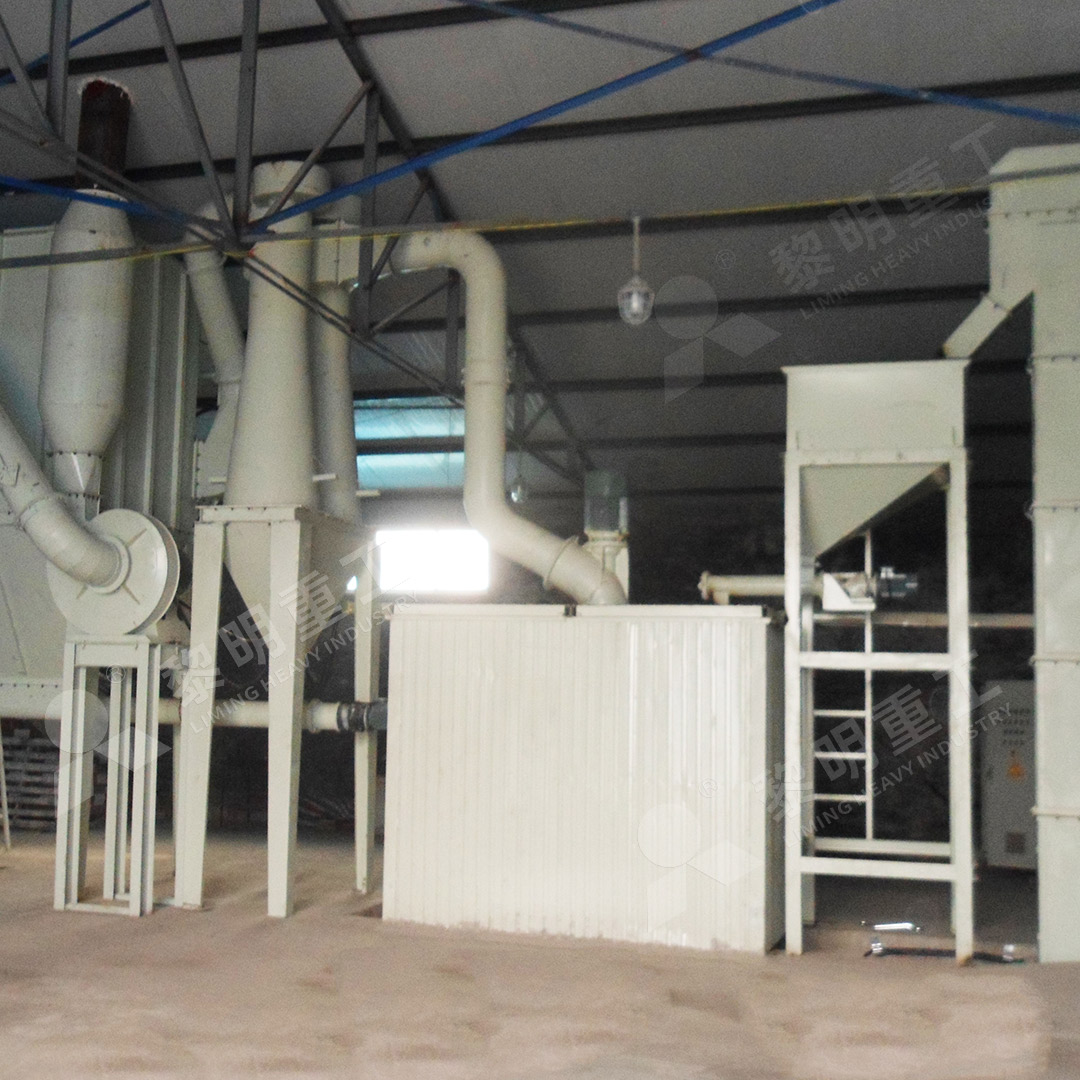
Beyond product quality, operational reliability and environmental compliance are critical. The MW Mill is equipped with an efficient pulse dust collector and muffler, ensuring a dust-free and low-noise operation that aligns with national environmental protection standards. For operations requiring vertical mill technology, our LUM Ultrafine Vertical Grinding Mill offers exceptional stability with its double position-limiting technology and reversible structure for easier maintenance, processing inputs of 0-10 mm at 5-18 tph.
Conclusion
Investing in the right grinding technology is the foundation of producing reliable, high-performance cable insulation. Equipment that guarantees purity, precision, and efficiency not only enhances product quality but also ensures long-term operational profitability and sustainability.
Frequently Asked Questions
- Why is metallic contamination so critical in kaolin for insulation?
Metallic particles can create conductive pathways within the insulation, severely degrading its dielectric strength and leading to premature cable failure. - What fineness is typically required for cable-grade kaolin?
Most high-performance applications require a fineness of d97 ≤ 10μm, often finer, which is easily achievable with the MW Ultrafine Grinding Mill. - How does the MW Mill achieve lower iron contamination?
By eliminating rolling bearings and screws in the grinding chamber, the main sources of mechanical wear and metallic pollution are removed. - Can the mill handle the high whiteness retention required?
Yes. The combination of the contamination-free design and efficient grinding action ensures the intrinsic whiteness and chemical purity of kaolin are maintained.