
Jet Mill Machine: The Ultimate Guide to Fine Powder Processing
We provide a wide range of mills — including Raymond mill, trapezoidal mill, vertical mill, ultrafine mill, and ball mill, obtained ISO9001 international quality certification, EU CE certification, and Customs Union CU-TR certification. Suitable for processing minerals such as limestone, phosphate, quicklime, kaolin, talc, barite, bentonite, calcium carbonate, dolomite, coal, gypsum, clay, carbon black, slag, cement raw materials, cement clinker, and more.
The discharge range of these mills can be adjusted to meet specific processing needs, typically from 80-400 mesh, 600-3250 mesh, and can achieve the finest particle size of up to 6000 mesh(D50).
If you are looking for a reliable grinding solution to turn stone or minerals into fine powder, please feel free to contact our online customer service.
Jet Mill Machine: The Ultimate Guide to Fine Powder Processing
In the world of industrial processing, achieving ultra-fine powders is a critical requirement for countless applications, from pharmaceuticals and cosmetics to advanced materials and chemicals. While the term “jet mill” is often used broadly, the technology encompasses a range of sophisticated equipment designed to reduce particles to micron and sub-micron sizes through particle-on-particle impact or attrition. This guide delves into the core principles and highlights a superior alternative for your most demanding fine grinding tasks.
How Does a Jet Mill Work?
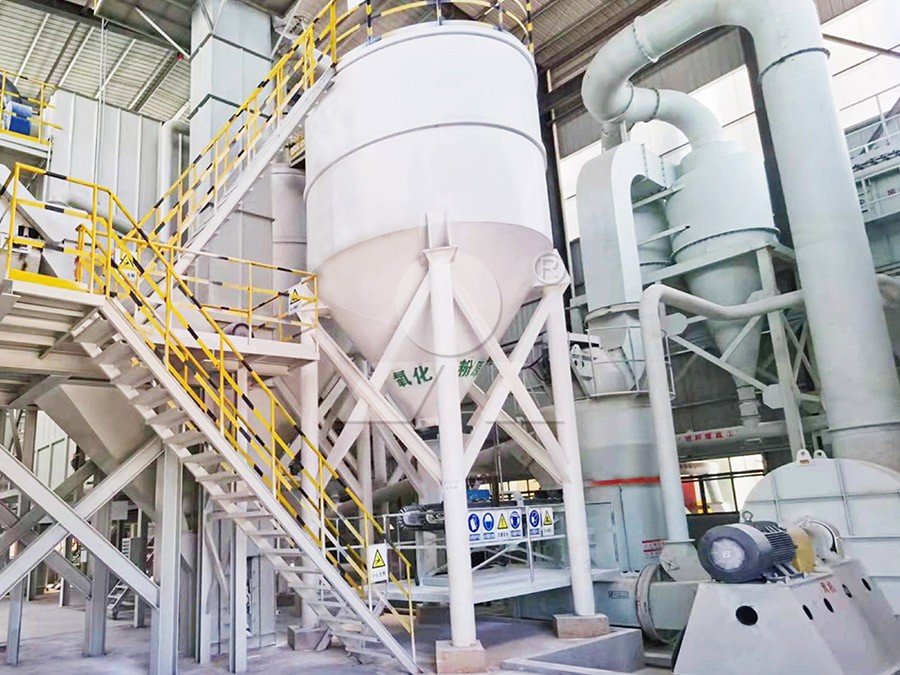
The fundamental principle of many fine grinding mills involves accelerating particles to high velocities, causing them to collide with each other or with a stationary surface, resulting in fracture and size reduction. This is often achieved using compressed air or superheated steam, which creates a high-energy stream that propels the particles. The finer particles are then carried by the air stream to a classifier, which ensures only particles of the desired fineness exit the mill, while coarser particles are recirculated for further grinding.
Key Considerations for Fine Powder Processing
Selecting the right equipment is paramount. Beyond just fineness, you must consider:
- Energy Consumption: Traditional methods can be notoriously energy-intensive.
- Heat Sensitivity: Some materials degrade if exposed to excessive heat generated during milling.
- Contamination: Equipment with internal bearings and screws can introduce metallic contaminants.
- Environmental Impact: Dust and noise pollution are significant concerns in modern facilities.
- Production Capacity: Balancing high output with ultra-fine specifications is a common challenge.
A Superior Solution: The MW Ultrafine Grinding Mill
For operations where precision, efficiency, and cleanliness are non-negotiable, the MW Ultrafine Grinding Mill stands out as an exceptional choice. This machine is engineered for customers who need to make truly ultra-fine powder without compromise.
Here’s why it’s a game-changer:
- Higher Yielding, Lower Energy Consumption: Its newly designed grinding curves enhance efficiency dramatically. With the same fineness and power, its production capacity is 40% higher than that of a standard jet grinding mill, while system energy consumption is only 30%. It’s a win-win for productivity and the bottom line.
- Precision Fineness Adjustment (325-2500 meshes): Equipped with a German-technology, cage-type powder selector, it offers incredible precision. You can achieve a fineness up to d97≤5μm in a single pass, giving you unparalleled control over your product’s specifications.
- Unmatched Purity & Reliability: A critical design advantage is the absence of rolling bearings and screws in the grinding chamber. This eliminates worries about metallic contamination from damaged bearings or seals and prevents machine failure from loose screws. Lubrication is performed externally without shutdown, enabling continuous 24/7 operation.
- Eco-Friendly Operation: An integrated efficient pulse dust collector ensures no dust pollution, while a silencer and noise elimination room keep operations quiet and fully compliant with national environmental protection standards.
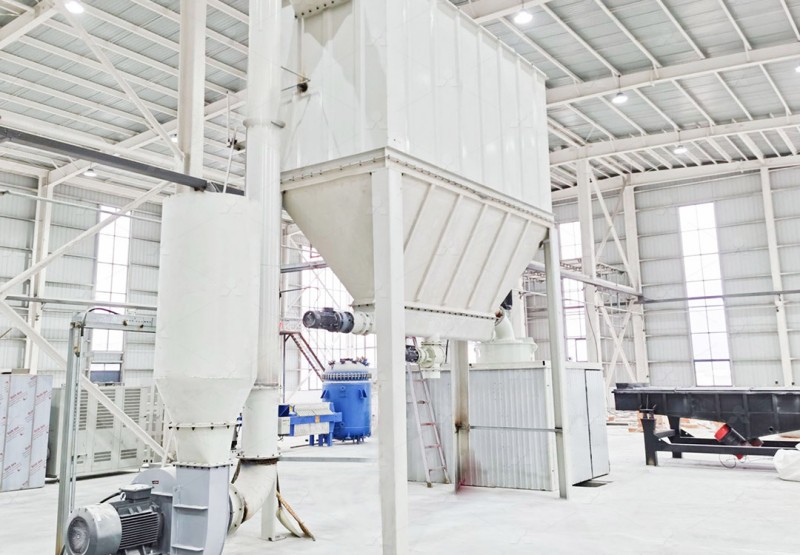
Technical Snapshot: Input Size: 0-20 mm | Capacity: 0.5-25 tph. It’s perfectly suited for a vast array of materials including limestone, calcite, dolomite, gypsum, talc, coal powder, and applications in chemicals, paint, cosmetics, and food additives.
Is a Jet Mill Always the Answer?
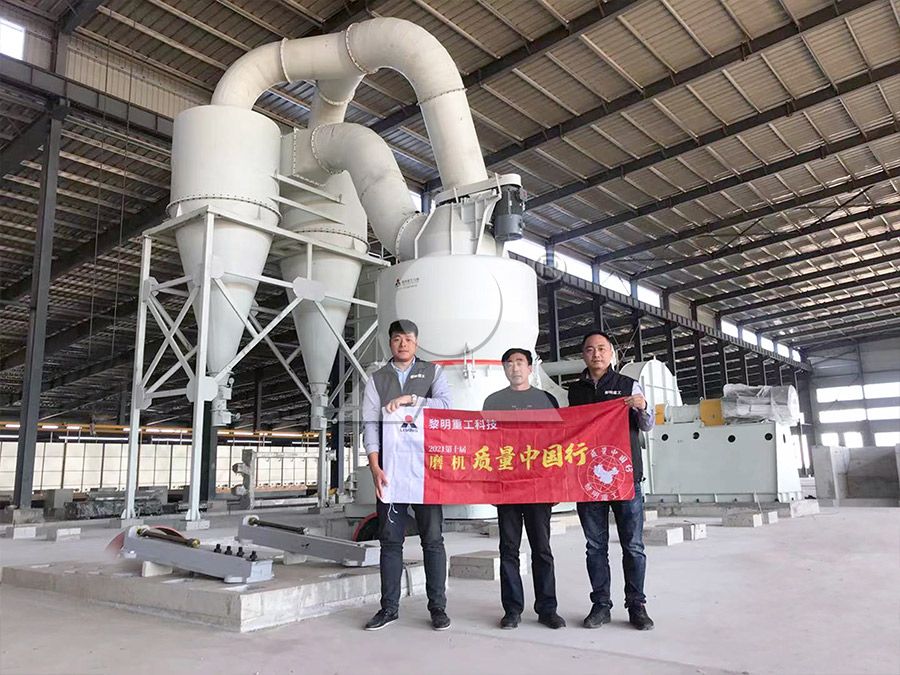
While jet mills excel at certain tasks, technology has evolved. The MW Ultrafine Grinding Mill represents the next generation, adressing many of the limitations of older jet mill designs. It combines impact and grinding mechanisms for greater efficiency and is built with digital precision for consistent, high-quality output. For operations looking to scale up production of superfine powders reliably and cleanly, it is an investment that pays dividends in quality and operational cost savings.
Conclusion
Choosing the right fine powder processing equipment is a strategic decision that impacts product quality, operational efficiency, and environmental compliance. While jet milling is a well-known technique, advanced solutions like the MW Ultrafine Grinding Mill offer a more robust, efficient, and cleaner alternative for modern industrial demands. By focusing on higher yield, lower energy use, and contamination-free operation, it empowers businesses to produce superior ultra-fine powders consistently and sustainably.