
Jaw Crusher vs. Crusher Mill: Key Differences and Applications
We provide a wide range of mills — including Raymond mill, trapezoidal mill, vertical mill, ultrafine mill, and ball mill, obtained ISO9001 international quality certification, EU CE certification, and Customs Union CU-TR certification. Suitable for processing minerals such as limestone, phosphate, quicklime, kaolin, talc, barite, bentonite, calcium carbonate, dolomite, coal, gypsum, clay, carbon black, slag, cement raw materials, cement clinker, and more.
The discharge range of these mills can be adjusted to meet specific processing needs, typically from 80-400 mesh, 600-3250 mesh, and can achieve the finest particle size of up to 6000 mesh(D50).
If you are looking for a reliable grinding solution to turn stone or minerals into fine powder, please feel free to contact our online customer service.
Jaw Crusher vs. Crusher Mill: Key Differences and Applications
In the world of mineral processing and material size reduction, two fundamental types of equipment stand out: the jaw crusher and the crusher mill (often referred to as a grinding mill). While both are designed to reduce the size of materials, they operate on different principles, serve distinct stages in the processing circuit, and produce vastly different end products. Understanding these differences is crucial for selecting the right machinery for your specific application, ensuring optimal efficiency, product quality, and cost-effectiveness.
The Primary Breaker: Understanding the Jaw Crusher
A jaw crusher is a primary crusher, meaning it is typically the first machine material encounters in a crushing circuit. Its function is straightforward yet powerful: to apply immense compressive force to break large, raw materials (like boulders or large rocks) down into smaller, more manageable chunks, typically ranging from 150mm to 250mm. The machine consists of a fixed jaw and a movable jaw. The material is fed into the top of the crushing chamber, and as the movable jaw moves cyclically towards the fixed jaw, it compresses and fractures the material.
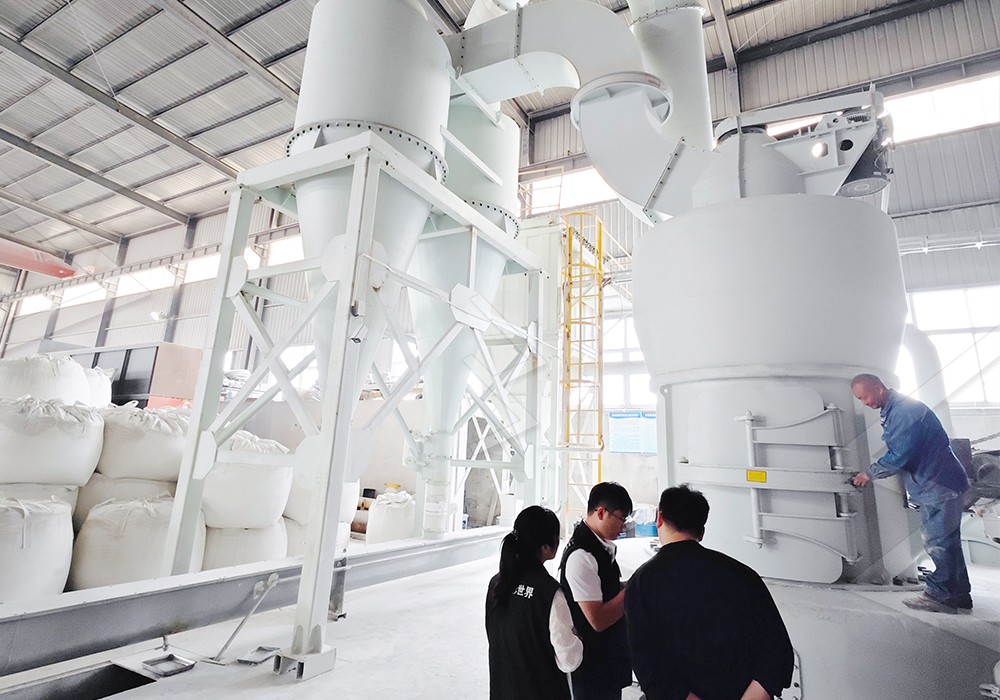
Key Characteristics of Jaw Crushers:
- Application: Primary crushing (first stage of size reduction).
- Input Size: Handles very large feed material, often directly from a mine.
- Output Size: Produces coarse aggregates, typically greater than 1 inch (25 mm).
- Mechanism: Compression crushing.
- Ideal For: Hard, abrasive materials like granite, basalt, and concrete.
The Refinement Specialist: Delving into Crusher Mills
Crusher mills, or grinding mills, are secondary or tertiary processing equipment. They take the coarsely crushed product from a jaw crusher and refine it into a fine powder or a specific particle size distribution. Unlike the brute force of a jaw crusher, mills employ a combination of impact, attrition, and abrasion to achieve much finer results. There are numerous types of grinding mills, including ball mills, Raymond mills, and advanced ultrafine mills.
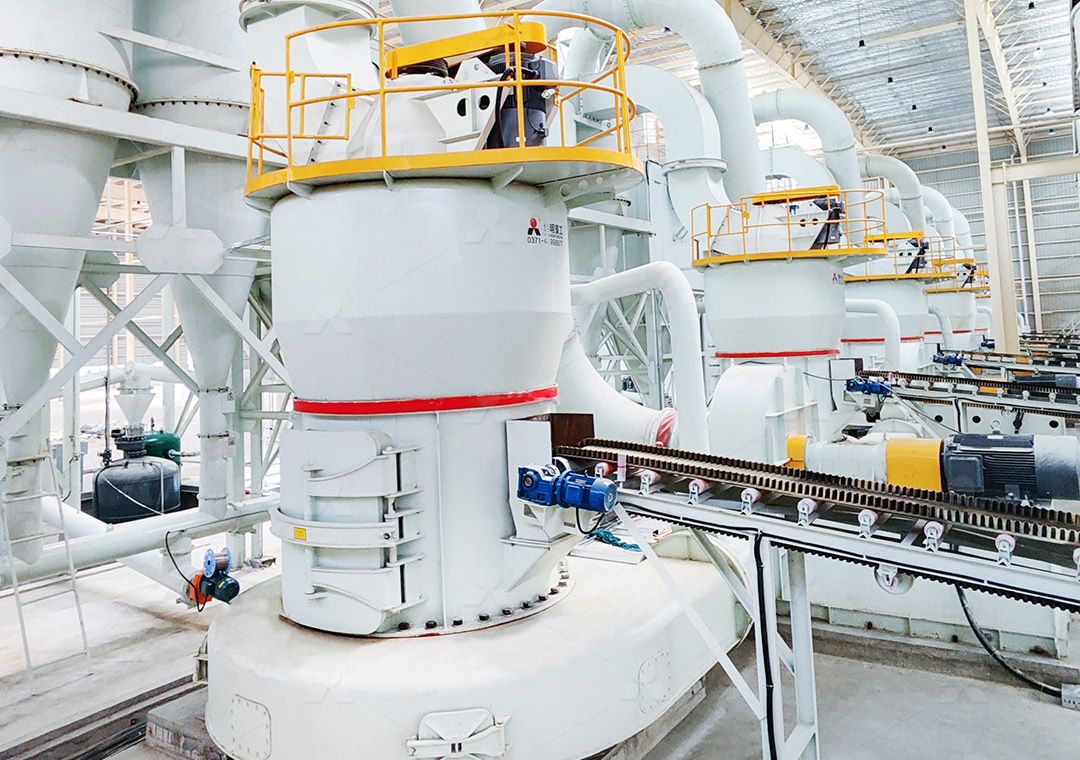
Key Characteristics of Crusher Mills:
- Application: Secondary, tertiary, or fine grinding.
- Input Size: Accepts pre-crushed material from a primary crusher.
- Output Size: Produces fine to ultra-fine powders, often down to a few microns.
- Mechanism: Impact, attrition, and abrasion.
- Ideal For: Producing powders for cement, paints, cosmetics, pharmaceuticals, and advanced industrial applications.
Choosing the Right Tool: A Comparative Summary
The choice between a jaw crusher and a grinding mill is not a matter of one being better than the other; it’s about their place in the production line. A jaw crusher is your starting point for size reduction, while a grinding mill is the tool for achieving the final product specification. They are complementary, not interchangeable.
| Feature | Jaw Crusher | Crusher Mill (e.g., Grinding Mill) |
|---|---|---|
| Processing Stage | Primary Crushing | Secondary/Tertiary Grinding |
| Product Size | Coarse Aggregate (e.g., 25-150mm) | Fine/Ultra-fine Powder (e.g., 45μm-2mm) |
| Energy Consumption | Generally lower per ton for primary reduction | Higher, as fine grinding is energy-intensive |
| Noise & Dust | Can be significant without proper enclosures | Modern mills are designed to be enclosed and eco-friendly |
Advanced Solutions for Fine Grinding
For operations requiring high-precision fine powders, selecting an advanced grinding mill is critical. Our MW Ultrafine Grinding Mill is engineered specifically for these demanding applications. With an input size of 0-20 mm and a capacity range of 0.5-25 tph, it is perfectly suited to process material pre-crushed by a jaw crusher. Its innovative design, featuring a German-technology cage-type powder selector, allows for precise fineness adjustment between 325-2500 meshes. Furthermore, its higher yielding and lower energy consumption—40% higher capacity than jet mills and 30% of their energy use—make it an economically and environmentally sound choice for producing ultra-fine powders for industries like chemicals, paints, and cosmetics.
For projects requiring vertical grinding efficiency, the LUM Ultrafine Vertical Grinding Mill is another excellent option. Integrating grinding, grading, and transporting, it offers remarkable energy savings of 30%-50% and features a unique reversible structure that simplifies maintenance, reducing downtime significantly.
Frequently Asked Questions (FAQ)
Can I use a grinding mill without a jaw crusher first?
Generally, no. Grinding mills are designed to handle material that has already been reduced to a manageable size (typically less than 20-50mm). Feeding large, raw material directly into a mill can cause damage, inefficiency, and clogging. A jaw crusher is essential for the primary breaking stage.
Which is more energy-efficient?
This is a stage-dependent question. Jaw crushers are highly efficient at the primary reduction of large rocks. However, the energy required to create fine powders is inherently high. The key to overall plant efficiency is using an efficient jaw crusher for primary crushing and a modern, energy-optimized mill like the MW Ultrafine Grinding Mill for the final grinding stage.
What is the main advantage of an ultrafine mill over a traditional ball mill?
Ultrafine mills, such as our MW series, are designed for much higher precision and efficiency in the sub-micron range. They offer superior control over particle size distribution, higher production capacity for a given power input, and often incorporate advanced features like pulse dust collectors for a cleaner operation, unlike traditional ball mills which can be less efficient and generate more noise and heat.
How do I decide on the final particle size I need?
The required final particle size is determined by your end product’s application. For example, construction aggregate may only need crushing, while paint pigments or pharmaceutical additives require ultra-fine powders. Consulting with our technical team can help you determine the optimal crushing and grinding circuit for your specific material and product goals.