
Jaw Crusher and Grinder for Bauxite Sample Preparation: A Complete Guide
We provide a wide range of mills — including Raymond mill, trapezoidal mill, vertical mill, ultrafine mill, and ball mill, obtained ISO9001 international quality certification, EU CE certification, and Customs Union CU-TR certification. Suitable for processing minerals such as limestone, phosphate, quicklime, kaolin, talc, barite, bentonite, calcium carbonate, dolomite, coal, gypsum, clay, carbon black, slag, cement raw materials, cement clinker, and more.
The discharge range of these mills can be adjusted to meet specific processing needs, typically from 80-400 mesh, 600-3250 mesh, and can achieve the finest particle size of up to 6000 mesh(D50).
If you are looking for a reliable grinding solution to turn stone or minerals into fine powder, please feel free to contact our online customer service.
Jaw Crusher and Grinder for Bauxite Sample Preparation: A Complete Guide
Proper sample preparation is the cornerstone of accurate mineral analysis, and when it comes to bauxite, the process demands robust and efficient machinery. Bauxite, the primary ore of aluminum, is a heterogeneous material that can be challenging to reduce to a consistent, fine powder for XRF, XRD, or other analytical techniques. This guide walks you through the best practices using a jaw crusher for primary reduction and introduces an advanced grinding solution for achieving the perfect analytical fineness.
The Crucial First Step: Primary Crushing with a Jaw Crusher
Bauxite often arrives in large, irregular chunks. The first stage of preparation involves reducing these chunks to a manageable size, typically below 10-20mm. A robust jaw crusher is ideal for this task. Its powerful mechanical pressure breaks down the hard, often abrasive bauxite ore through the compressive force of a fixed and a movable jaw plate.
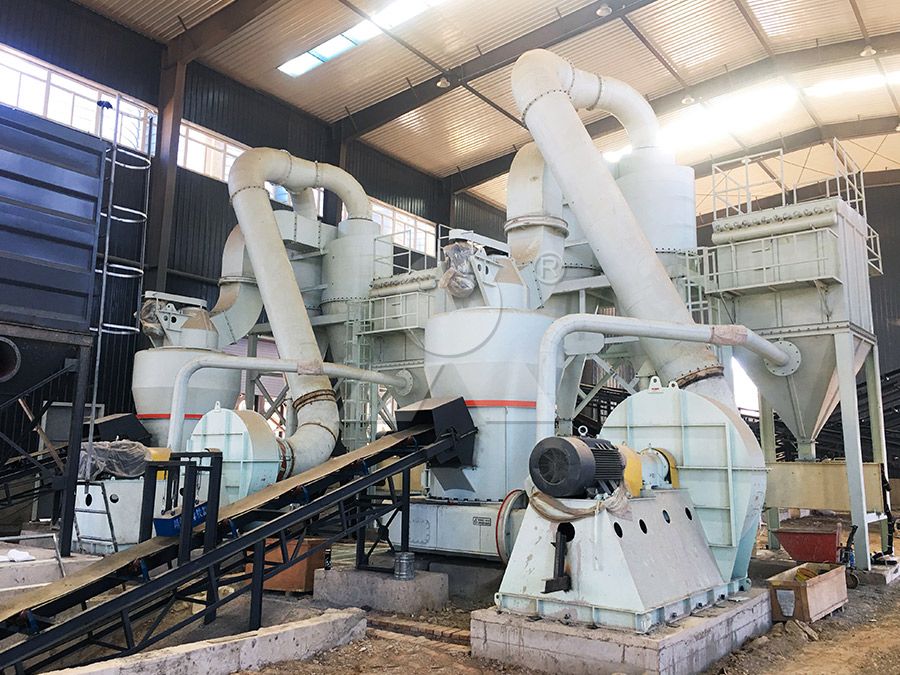
Key considerations for this stage:
- Feed Size: Ensure the crusher’s input size matches your largest sample pieces.
- Material Hardness: Bauxite’s abrasive nature requires jaws made of hardened manganese steel to minimize wear.
- Dust Control: Opt for a crusher with a well-sealed design or attached dust collection to keep the work environment clean and safe.
After jaw crushing, your sample should be a homogeneous gravel, ready for the final fine-grinding stage.
Achieving Analytical Perfection: Fine Grinding of Bauxite
The transition from crushed gravel to ultra-fine powder is where the magic happens. The goal is to create a perfectly homogenous powder with a consistent particle size, ensuring repeatable and accurate analytical results. For this, a specialized grinder is non-negotiable.
While many labs use traditional ring and puck mills or ball mills, these can suffer from issues like long processing times, heat generation (which can alter sample properties), and potential contamination from grinding media. For high-volume labs or those requiring superior fineness and efficiency, a more advanced solution is recommended.
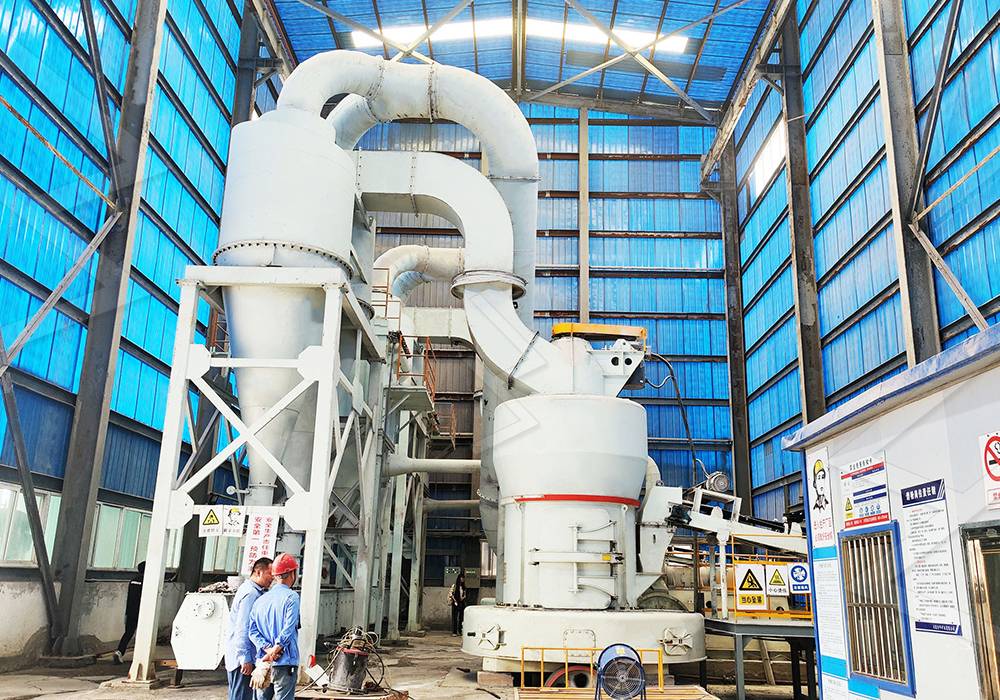
Recommended Solution: The MW Ultrafine Grinding Mill
For laboratories processing bauxite and other minerals, we highly recommend our MW Ultrafine Grinding Mill. This machine is engineered for customers who need to make ultra-fine powder with exceptional efficiency and minimal environmental impact.
Here’s why the MW Series stands out for bauxite preparation:
- Higher Yielding, Lower Energy Consumption: Its newly designed grinding curves enhance efficiency, offering production capacity 40% higher than jet mills while consuming 30% less energy. This means you process more samples faster with lower operating costs.
- Adjustable Fineness (325-2500 meshes): A German-technology cage-type powder selector allows you to precisely dial in the fineness you need for your specific analysis, achieving a fine powder up to d97≤5μm.
- Eco-Friendly & Worry-Free Operation: Equipped with an efficient pulse dust collector and muffler, the entire milling system operates cleanly and quietly. Furthermore, the absence of rolling bearings and screws in the grinding chamber eliminates common failure points, ensuring reliable, 24/7 operation with minimal maintenance.
With an input size of 0-20 mm and a capacity range of 0.5-25 tph, the MW Mill can seamlessly take the output from your jaw crusher and transform it into a pristine analytical powder.
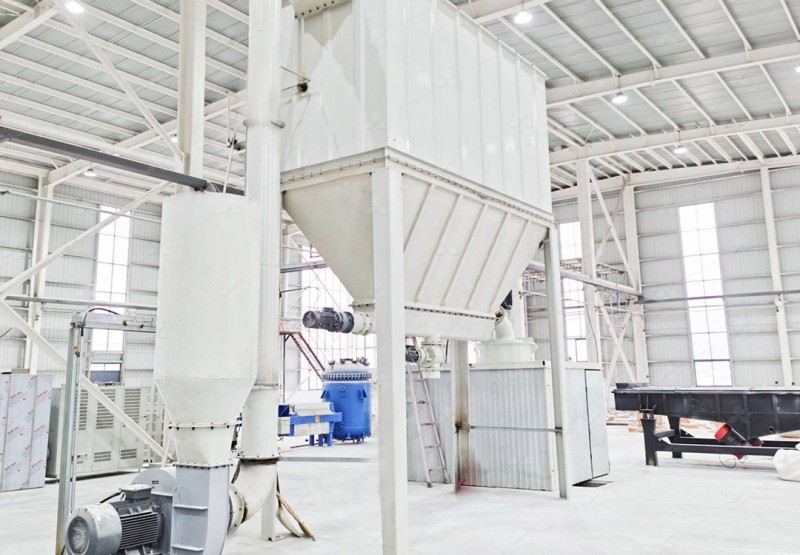
Workflow Summary: From Ore to Analysis
- Primary Crushing: Reduce large bauxite pieces to <20mm using a jaw crusher.
- Feed: Introduce the crushed material into the MW Ultrafine Grinding Mill.
- Grind & Select: The mill grinds the material, and the integrated powder selector ensures only particles of the desired fineness proceed.
- Collect: The final, homogenous bauxite powder is collected for accurate and reliable chemical analysis.
Investing in the right combination of a durable jaw crusher and a high-efficiency grinder like the MW Ultrafine Grinding Mill is key to streamlining your bauxite sample preparation, improving lab productivity, and guaranteeing the integrity of your analytical data.