
Japan Micronize Grinding Mill for Quartz: High-Precision Powder Processing Solutions
We provide a wide range of mills — including Raymond mill, trapezoidal mill, vertical mill, ultrafine mill, and ball mill, obtained ISO9001 international quality certification, EU CE certification, and Customs Union CU-TR certification. Suitable for processing minerals such as limestone, phosphate, quicklime, kaolin, talc, barite, bentonite, calcium carbonate, dolomite, coal, gypsum, clay, carbon black, slag, cement raw materials, cement clinker, and more.
The discharge range of these mills can be adjusted to meet specific processing needs, typically from 80-400 mesh, 600-3250 mesh, and can achieve the finest particle size of up to 6000 mesh(D50).
If you are looking for a reliable grinding solution to turn stone or minerals into fine powder, please feel free to contact our online customer service.
Japan Micronize Grinding Mill for Quartz: High-Precision Powder Processing Solutions
In the demanding world of industrial minerals processing, achieving ultra-fine particle sizes with high purity and consistent quality is paramount. Nowhere is this more critical than in the processing of quartz for advanced applications in electronics, optics, and high-performance composites. Japanese engineering has long been synonymous with precision, and this ethos is perfectly embodied in modern micronizing grinding mill technology designed for the most exacting standards.
Quartz, with its inherent hardness (7 on the Mohs scale) and abrasive nature, presents a significant challenge for size reduction. Traditional milling methods often lead to contamination, excessive heat generation, and broad particle size distributions that are unacceptable for high-value applications. The solution lies in advanced grinding mills that combine robust construction with intelligent, precise control systems.
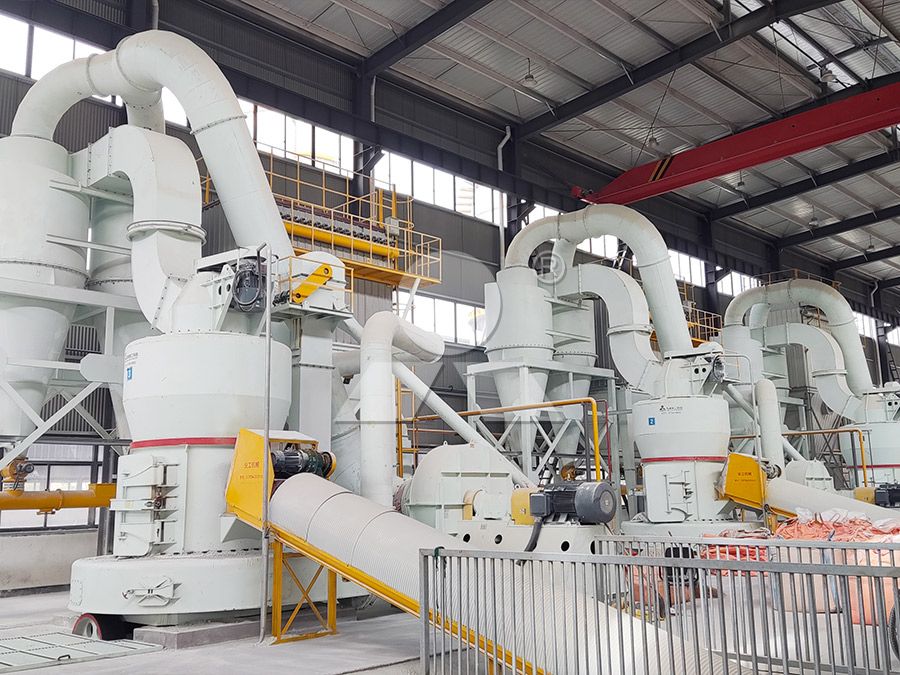
Key Challenges in Quartz Micronization
Successfully processing quartz into fine powder requires overcoming several obstacles. Heat buildup during grinding can cause thermal damage to the quartz crystals, altering their properties. Equipment wear is another major concern, as quartz’s abrasiveness can quickly degrade grinding components, leading to metallic contamination of the final product. Furthermore, achieving a narrow, consistent particle size distribution is essential for applications where flow characteristics, packing density, and surface area are critical performance factors.
Advanced Technology for Superior Results
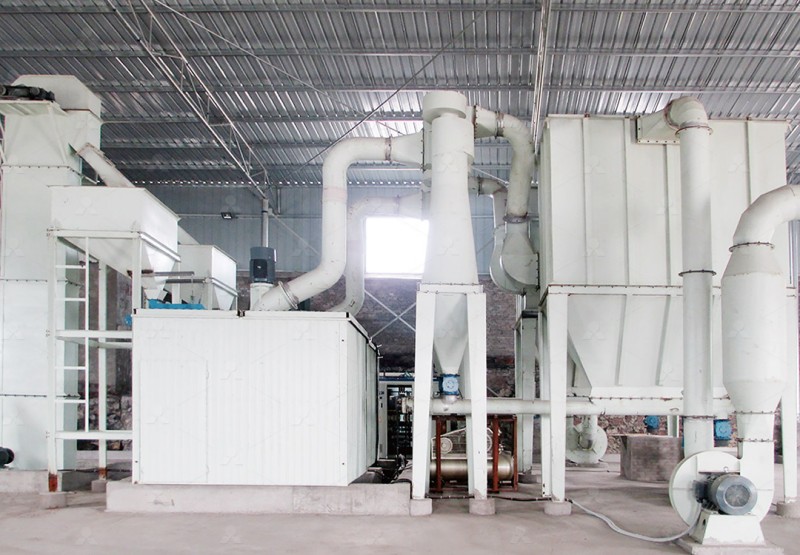
Modern grinding systems address these challenges through innovative engineering. For operations requiring the highest levels of precision in quartz processing, we highly recommend our MW Ultrafine Grinding Mill. This machine represents a significant leap forward in grinding technology, specifically designed for customers who need to make ultra-fine powder with minimal contamination.
The MW Ultrafine Grinding Mill handles input sizes of 0-20 mm with a capacity range of 0.5-25 tph, making it suitable for various production scales. Its cage-type powder selector adopts German technologies, significantly increasing the precision of powder separation. Perhaps most importantly for quartz processing, the product fineness can be precisely adjusted between 325-2500 meshes, with the screening rate achieving an impressive d97≤5μm in a single pass.
Features That Make the Difference
What sets the MW Ultrafine Grinding Mill apart for quartz applications? The absence of rolling bearings and screws in the grinding chamber eliminates concerns about damage to bearing or sealing parts—a crucial advantage when processing abrasive materials like quartz. The external lubrication system allows for maintenance without shutdown, enabling continuous 24/7 production that maximizes operational efficiency.
Environmental considerations are also addressed with an efficient pulse dust collector and muffler system that reduces both dust and noise pollution, ensuring the entire production process meets stringent Japanese environmental standards. The mill’s newly designed grinding curves of roller and ring further enhance grinding efficiency, offering production capacity 40% higher than jet or stirred grinding mills with the same fineness and power requirements.
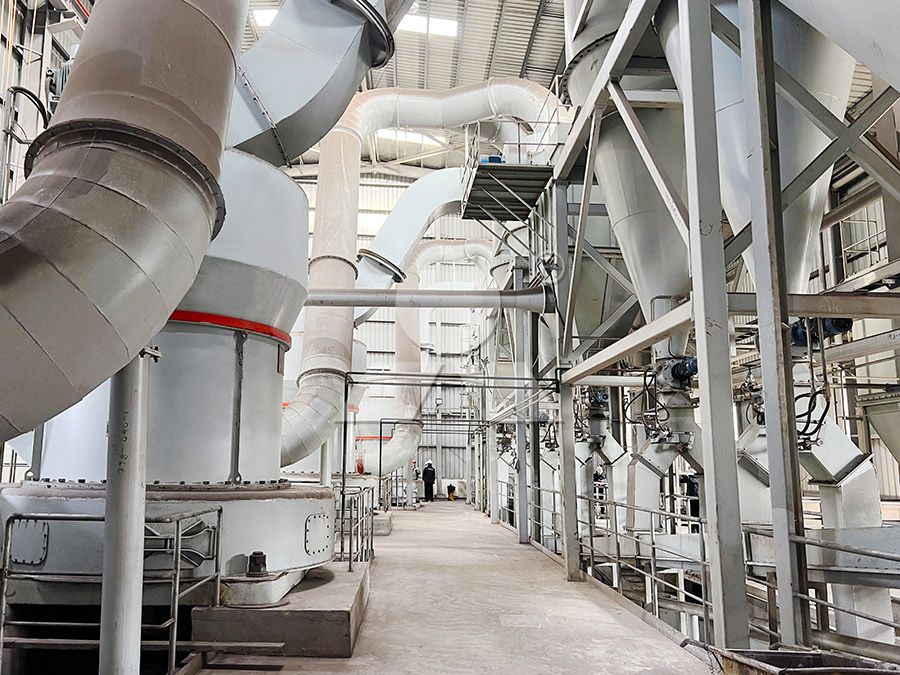
For operations requiring even finer control or handling slightly different material characteristics, our LUM Ultrafine Vertical Grinding Mill presents an excellent alternative. With an input size of 0-10 mm and capacity of 5-18 tph, the LUM mill integrates ultrafine powder grinding, grading, and transporting in a single system. Its unique roller shell and lining plate grinding curve design generates material layers more easily and realizes high rates of finished products through once powder milling, greatly enhancing working efficiency while improving the whiteness and cleanliness of finished products—essential qualities for high-purity quartz applications.
Conclusion
The pursuit of perfection in quartz micronization requires equipment that matches the material’s challenges with engineering excellence. With advanced features like digitalized processing for higher precision, eco-friendly operation, and superior particle size control, modern grinding mills like the MW Ultrafine Grinding Mill provide Japanese manufacturers with the technological edge needed to produce quartz powders that meet the world’s most demanding specifications. Whether for electronics, advanced ceramics, or specialty chemicals, investing in the right grinding technology ensures product quality, operational efficiency, and competitive advantage in global markets.