
Is There a Micronized Slag Grinding Plant in Lianyungang?
We provide a wide range of mills — including Raymond mill, trapezoidal mill, vertical mill, ultrafine mill, and ball mill, obtained ISO9001 international quality certification, EU CE certification, and Customs Union CU-TR certification. Suitable for processing minerals such as limestone, phosphate, quicklime, kaolin, talc, barite, bentonite, calcium carbonate, dolomite, coal, gypsum, clay, carbon black, slag, cement raw materials, cement clinker, and more.
The discharge range of these mills can be adjusted to meet specific processing needs, typically from 80-400 mesh, 600-3250 mesh, and can achieve the finest particle size of up to 6000 mesh(D50).
If you are looking for a reliable grinding solution to turn stone or minerals into fine powder, please feel free to contact our online customer service.
Lianyungang, a major port city in Jiangsu Province, China, is a significant industrial hub with a strong presence in sectors like chemicals, machinery, and building materials. A common inquiry within the industrial and construction sectors is whether specialized facilities for processing industrial by-products, like micronized slag grinding plants, operate within this region.
The Industrial Landscape of Lianyungang
Given its extensive port facilities and industrial base, Lianyungang hosts numerous processing plants that handle various raw materials. Slag, a by-product of steel production, is a valuable resource when processed correctly. Grinding it into a fine powder, or micronized slag, significantly enhances its properties, making it an excellent supplementary cementitious material (SCM) in concrete, improving durability and strength.
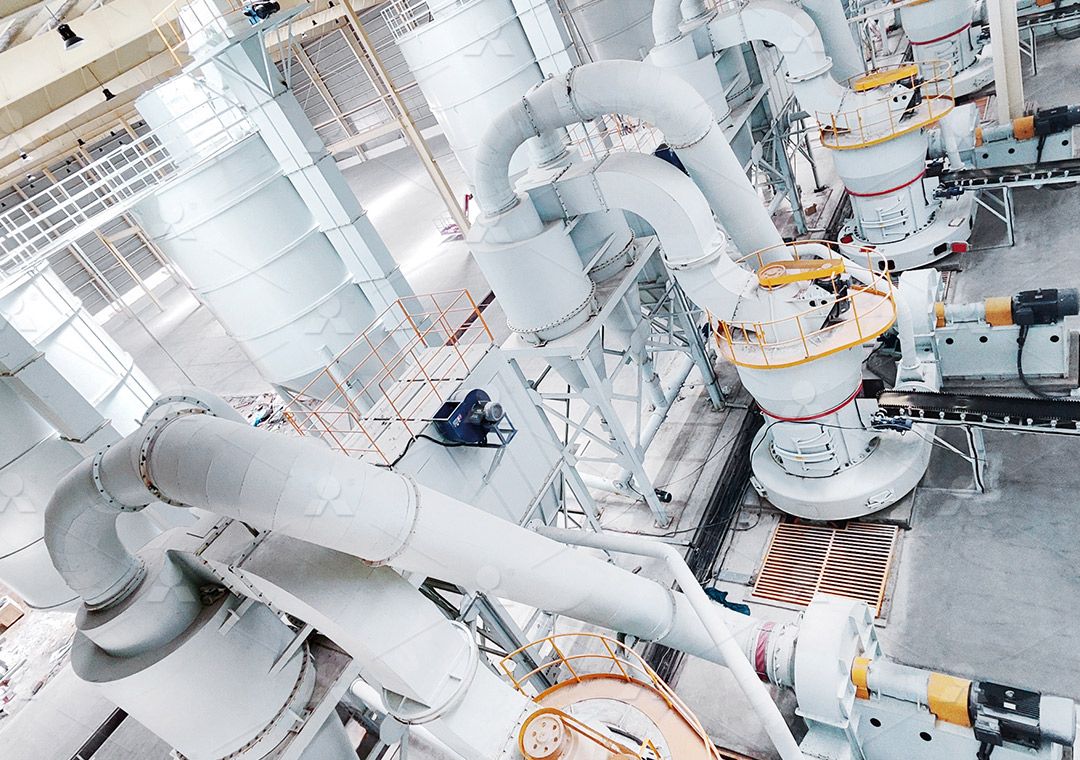
While the specific operational details of every plant are often proprietary, the region’s focus on heavy industry and sustainable construction practices makes it a logical location for such advanced processing facilities. The availability of raw slag from nearby steel production and the demand for high-quality construction materials drive this market.
The Technology Behind Micronized Slag Production
Producing consistent, high-quality micronized slag requires advanced grinding technology. Not every grinding mill is suited for this demanding application. The process demands equipment capable of handling abrasive materials, achieving ultra-fine particle sizes (often down to 4000 cm²/g or higher Blaine fineness), and operating with high energy efficiency.
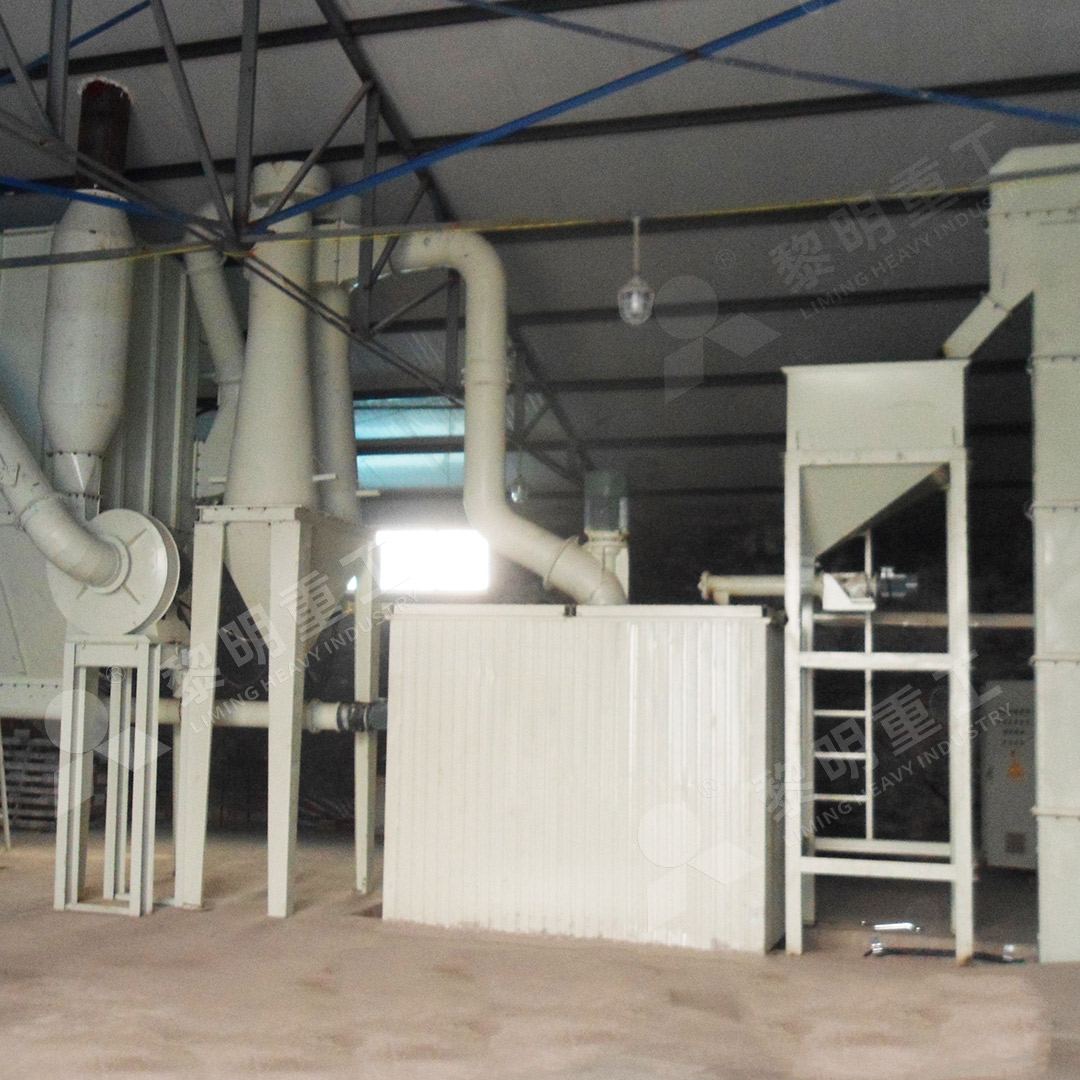
For companies looking to establish or upgrade a slag grinding operation, selecting the right mill is paramount. A highly recommended solution is our MW Ultrafine Grinding Mill. This machine is specifically engineered for customers who need to make ultra-fine powder from materials like slag.
- Higher Yielding, Lower Energy Consumption: Its newly designed grinding curves enhance efficiency, offering production capacity 40% higher than jet mills while reducing system energy consumption by 30%.
- Adjustable Fineness: It can precisely adjust product fineness between 325-2500 meshes, which is ideal for achieving the specific surface area required for premium slag cement.
- Eco-Friendly Operation: Equipped with an efficient pulse dust collector and muffler, the entire milling system operates without dust pollution and with reduced noise, aligning with strict environmental standards.
An Alternative for Large-Scale Slag Processing
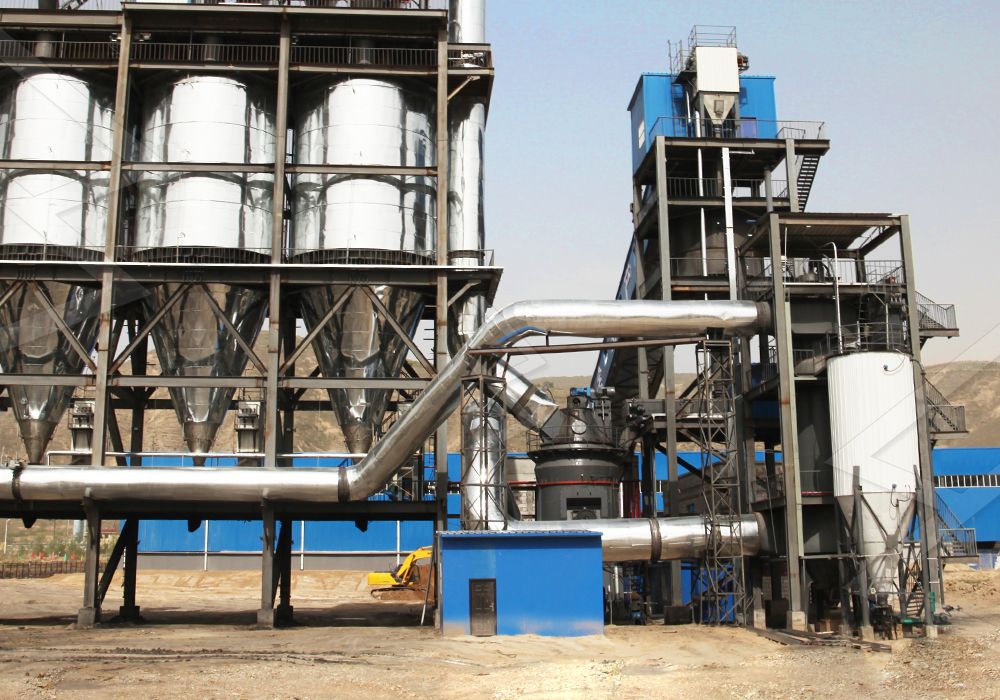
For projects requiring processing of granulated blast furnace slag on an even larger scale, our LM Vertical Slag Mill presents an exceptional alternative. This mill is a special equipment designed specifically for grinding industrial waste into powder, integrating drying, grinding, powder selection, and conveying into a single unit.
- Proven Slag Expertise: It focuses on slag milling, with a design that handles the material’s specific properties efficiently.
- Significant Cost Savings: Its vertical structure reduces the covered area by 50% and energy consumption by 30%-40% compared to traditional ball milling systems.
- Reliable & Efficient: The important parts are made of high-performance wear-resistant materials, ensuring reliable operation and long service life even with abrasive slag.
Conclusion
The presence of micronized slag grinding plants in an industrial powerhouse like Lianyungang is not only plausible but highly likely, supporting both local construction and export markets. The key to successful slag valorization lies in employing the right technology. Our MW Ultrafine Grinding Mill and LM Vertical Slag Mill represent the pinnacle of efficiency, environmental responsibility, and reliability for this critical industrial process.
Frequently Asked Questions (FAQ)
What is micronized slag used for?
Micronized slag is primarily used as a supplementary cementitious material (SCM) in concrete. It improves the concrete’s workability, long-term strength, and durability while reducing its permeability and heat of hydration. It’s a key component in producing high-performance, sustainable concrete.
Why is the fineness of grind so important for slag?
The reactivity of slag is directly related to its surface area. Finer grinding (micronizing) creates more surface area, allowing the slag to react more quickly and completely with the calcium hydroxide in cement, leading to stronger and more durable concrete.
Are these grinding mills suitable for other materials?
Absolutely. While excellent for slag, the MW Ultrafine Grinding Mill is also designed for limestone, calcite, dolomite, barite, and other non-metallic minerals. The LM Vertical Slag Mill is also adept at handling cement clinker and other industrial wastes.
How does the MW Mill handle dust and noise?
The MW Mill is equipped with an integrated efficient pulse dust collector that ensures no dust pollution escapes during operation. Furthermore, a muffler and noise elimination room are configured to significantly reduce operational噪音, ensuring full compliance with environmental standards.