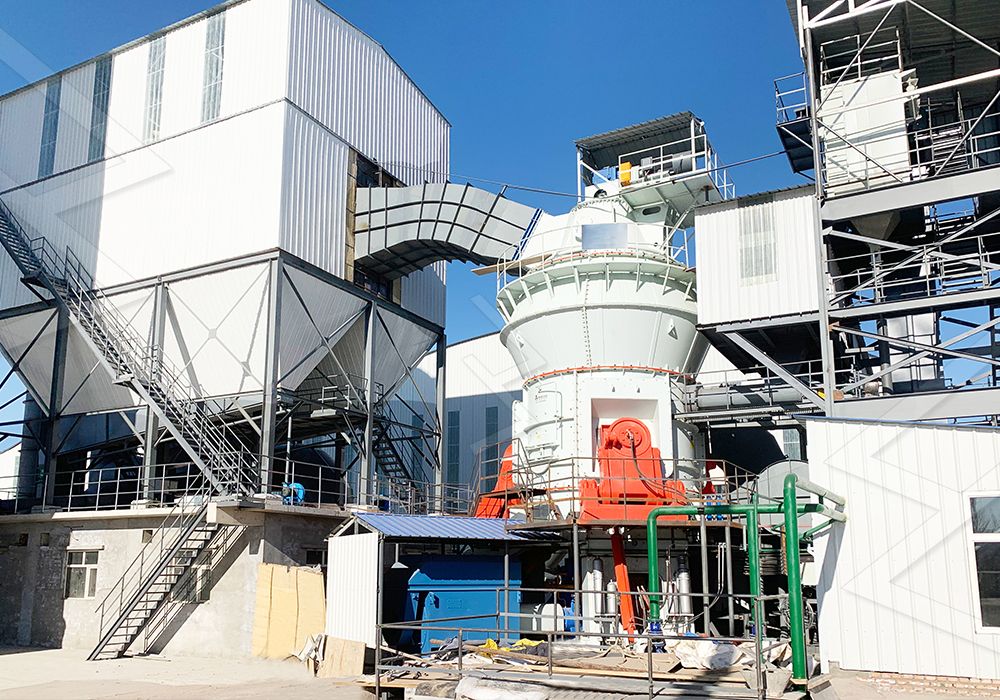
Iron Slag Vertical Roller Mill Price and Key Factors Affecting Cost
We provide a wide range of mills — including Raymond mill, trapezoidal mill, vertical mill, ultrafine mill, and ball mill, obtained ISO9001 international quality certification, EU CE certification, and Customs Union CU-TR certification. Suitable for processing minerals such as limestone, phosphate, quicklime, kaolin, talc, barite, bentonite, calcium carbonate, dolomite, coal, gypsum, clay, carbon black, slag, cement raw materials, cement clinker, and more.
The discharge range of these mills can be adjusted to meet specific processing needs, typically from 80-400 mesh, 600-3250 mesh, and can achieve the finest particle size of up to 6000 mesh(D50).
If you are looking for a reliable grinding solution to turn stone or minerals into fine powder, please feel free to contact our online customer service.
Iron Slag Vertical Roller Mill Price and Key Factors Affecting Cost
When considering the investment in an iron slag vertical roller mill, understanding the price structure and the variables that influence it is crucial for making an informed decision. The initial purchase price is just one component of the total cost of ownership. Several key factors interplay to determine the final investment required and the long-term operational economics.
Key Factors Influencing the Mill’s Cost
1. Capacity and Throughput Requirements: The required processing capacity, measured in tons per hour (tph), is a primary cost driver. A mill designed for 100t/h will command a significantly higher price than one rated for 20t/h due to the larger size of components, more powerful motors, and sturdier construction.
2. Technical Specifications and Features: Advanced features like automated control systems, high-efficiency classifiers, sophisticated hydraulic systems, and innovative grinding curves all add to the manufacturing cost but can drastically improve efficiency and reduce operating expenses.
3. Material of Construction: Grinding iron slag is an abrasive process. Mills equipped with superior wear-resistant alloys for the grinding rollers, table liners, and other vulnerable parts will have a higher initial cost but offer vastly extended service life, reducing downtime and replacement part costs.
4. Ancillary Systems: The price often extends beyond the mill itself. A complete system may include jaw crushers for primary size reduction, elevators, feeders, efficient pulse jet dust collectors (like the ones we integrate), silencers, and sophisticated electrical control cabinets. These are essential for a closed, environmentally compliant operation.
5. Energy Consumption: While not a direct purchase cost, the energy efficiency of the mill is a critical long-term cost factor. A mill that consumes 30-40% less power than a traditional ball mill, like our advanced designs, pays for itself over time through drastically reduced electricity bills.
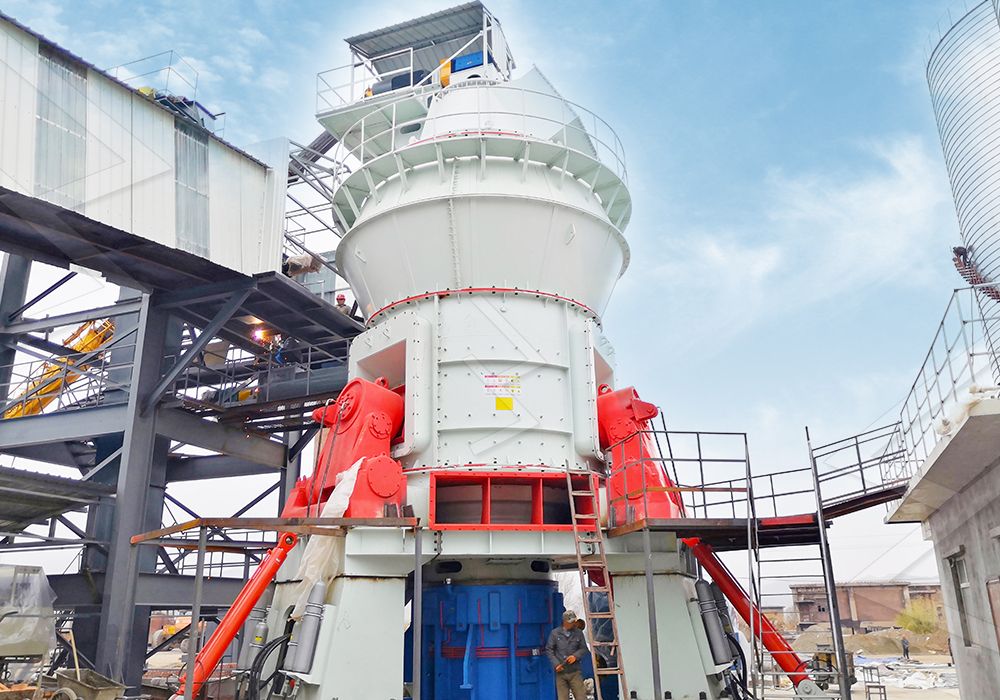
Beyond the Price Tag: Total Cost of Ownership
A savvy buyer looks beyond the sticker price. The real cost is measured over the mill’s entire lifecycle:
- Maintenance & Spare Parts: Easy access for maintenance, reliable spare part supply, and designs that minimize wear are paramount. For instance, our LM Vertical Slag Mill is a standout choice here. It integrates drying, grinding, and powder selection, reducing the number of moving parts and system complexity. Its design allows the grinding roller to be turned out hydraulically for easy maintenance, and we guarantee a sufficient supply of original spare parts for worry-free, long-term operation.
- Downtime: Unplanned shutdowns are incredibly costly. Reliability, driven by digitalized processing for high precision and robust design, is a feature that pays dividends.
- Environmental Compliance: Modern mills must operate with minimal dust and noise. Systems with integrated high-efficiency pulse dust collectors and mufflers, which are standard on our equipment, prevent costly fines and shutdowns.
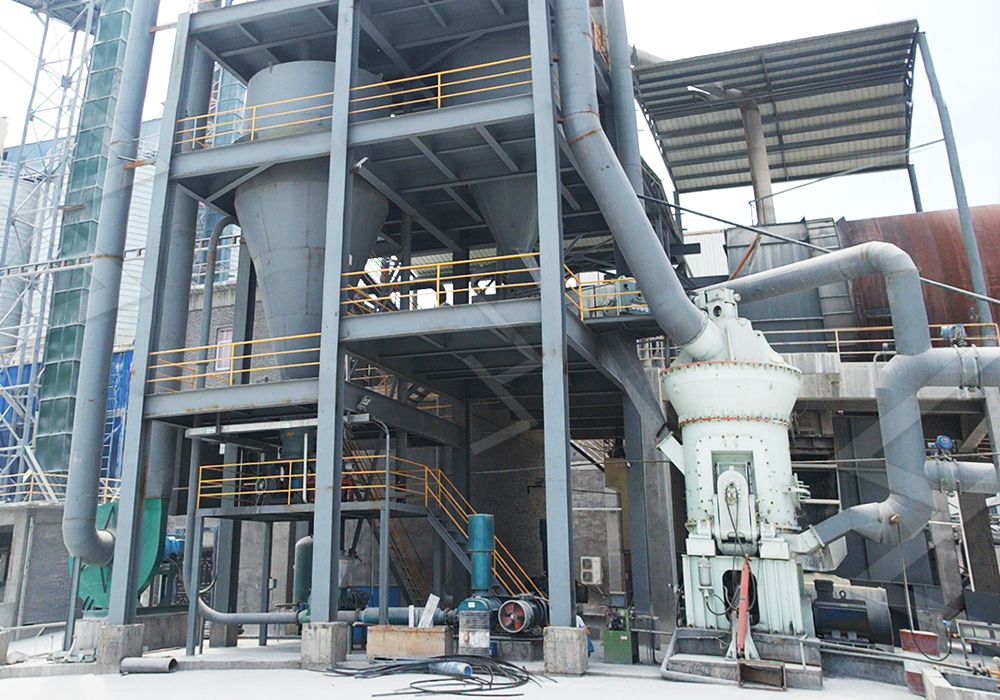
Choosing the Right Equipment for Iron Slag
For iron slag processing, vertical roller mills are the preferred technology due to their higher efficiency and lower energy consumption compared to ball mills. When evaluating options, consider mills specifically designed or adapted for slag’s abrasive properties.
Another excellent solution from our portfolio is the MW Ultrafine Grinding Mill. While often used for finer powders, its design principles are relevant. It features no rolling bearings or screws in the grinding chamber, eliminating common failure points. Its higher yielding and lower energy consumption profile, achieving 40% higher capacity with 30% less energy than some alternatives, demonstrates the engineering excellence we build into all our grinding solutions. This translates directly to a lower cost per ton of processed slag.
Conclusion
The price of an iron slag vertical roller mill is a complex equation shaped by capacity, technology, materials, and system integration. The most economical choice is rarely the cheapest upfront but the one that offers the lowest total cost of ownership through energy savings, minimal maintenance, high availability, and operational stability. Investing in a robust, efficient, and well-supported system from a reputable manufacturer like us ensures your grinding operation remains productive and profitable for years to come.