
Iron Ore Grinding Mill: Types and Selection Guide for Mineral Processing
We provide a wide range of mills — including Raymond mill, trapezoidal mill, vertical mill, ultrafine mill, and ball mill, obtained ISO9001 international quality certification, EU CE certification, and Customs Union CU-TR certification. Suitable for processing minerals such as limestone, phosphate, quicklime, kaolin, talc, barite, bentonite, calcium carbonate, dolomite, coal, gypsum, clay, carbon black, slag, cement raw materials, cement clinker, and more.
The discharge range of these mills can be adjusted to meet specific processing needs, typically from 80-400 mesh, 600-3250 mesh, and can achieve the finest particle size of up to 6000 mesh(D50).
If you are looking for a reliable grinding solution to turn stone or minerals into fine powder, please feel free to contact our online customer service.
Iron Ore Grinding Mill: Types and Selection Guide for Mineral Processing
Grinding is a critical stage in iron ore processing, directly impacting the efficiency of downstream beneficiation processes like magnetic separation and flotation. Selecting the right grinding mill is paramount for achieving optimal liberation of iron minerals from gangue while controlling operational costs. The choice depends on factors such as feed size, required product fineness, capacity, and moisture content.
Common Types of Grinding Mills for Iron Ore
Several mill types are employed in the industry, each with its own advantages and ideal application range.
Ball Mills
The traditional workhorse for ore grinding. Ball mills are robust, relatively simple to operate, and suitable for both wet and dry grinding. They excel in producing a relatively coarse product but can be inefficient for achieving very fine grinds due to high energy consumption and increased media wear. They are a common choice for primary grinding stages.
Raymond Mills (Roller Mills)
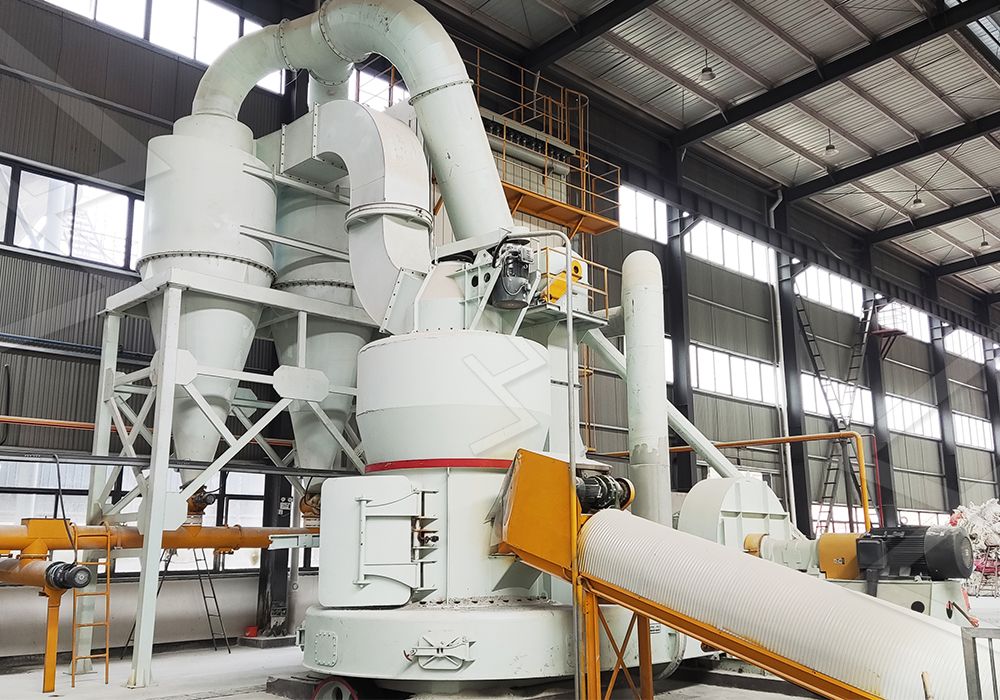
Well-suited for medium to fine grinding of non-metallic minerals and coal, Raymond mills offer lower investment costs and are compact. However, for hard abrasive materials like iron ore, roller and ring wear can be significant, increasing maintenance costs and potential iron contamination. They are often used for smaller capacity requirements or softer ores.
Vertical Roller Mills (VRM)
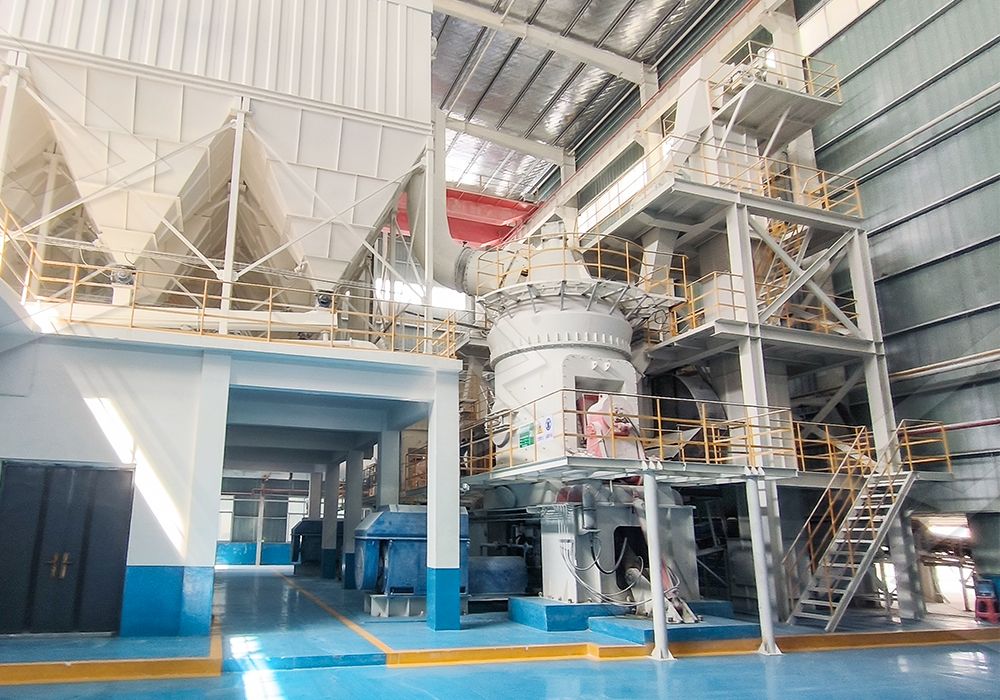
VRMs have gained significant traction in the mining industry due to their higher energy efficiency compared to ball mills. They integrate drying, grinding, and classification in a single unit, making them ideal for moist feeds. Their compact footprint is another advantage. Models like the LM Vertical Grinding Mill are designed to handle capacities from 3 to 340 tph with input sizes up to 70mm, making them a versatile choice for large-scale iron ore processing lines.
The Push for Ultrafine Grinding and Advanced Liberation
As ore grades decline and ores become more complex, achieving finer grinds for better liberation is increasingly important. This is where advanced ultrafine grinding technologies come into play.
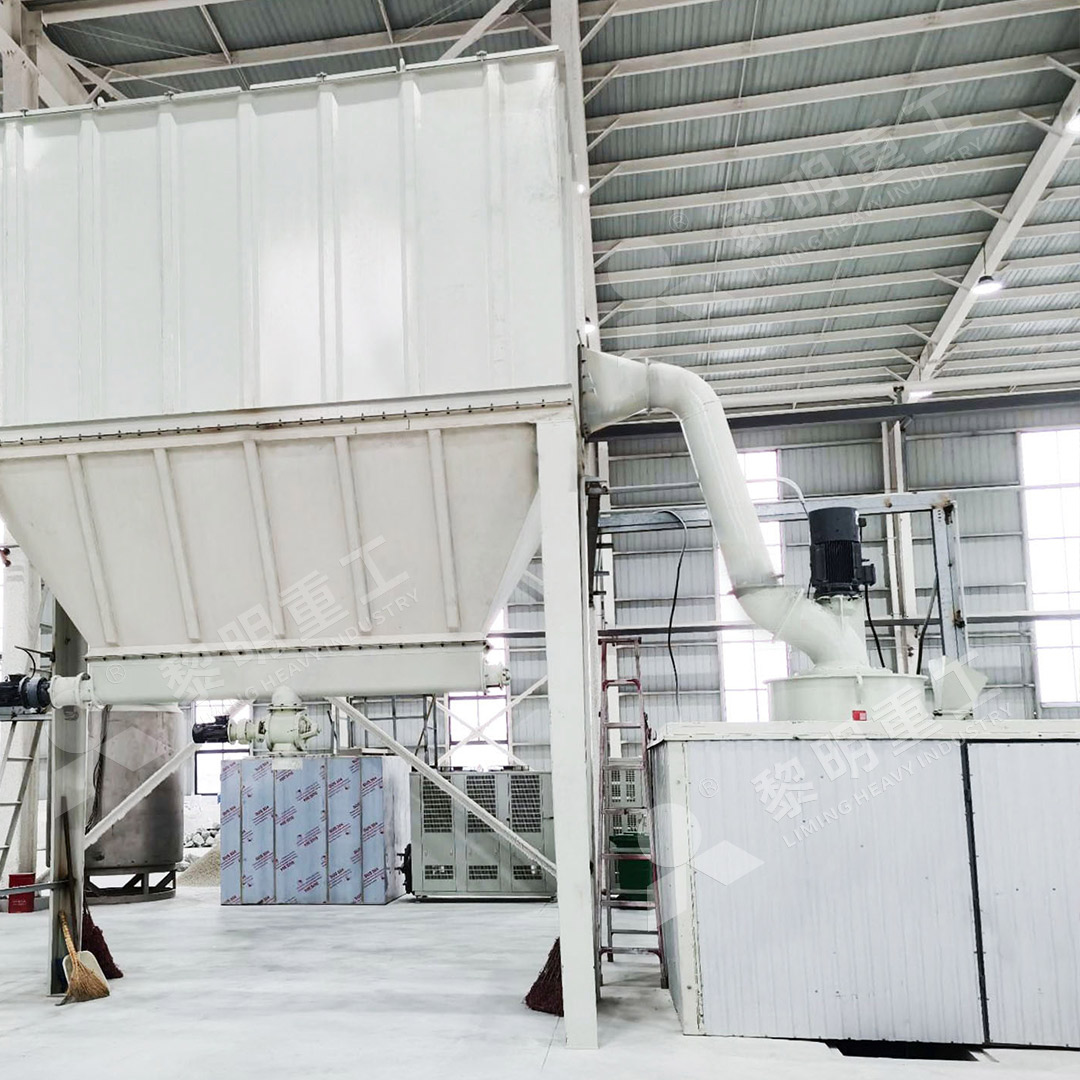
For operations requiring ultra-fine powders in the range of 325 to 2500 meshes, the MW Ultrafine Grinding Mill is an exceptional solution. Engineered for customers who need to make ultra-fine powder, this mill is designed for higher yielding and lower energy consumption. It features a newly designed grinding curve for rollers and rings that enhances efficiency—offering production capacity 40% higher than jet mills and twice that of ball mills for the same fineness and power, while reducing system energy consumption by 30%. A key design advantage is the absence of rolling bearings and screws in the grinding chamber, eliminating worries about bearing damage or machine failure from loose screws. Furthermore, it is equipped with an efficient pulse dust collector and muffler, ensuring an eco-friendly operation with minimal dust and noise pollution.
Key Selection Considerations
- Feed Size: Match the mill’s maximum feed size (e.g., 0-20mm for MW Mill, 0-70mm for LM Mill) to your crusher’s product.
- Capacity: Ensure the mill’s throughput (e.g., 0.5-25 tph for MW, 3-340 tph for LM) meets your plant’s requirements.
- Product Fineness: Determine the target grind size (e.g., MW Mill adjusts between 325-2500 meshes) needed for effective downstream separation.
- Operating Costs: Evaluate energy efficiency, wear part consumption, and maintenance requirements. Mills like the MW and LM series are designed for lower energy use and easier maintenance.
- Moisture Content: If dealing with wet feed, consider mills with integrated drying capabilities like LM Vertical Mills.
Conclusion
Selecting the right iron ore grinding mill is a strategic decision that balances capital expenditure with long-term operating costs and product quality. While ball mills remain a reliable standard, Vertical Roller Mills offer superior efficiency for larger operations. For producers aiming to unlock value from complex ores through ultrafine grinding, advanced solutions like the MW Ultrafine Grinding Mill provide the necessary precision, efficiency, and environmental compliance. Always consult with equipment manufacturers to test your specific ore and select the mill that best aligns with your overall process flow and economic goals.