
Iron and Steel Slag Processing Grinding Mills in Indonesia: Types, Applications, and Suppliers
We provide a wide range of mills — including Raymond mill, trapezoidal mill, vertical mill, ultrafine mill, and ball mill, obtained ISO9001 international quality certification, EU CE certification, and Customs Union CU-TR certification. Suitable for processing minerals such as limestone, phosphate, quicklime, kaolin, talc, barite, bentonite, calcium carbonate, dolomite, coal, gypsum, clay, carbon black, slag, cement raw materials, cement clinker, and more.
The discharge range of these mills can be adjusted to meet specific processing needs, typically from 80-400 mesh, 600-3250 mesh, and can achieve the finest particle size of up to 6000 mesh(D50).
If you are looking for a reliable grinding solution to turn stone or minerals into fine powder, please feel free to contact our online customer service.
Iron and Steel Slag Processing Grinding Mills in Indonesia: Types, Applications, and Suppliers
The Indonesian steel industry is a significant contributor to the nation’s economy, and with it comes the generation of substantial by-products like iron and steel slag. Efficiently processing this slag is crucial for environmental sustainability and economic value addition. Grinding mills play a pivotal role in transforming this waste into valuable materials for construction, cement production, and other applications. This article explores the types of grinding mills suitable for slag processing in Indonesia, their applications, and highlights a leading supplier in the region.
Why Process Slag?
Slag, a by-product of steelmaking, was once considered mere waste. However, when ground into fine powder, it exhibits excellent cementitious properties. Ground Granulated Blast Furnace Slag (GGBFS) is a prime example, widely used as a supplementary cementitious material (SCM) in concrete. Its use improves concrete’s workability, durability, and resistance to chemical attack, while significantly reducing the carbon footprint associated with traditional Portland cement production. Processing slag into this usable form requires robust and efficient grinding equipment.
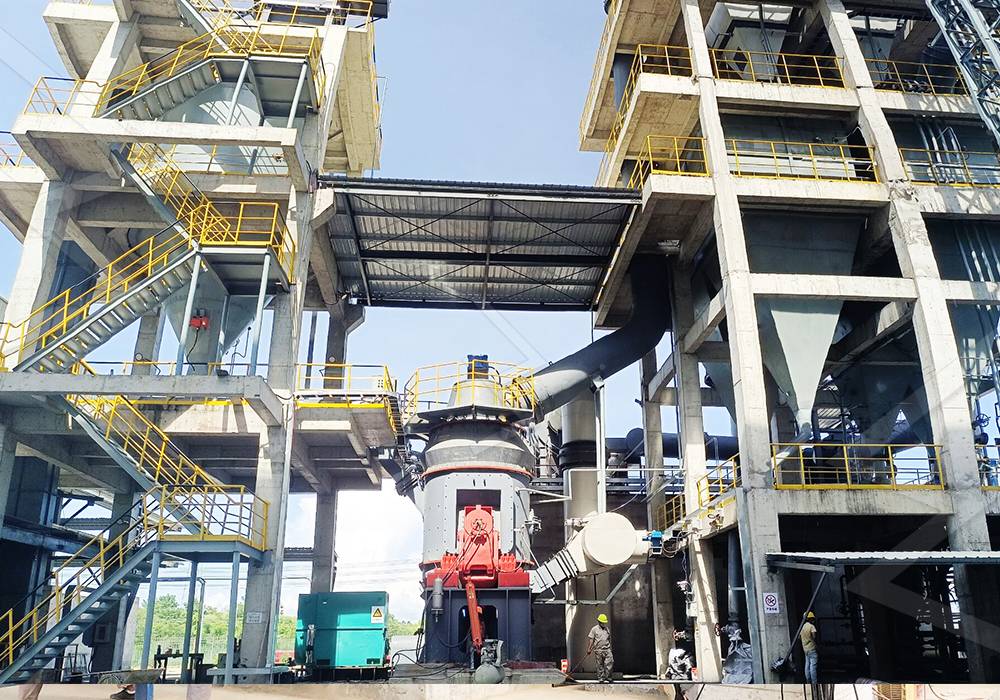
Key Types of Grinding Mills for Slag Processing
Selecting the right mill depends on factors like desired fineness, capacity, moisture content, and energy consumption. Here are some common types used in slag processing:
1. Vertical Roller Mills (VRM)
VRMs are highly efficient and the most common choice for slag grinding. They integrate drying, grinding, and classification in a single unit. Their ability to handle moist materials and their lower energy consumption compared to ball mills make them ideal for large-scale slag processing plants.
2. Ball Mills
A traditional and reliable workhorse, ball mills are known for their robustness and ability to achieve a consistent product quality. While their energy efficiency is generally lower than VRMs, they remain a viable option for many applications, especially when coupled with high-efficiency separators.
3. Raymond Mills (Roller Mills)
These mills are suitable for producing coarser powders. They are often used for preliminary size reduction or in applications where extremely high fineness is not the primary requirement. They offer a lower initial investment cost.
Leading Technology for Superior Results
For operations demanding ultra-fine powder with high efficiency and minimal environmental impact, advanced grinding solutions are paramount. A standout peice of equipment in this category is the MW Ultrafine Grinding Mill.
The MW series is expertly designed for customers needing to make ultra-fine powder from materials like slag. It handles an input size of 0-20 mm with a capacity ranging from 0.5 to 25 tons per hour. A key advantage for environmentally conscious operations in Indonesia is its integrated efficient pulse dust collector and muffler, which drastically reduce dust and noise pollution, ensuring the entire production process meets strict environmental standards.
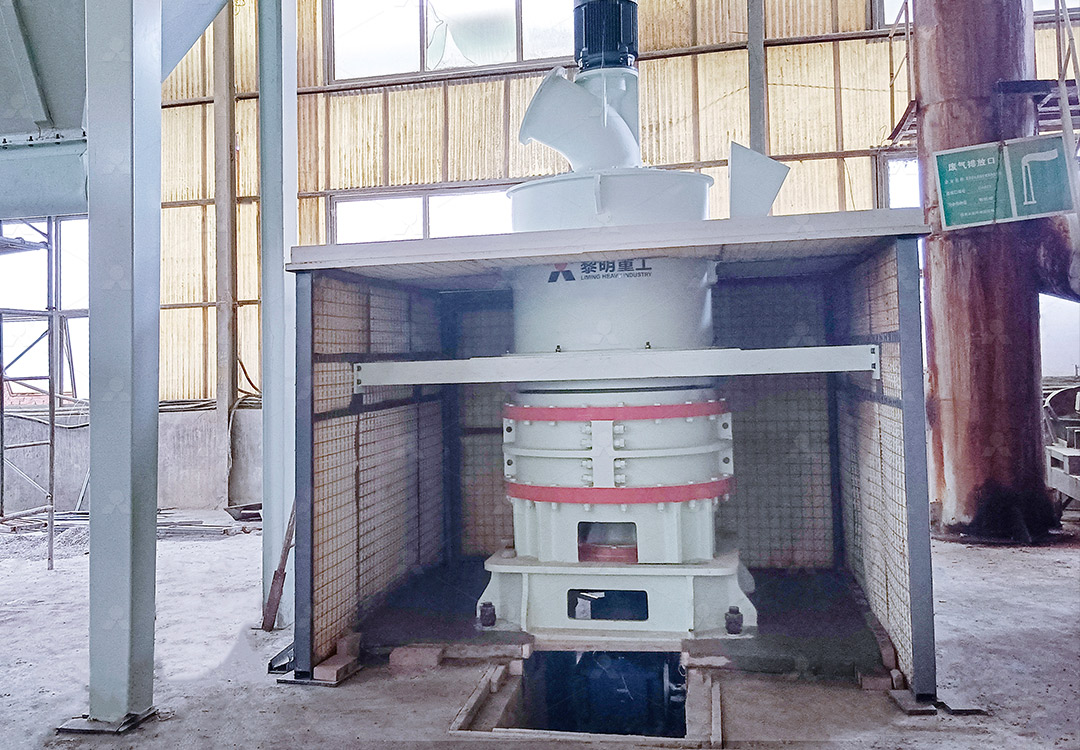
Its features make it exceptionally suited for slag processing:
- Higher Yielding, Lower Energy Consumption: Its newly designed grinding curves enhance efficiency, offering 40% higher capacity than jet mills while using only 30% of the energy.
- Adjustable Fineness (325-2500 meshes): A German-technology cage-type powder selector allows precise control over the final product’s fineness, crucial for meeting various application specifications for slag powder.
- Worry-Free Operation: The absence of rolling bearings and screws in the grinding chamber eliminates common failure points. External lubrication allows for 24/7 continuous operation, maximizing uptime.
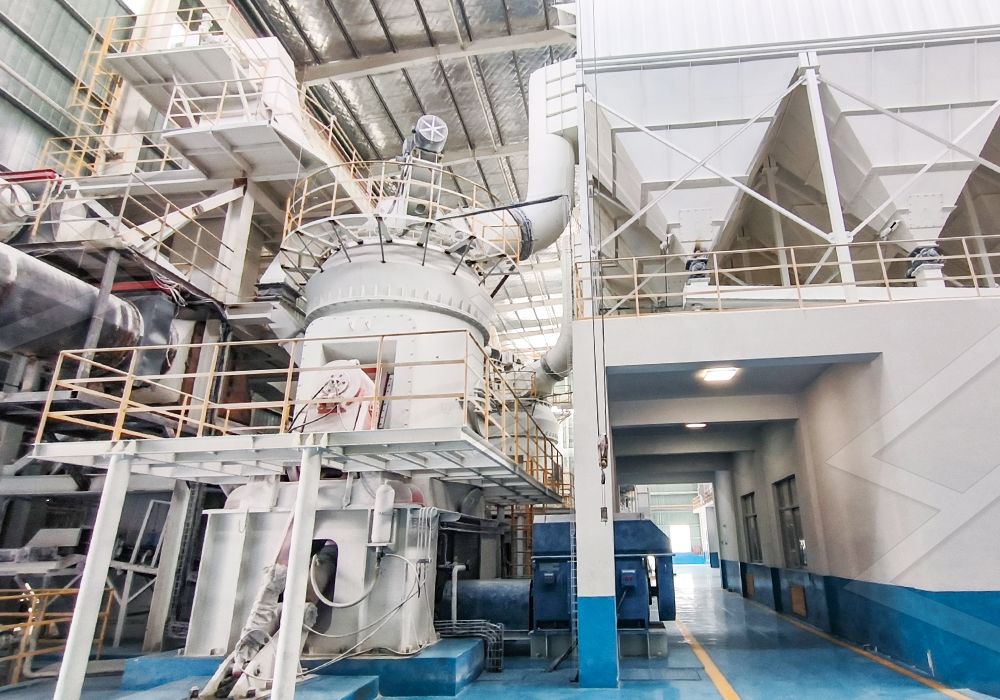
For projects requiring a vertical configuration with similar advanced features, the LUM Ultrafine Vertical Grinding Mill is another excellent choice. It integrates the latest grinding roller and powder separating technology, offering high yielding rates, better product quality, and remarkable energy savings of 30%-50%. Its reversible structure simplifies maintenance, making it a reliable and efficient solution for modern slag processing plants.
Applications of Processed Slag in Indonesia
The processed slag finds extensive use in:
- Construction: As a key component in producing high-performance, durable concrete for infrastructure projects.
- Cement Industry: As a raw material blend or directly as GGBFS to create blended cements.
- Road Construction: Used as a stable and sustainable aggregate base material.
- Agriculture: To correct soil pH and provide essential nutrients.
Choosing a Reliable Supplier
When investing in grinding equipment, partnering with a reputable supplier is critical. Look for a company that offers not only high-quality machinery but also comprehensive technical support, reliable spare parts supply, and local service capabilities. LIMING Heavy Industry, with its proven track record and a wide range of products like the MW and LUM mills, stands as a trusted partner for many industries in Indonesia and globally, ensuring worry-free operation and long-term productivity for slag processing ventures.