Investment Cost Analysis of Coal Mills in Xinjiang Power Plants: Key Factors and Budget Planning
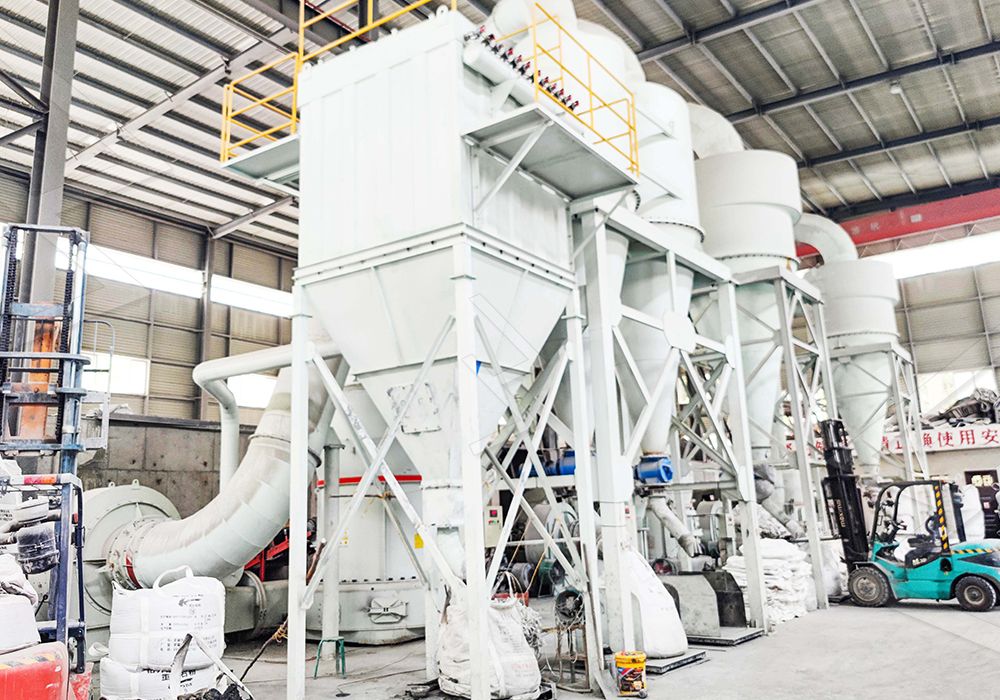
We provide a wide range of mills — including Raymond mill, trapezoidal mill, vertical mill, ultrafine mill, and ball mill, obtained ISO9001 international quality certification, EU CE certification, and Customs Union CU-TR certification. Suitable for processing minerals such as limestone, phosphate, quicklime, kaolin, talc, barite, bentonite, calcium carbonate, dolomite, coal, gypsum, clay, carbon black, slag, cement raw materials, cement clinker, and more.
The discharge range of these mills can be adjusted to meet specific processing needs, typically from 80-400 mesh, 600-3250 mesh, and can achieve the finest particle size of up to 6000 mesh(D50).
If you are looking for a reliable grinding solution to turn stone or minerals into fine powder, please feel free to contact our online customer service.
Investment Cost Analysis of Coal Mills in Xinjiang Power Plants: Key Factors and Budget Planning
Coal milling is a critical process in the operation of thermal power plants, particularly in regions like Xinjiang where coal remains a primary energy source. The efficieny and reliability of the coal grinding system directly impact fuel costs, plant availability, and overall operational expenditure. A thorough investment cost analysis is therefore essential for any new project or retrofit in this sector.
Key Cost Factors in Coal Mill Selection
When planning the budget for a coal mill system in a Xinjiang power plant, several factors must be weighed carefully. The initial purchase price is just the beginning; the total cost of ownership (TCO) over the equipment’s lifespan is the true metric for evaluation.
1. Capital Expenditure (CAPEX): This includes the cost of the mill itself, auxiliary equipment (feeders, crushers, classifiers), installation, and civil works. The mill’s capacity (tph) and technological sophistication are the primary drivers here.
2. Operational Expenditure (OPEX): This is often where the real financial battle is won or lost. Key components include:
- Energy Consumption: Grinding is an energy-intensive process. Mills with higher grinding efficiency can lead to massive savings on electricity bills.
- Wear Part Consumption: The cost and frequency of replacing rollers, rings, and liners significantly affect long-term OPEX.
- Maintenance Labor: Designs that allow for easy, quick maintenance reduce downtime and labor costs.
- Dust Collection & Environmental Compliance: Fines for non-compliance and the cost of running dust collection systems must be factored in.
Budget Planning and Technology Considerations
For power plants in Xinjiang, dealing with specific regional coal characteristics, selecting the right technology is paramount. Older technologies like ball mills, while having a lower initial cost, often result in higher energy consumption and maintenance costs. Modern vertical roller mills (VRMs) and specialized coal mills offer a better TCO despite a higher upfront investment.
A crucial consideration is the mill’s ability to handle the desired feed size and produce a consistently fine powder for optimal combustion. This is where advanced grinding solutions prove their worth.
Recommended Solution: LM Vertical Coal Mill
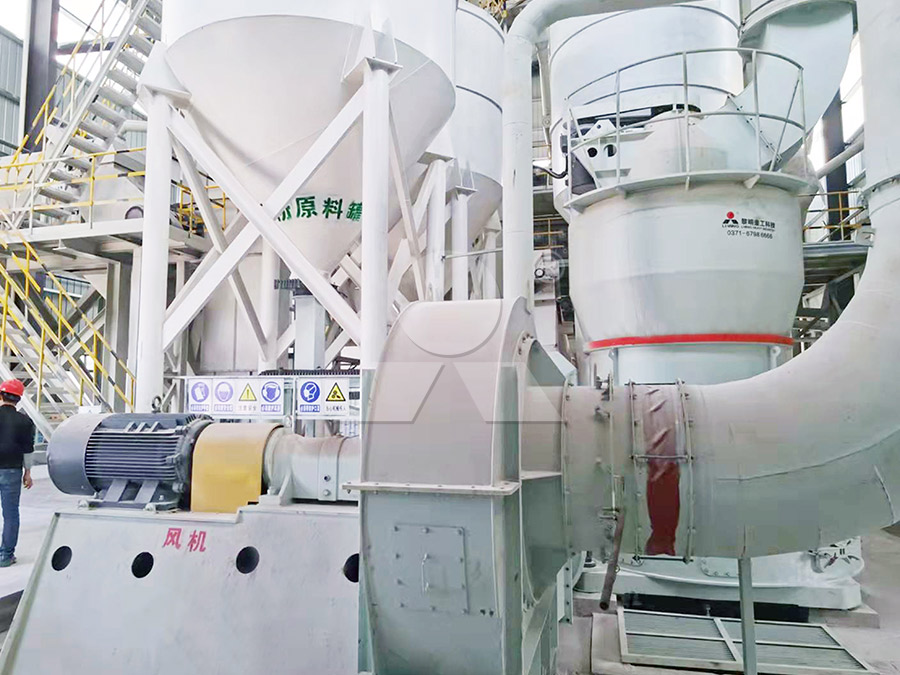
Based on the operational challenges and cost factors prevalent in Xinjiang, our LM Vertical Coal Mill presents an optimal solution for balancing CAPEX and OPEX. This mill is specifically engineered for grinding pulverized coal, integrating drying, grinding, powder selection, and conveying into a single, compact unit.
Its key advantages for power plant applications include:
- High Grinding Efficiency & Low Energy Use: Saves 40%-50% power consumption compared to traditional ball mills, drastically reducing the largest portion of OPEX.
- Simple and Reliable Operation: Features like a hydraulic roller turning-out device allow for easy maintenance and quick replacement of wear parts, minimizing downtime.
- Stable Product Quality: Produces coal powder with a narrow particle size distribution and good fluidity, leading to more efficient and stable combustion in the boiler.
- Environmental Compliance: The entire system operates under negative pressure, ensuring no dust spillage and a cleaner plant environment.
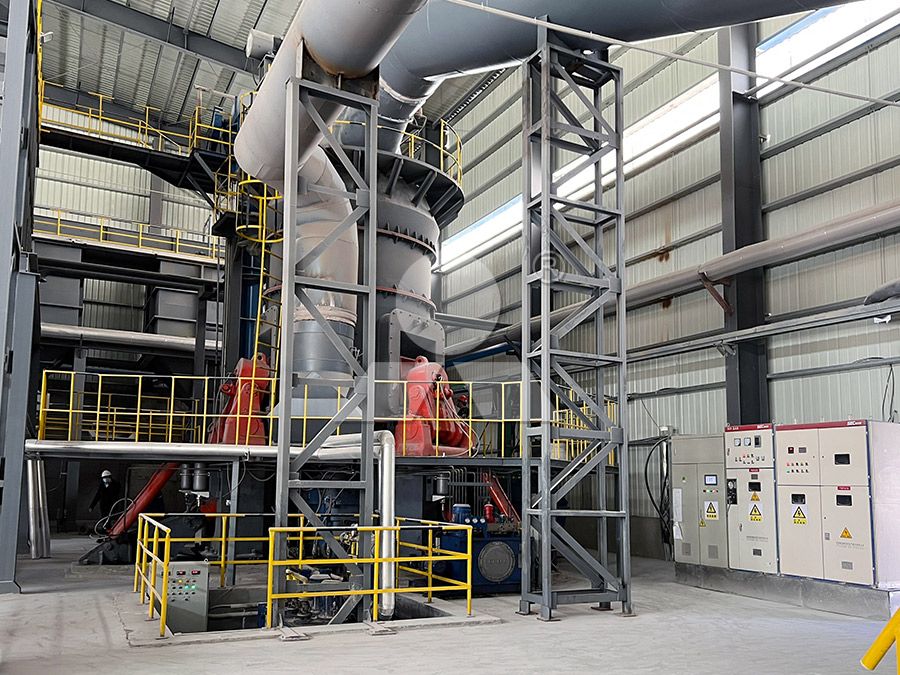
For projects requiring ultra-fine pulverization of other materials or where space is an extreme constraint, our MW Ultrafine Grinding Mill is another formidable option. With an input size of 0-20mm and capacity ranging from 0.5 to 25 tph, it excels in producing high-purity powders with its advanced powder selection technology and eco-friendly operation, thanks to an efficient pulse dust collector.
Conclusion
Investing in the right coal milling technology is a strategic decision for any Xinjiang power plant. A comprehensive analysis that looks beyond the initial price tag to evaluate energy consumption, maintenance needs, and environmental costs will reveal the most economically viable option. Solutions like the LM Vertical Coal Mill are designed to deliver lower total cost of ownership, ensuring the plant remains competitive, efficient, and compliant for years to come. Proper budget planning must allocate funds not just for acquisition, but for a partnership with a supplier that provides robust technical support and genuine spare parts.