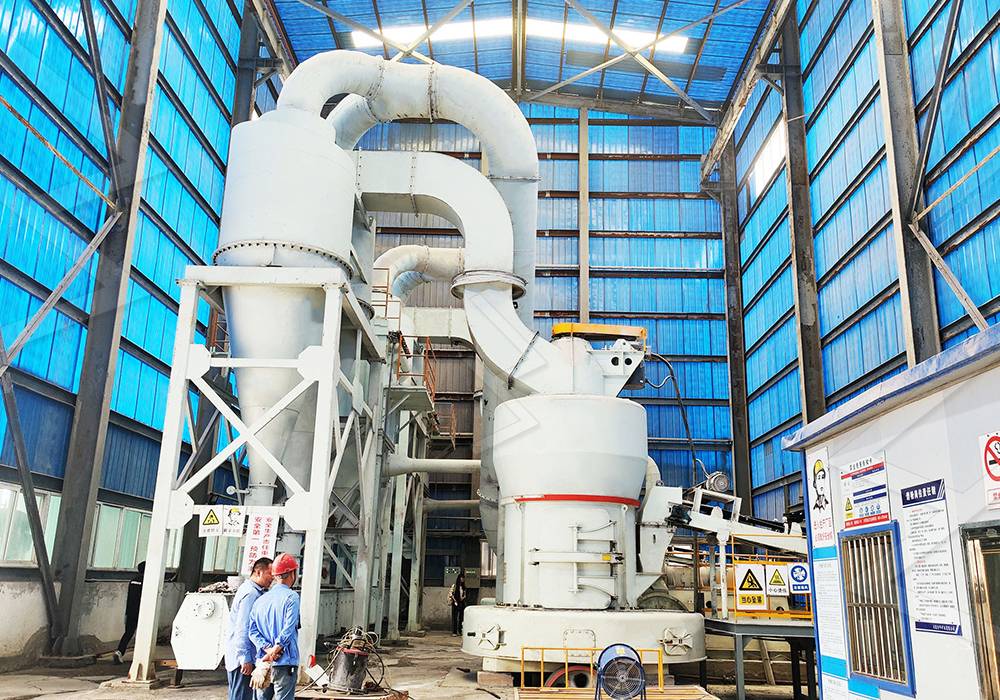
Investment Cost Analysis of Coal Mills for Power Plants in Xinjiang
We provide a wide range of mills — including Raymond mill, trapezoidal mill, vertical mill, ultrafine mill, and ball mill, obtained ISO9001 international quality certification, EU CE certification, and Customs Union CU-TR certification. Suitable for processing minerals such as limestone, phosphate, quicklime, kaolin, talc, barite, bentonite, calcium carbonate, dolomite, coal, gypsum, clay, carbon black, slag, cement raw materials, cement clinker, and more.
The discharge range of these mills can be adjusted to meet specific processing needs, typically from 80-400 mesh, 600-3250 mesh, and can achieve the finest particle size of up to 6000 mesh(D50).
If you are looking for a reliable grinding solution to turn stone or minerals into fine powder, please feel free to contact our online customer service.
Investment Cost Analysis of Coal Mills for Power Plants in Xinjiang
Power generation in Xinjiang relies heavily on coal, making the efficieny and reliability of coal milling equipment a critical factor in operational profitability. Selecting the right coal mill involves a thorough analysis of not only the initial capital outlay but also long-term operational expenditures, including energy consumption, maintenance downtime, and spare parts availability.
Key Cost Factors in Coal Mill Selection
The total investment cost extends far beyond the purchase price of the mill itself. Key considerations include:
- Energy Consumption: Mills with higher grinding efficiency directly reduce electricity costs, a significant portion of the operating budget.
- Maintenance & Downtime: Equipment designed for easy maintenance and with longer-lasting wear parts minimizes production losses and repair costs.
- Environmental Compliance: Modern plants must invest in solutions that control dust and noise to meet stringent environmental regulations, avoiding potential fines.
- Space & Foundation: Compact mill designs with integrated systems can reduce civil construction costs and plant footprint.
- Spare Parts Logistics: Reliable local technical support and a guaranteed supply of original spare parts are crucial in remote locations like Xinjiang to prevent extended shutdowns.
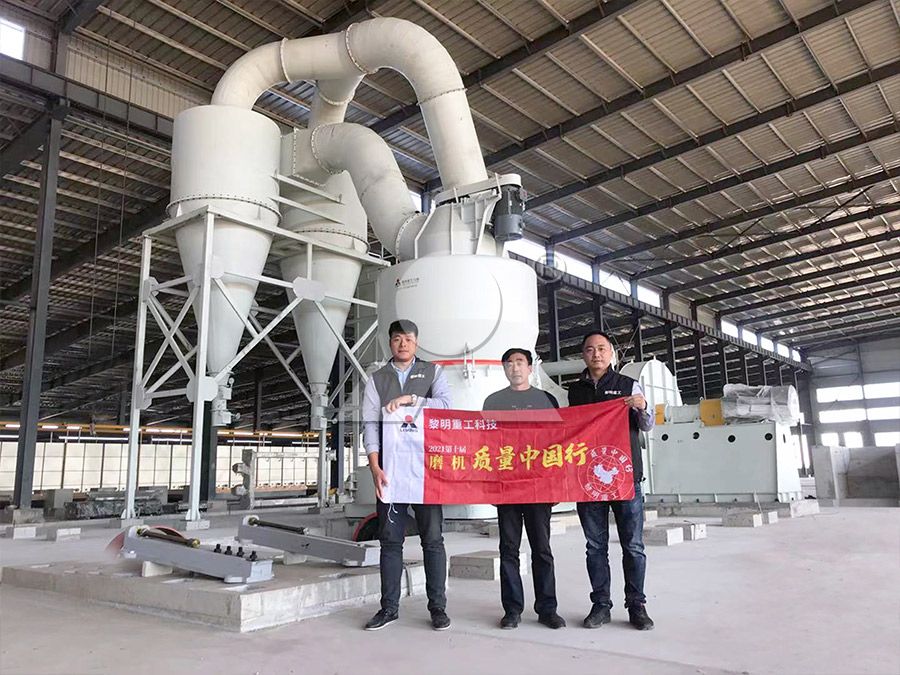
Recommended Solution for Xinjiang Operations
Based on the region’s specific needs for reliability, efficiency, and environmental compliance, we highly recommend our LM Vertical Coal Mill. This mill is engineered to excel in the exact conditions presented by power generation in Xinjiang.
The LM Vertical Coal Mill integrates crushing, drying, grinding, and powder selection in a single unit, dramatically simplifying the process flow and reducing the initial infrastructure investment. Its compact vertical structure occupies up to 50% less space than traditional ball mill systems, significantly cutting down on construction costs. More importantly, its grinding efficiency is exceptional, consuming 40%-50% less power than a ball mill of equivalent capacity—a direct and substantial reduction in the largest operational cost.
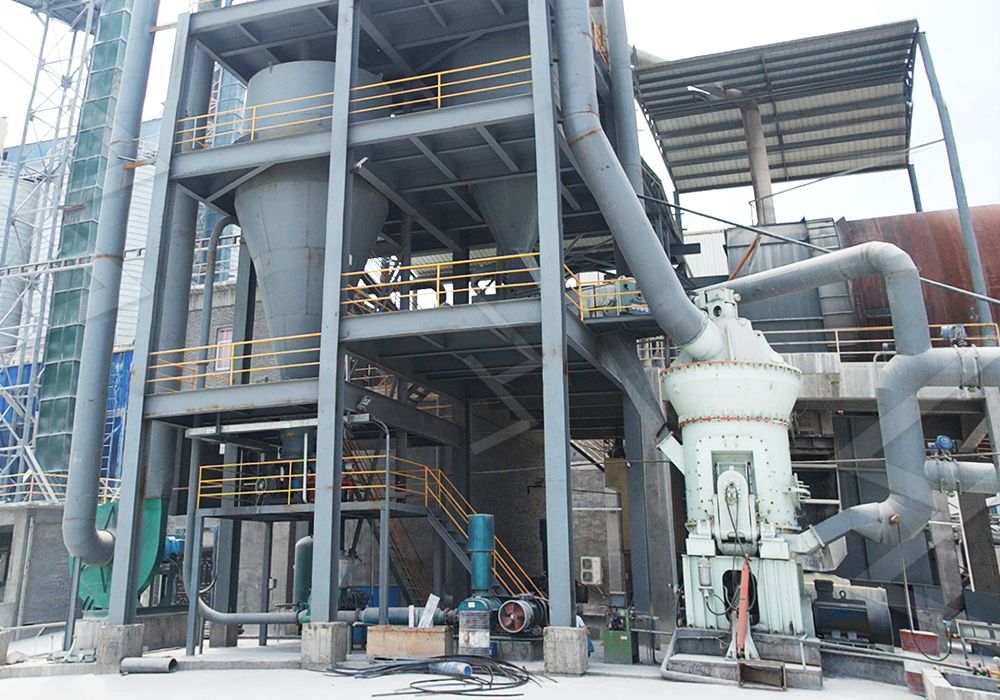
For power plants requiring ultra-fine pulverized coal for advanced combustion systems, our MW Ultrafine Grinding Mill presents an outstanding solution. With an adjustable fineness between 325-2500 meshes and a capacity of 0.5-25 tph, it is perfect for specialized applications. A key feature for operational cost savings is its external lubrication system, allowing for maintenance without shutdowns, enabling continuous 24/7 production. Furthermore, its efficient pulse dust collector and muffler ensure that the entire milling process is clean and quiet, fully adhering to national environmental protection standards and safeguarding the surrounding environment.
Conclusion: A Long-Term Investment Perspective
For power plant developers and operators in Xinjiang, the choice of coal milling technology should be viewed through the lens of life-cycle cost, not just initial purchase price. Investing in advanced, integrated mills like the LM Vertical Coal Mill or the MW Ultrafine Grinding Mill leads to significantly lower energy bills, reduced maintenance expenses, and guaranteed environmental compliance. This strategic approach ensures not only lower cost per ton of processed coal but also greater plant availability and profitability for years to come.