
Introduction to Energy-Saving Limestone Grinding Mills and Powder Processing Equipment
We provide a wide range of mills — including Raymond mill, trapezoidal mill, vertical mill, ultrafine mill, and ball mill, obtained ISO9001 international quality certification, EU CE certification, and Customs Union CU-TR certification. Suitable for processing minerals such as limestone, phosphate, quicklime, kaolin, talc, barite, bentonite, calcium carbonate, dolomite, coal, gypsum, clay, carbon black, slag, cement raw materials, cement clinker, and more.
The discharge range of these mills can be adjusted to meet specific processing needs, typically from 80-400 mesh, 600-3250 mesh, and can achieve the finest particle size of up to 6000 mesh(D50).
If you are looking for a reliable grinding solution to turn stone or minerals into fine powder, please feel free to contact our online customer service.
Introduction to Energy-Saving Limestone Grinding Mills and Powder Processing Equipment
In today’s industrial landscape, the demand for fine and ultra-fine powders from minerals like limestone is skyrocketing, driven by sectors such as construction, chemicals, paints, and agriculture. However, traditional grinding methods are often synonymous with exorbitant energy consumption, significant environmental footprint, and high operational costs. The industry is therefore pivoting towards more advanced, energy-efficient milling solutions that deliver superior product quality while adhering to stringent environmental regulations.
Energy-saving grinding mills are engineered to tackle the core inefficiencies of older systems. They achieve this through innovative designs that optimize the grinding process, minimize wasted energy as heat and noise, and incorporate sophisticated dust collection systems. For operations processing limestone—a material valued for its whiteness and purity—selecting the right equipment is paramount to profitability and sustainability.
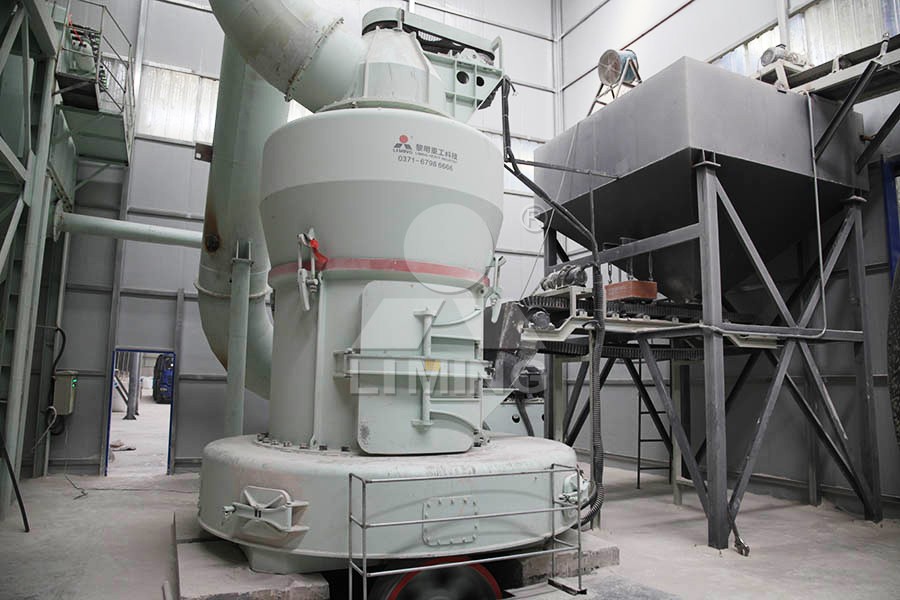
Key Challenges in Traditional Limestone Grinding
Conventional ball mills or early-generation Raymond mills often present several drawbacks:
- High Energy Consumption: They are notoriously inefficient, converting a large portion of input energy into heat and sound rather than productive grinding force.
- Dust and Noise Pollution: Open systems lead to significant dust emission, creating health hazards and environmental issues, while noise levels can be disruptive.
- Limited Fineness Control: Achieving consistent, high-fineness powder (e.g., 800+ meshes) is difficult and often requires multiple passes, further increasing energy use.
- High Maintenance: Components like rolling bearings and screws within the grinding chamber are prone to wear and failure, leading to costly downtime.
The Path to Efficiency: Modern Grinding Technology
The latest generation of grinding mills addresses these challenges head-on. A prime example is our MW Ultrafine Grinding Mill, a pinnacle of efficiency designed for customers requiring ultra-fine powder. This machine is a game-changer for limestone processing, boasting features that set it apart:
- Higher Yielding, Lower Energy Consumption: Its newly designed grinding curves enhance efficiency dramatically. With the same fineness and power, its production capacity is 40% higher than jet mills and double that of ball mills, while system energy consumption is slashed to just 30% of a jet mill’s.
- Adjustable Fineness (325-2500 meshes): A German-technology, cage-type powder selector ensures precise separation, allowing you to dial in the exact fineness required for your application, even achieving d97≤5μm in a single pass.
- Eco-Friendly Operation: An integrated efficient pulse dust collector ensures no dust pollution, while a muffler and noise elimination room significantly reduce operational noise, ensuring full compliance with national environmental standards.
- Reliable Design: A critical advantage is the absence of rolling bearings and screws in the grinding chamber. This eliminates worries about bearing damage or machine failure from loose screws. External lubrication allows for maintenance without shutdown, supporting continuous 24/7 production.
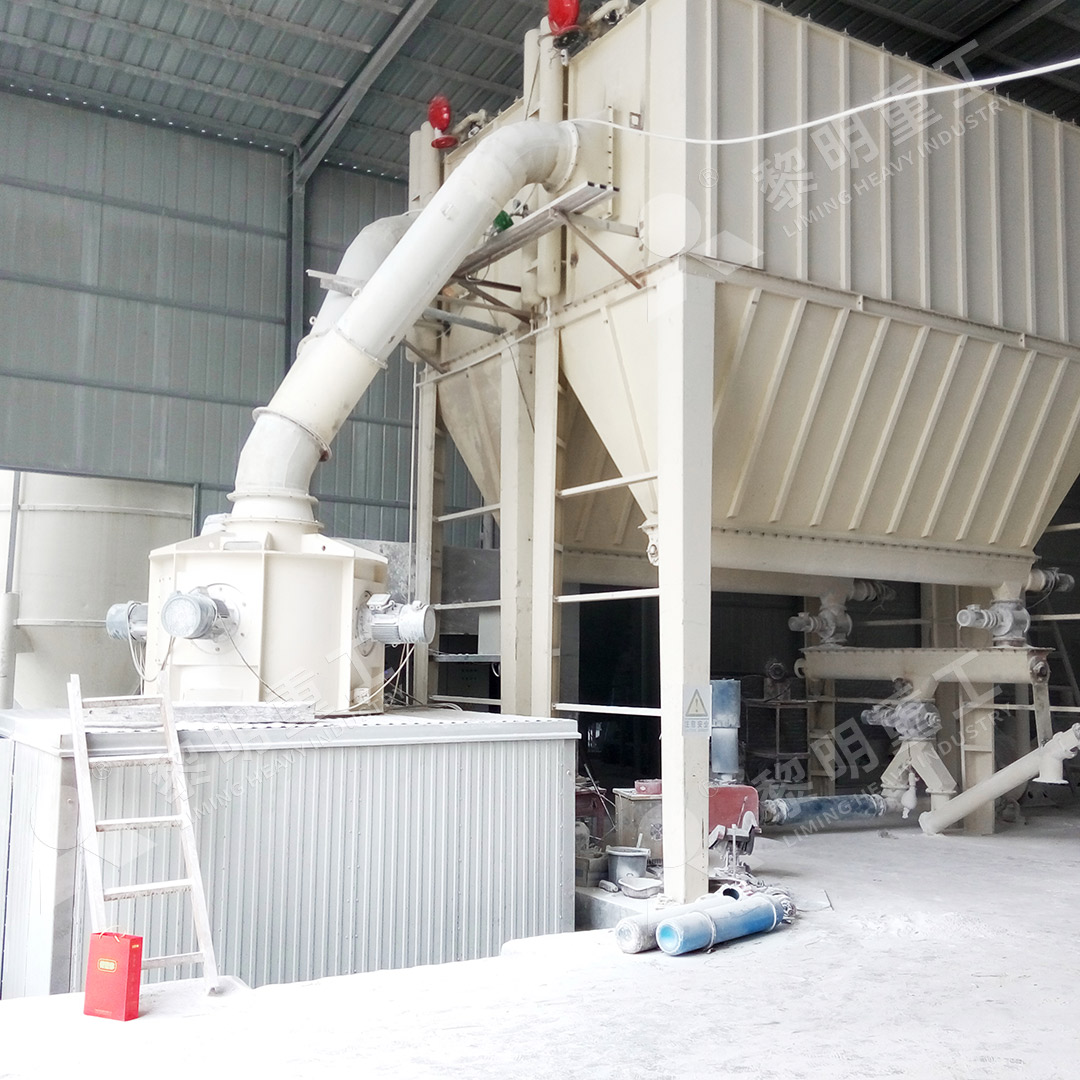
Another exceptional solution for finer feeds is the LUM Ultrafine Vertical Grinding Mill. It integrates the latest roller and powder separating technologies from Germany and Taiwan. Its unique roller shell and lining plate grinding curve make it easier to generate a stable material layer, enabling a high rate of finished product in a single pass. This not only boosts efficiency but also improves the whiteness and cleanliness of the limestone powder—a critical quality metric. Furthermore, its multi-head powder separating technology and PLC control system allow for precise parameter control, reducing energy consumption by 30%-50% compared to common grinding mills.
Conclusion: Investing in a Sustainable Future
The transition to energy-efficient grinding technology is no longer an option but a necessity for forward-thinking operations. By investing in advanced mills like the MW or LUM series, businesses can significantly reduce their operating costs, minimize their environmental impact, and produce higher quality limestone powder to meet market demands.
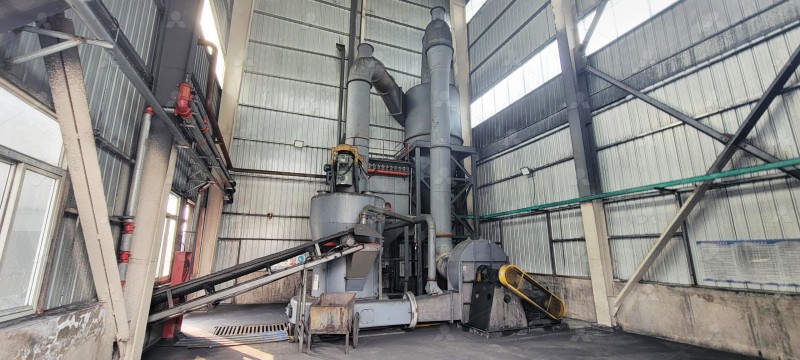
When selecting equipment, consider not just the initial investment but the total cost of ownership, which includes energy bills, maintenance downtime, and spare parts. Our mills are backed by comprehensive technical support and a guaranteed supply of original spare parts, ensuring your operation runs smoothly and worry-free for years to come.