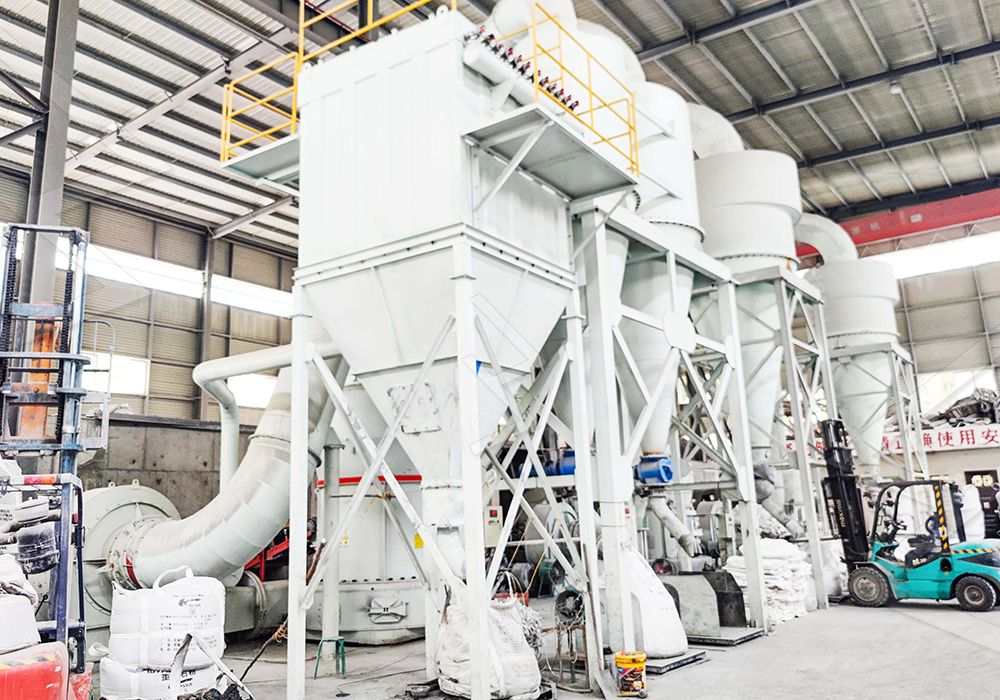
Introduction and Working Principle of Ball Mill in Industrial Grinding Applications
We provide a wide range of mills — including Raymond mill, trapezoidal mill, vertical mill, ultrafine mill, and ball mill, obtained ISO9001 international quality certification, EU CE certification, and Customs Union CU-TR certification. Suitable for processing minerals such as limestone, phosphate, quicklime, kaolin, talc, barite, bentonite, calcium carbonate, dolomite, coal, gypsum, clay, carbon black, slag, cement raw materials, cement clinker, and more.
The discharge range of these mills can be adjusted to meet specific processing needs, typically from 80-400 mesh, 600-3250 mesh, and can achieve the finest particle size of up to 6000 mesh(D50).
If you are looking for a reliable grinding solution to turn stone or minerals into fine powder, please feel free to contact our online customer service.
Introduction and Working Principle of Ball Mill in Industrial Grinding Applications
In the vast landscape of industrial size reduction, the ball mill stands as a timeless and versatile workhorse. For decades, this robust piece of equipment has been a cornerstone in grinding operations across numerous sectors, from mining and cement production to ceramics and chemical synthesis. Its fundamental principle is elegantly simple yet incredibly effective, making it a reliable choice for reducing a wide variety of materials to fine and ultra-fine powders.
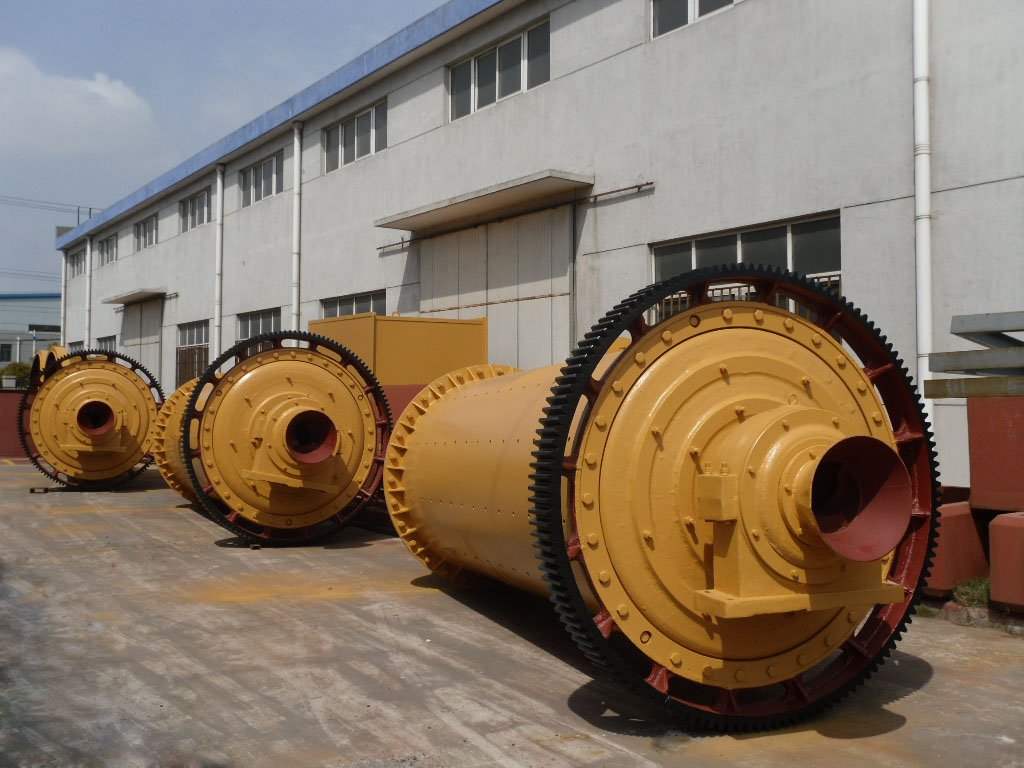
The Core Working Principle: Impact and Attrition
The operational heart of a ball mill is a hollow, cylindrical shell that rotates around its horizontal axis. This shell is partially filled with the grinding medium—typically high-density steel or ceramic balls. The material to be ground, with an input size typically less than 25mm, is fed into this chamber. As the shell rotates, the balls are lifted up on the rising side of the shell and then cascade down (or cataract) onto the material bed below.
This cascading action generates two primary size-reduction forces:
- Impact: The falling balls strike the particles, shattering them through direct force.
- Attrition: The particles are worn down and sheared as they rub against each other and the grinding media between the rolling balls.
The centrifugal force created by the rotation is key. It brings the balls to a certain height before gravity pulls them down, creating the continuous cycle of impact. The ground material is eventually discharged through grated discharge plates, which retain the grinding media while allowing the finely milled product to pass through. With capacities ranging from 0.65 to 50 tons per hour, ball mills can be scaled to meet diverse production needs.
Industrial Applications and Limitations
Ball mills are celebrated for their ability to handle a wide spectrum of materials, including cement clinker, coal, various ores, pigments, and ceramics. Their advantages are numerous: lower initial investment compared to some newer technologies, energy efficiency in certain applications, and a proven, reliable design that is relatively safe and easy to operate.
However, for modern applications demanding ultra-fine powders at the highest levels of efficiency, traditional ball mills can have limitations. Energy consumption can be significant due to the weight of the rotating drum and media. Heat generation during prolonged grinding can be an issue for heat-sensitive materials, and achieving a very narrow particle size distribution can be challenging.
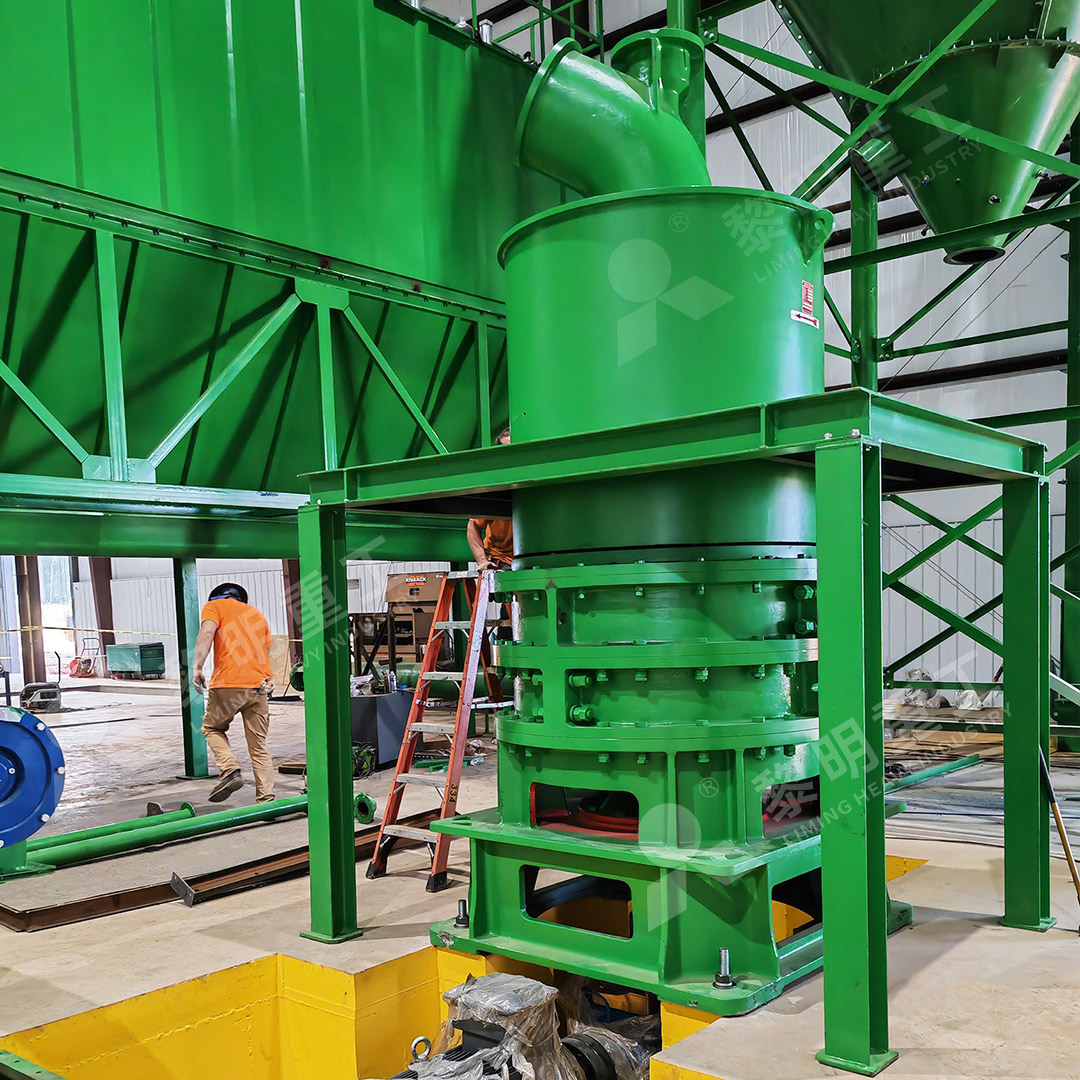
Advancing Beyond: The MW Ultrafine Grinding Mill
For operations where ultra-fine powder is the goal, our MW Ultrafine Grinding Mill represents a significant technological leap forward. This machine is specifically engineered for customers who need to make 325-2500 mesh powder with superior efficiency and lower operational impact.
Unlike a traditional ball mill, the MW series utilizes an advanced grinding ring and roller design, driven by a German-technology cage-type powder selector. This allows for precise control over fineness and a massive 40% higher production capacity compared to jet mills or stirred grinding mills, while simultaneously reducing system energy consumption by up to 70%. A key maintenance advantage is the absence of rolling bearings and screws in the grinding chamber, eliminating common failure points and enabling external lubrication without shutdown for true 24/7 operation.
Equipped with an efficient pulse dust collector and silencer, the entire milling process is contained and eco-friendly, meeting stringent national environmental standards. It is the ideal solution for processing materials like limestone, calcite, talc, and barite for industries such as paints, cosmetics, and high-grade chemicals.
Conclusion
While the ball mill remains a fundamental and effective tool for general grinding purposes, the evolution of grinding technology has unlocked new levels of precision, efficiency, and environmental consciousness. For applications demanding ultra-fine powders, higher yield, and lower energy consumption, advanced solutions like our MW Ultrafine Grinding Mill are redefining industry standards, offering a smarter, more sustainable path to particle size reduction.