
Interpretation of National Industrial Policies for Dolomite Powder Grinding Mill Production
We provide a wide range of mills — including Raymond mill, trapezoidal mill, vertical mill, ultrafine mill, and ball mill, obtained ISO9001 international quality certification, EU CE certification, and Customs Union CU-TR certification. Suitable for processing minerals such as limestone, phosphate, quicklime, kaolin, talc, barite, bentonite, calcium carbonate, dolomite, coal, gypsum, clay, carbon black, slag, cement raw materials, cement clinker, and more.
The discharge range of these mills can be adjusted to meet specific processing needs, typically from 80-400 mesh, 600-3250 mesh, and can achieve the finest particle size of up to 6000 mesh(D50).
If you are looking for a reliable grinding solution to turn stone or minerals into fine powder, please feel free to contact our online customer service.
Navigating the New Era: Industrial Policy and Dolomite Processing
The global push towards sustainable industrial practices has fundamentally reshaped national industrial policies, particularly within the mineral processing and manufacturing sectors. For producers of dolomite powder, a critical raw material for construction, agriculture, glass, and ceramics, these policies are no longer just guidelines but central pillars for operational planning and technological investment. Governments worldwide are increasingly incentivizing—and in some cases mandating—the adoption of grinding technologies that prioritize energy efficiency, reduced carbon footprint, and minimal environmental disruption. This isn’t merely about compliance; it’s about future-proofing your business in a competitive, eco-conscious market.
The Core Policy Drivers: Efficiency, Emissions, and Excellence
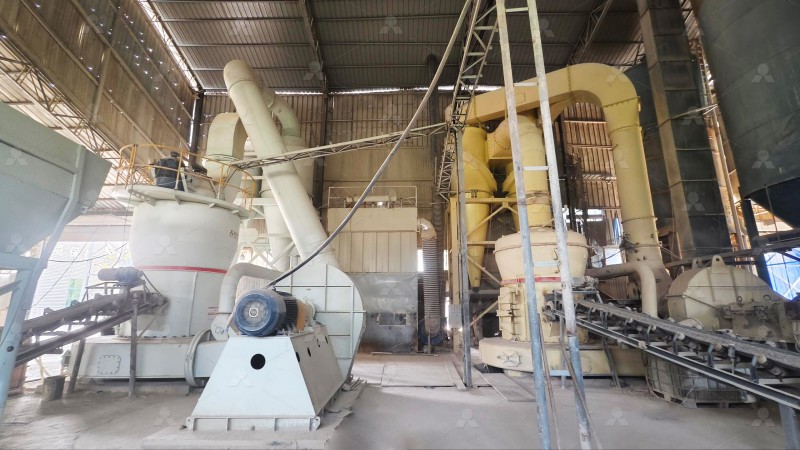
Modern industrial policy can be distilled into three key areas impacting dolomite mill operations. First, energy consumption mandates are pushing operators away from traditional, power-hungry ball mills towards advanced systems that deliver more throughput per kilowatt-hour. Second, stringent emission controls require integrated dust collection and noise suppression systems to be baked into the equipment design, not added as an afterthought. Third, there is a growing emphasis on product quality and consistency, driven by downstream industries demanding ultra-fine, chemically pure powders with narrow particle size distributions. The mills that thrive will be those that excel in all three areas simultaneously.
Strategic Equipment Selection for Policy Compliance
Selecting the right grinding technology is the most critical step in aligning with these national directives. Older technologies often struggle to meet new benchmarks for energy use and cleanliness. This is where innovative engineering provides a clear advantage. For instance, our MW Ultrafine Grinding Mill is engineered from the ground up to meet these modern challenges. With an input size of 0-20 mm and a capacity range of 0.5-25 tph, it’s incredibly versatile for various dolomite feed stocks. Its design incorporates an efficient pulse dust collector and muffler right out of the box, ensuring the entire production process has a negligible effect on the environment—a key checkmark for regulatory approval.
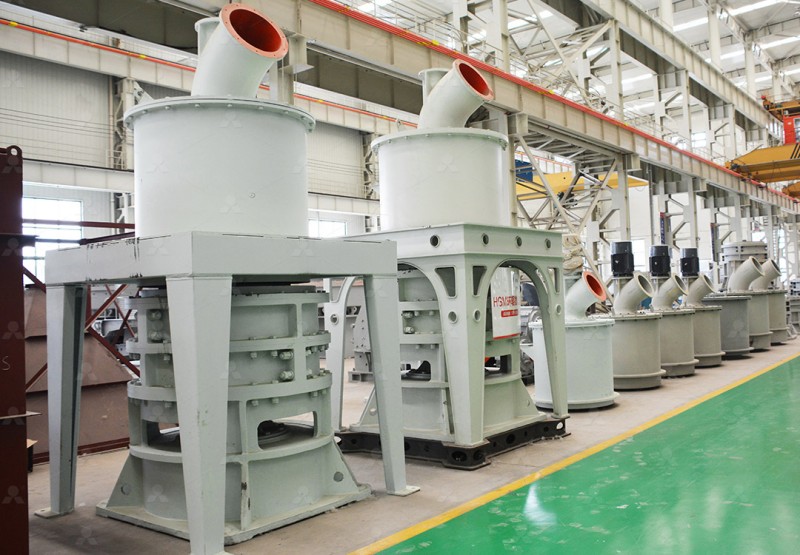
What truly sets the MW series apart in the context of these policies is its exceptional efficiency. It achieves a production capacity 40% higher than jet mills and double that of ball mills at the same power level, directly addressing energy reduction goals. Furthermore, its cage-type powder selector allows for precise fineness adjustment between 325-2500 meshes, ensuring producers can consistently meet the exacting quality standards demanded by high-value industries. The absence of rolling bearings and screws in the grinding chamber is a masterstroke of maintenance engineering, eliminating common failure points and ensuring 24/7 operational reliability, which is crucial for maintaining productivity under strict operational permits.
Beyond Compliance: Building a Competitive Advantage
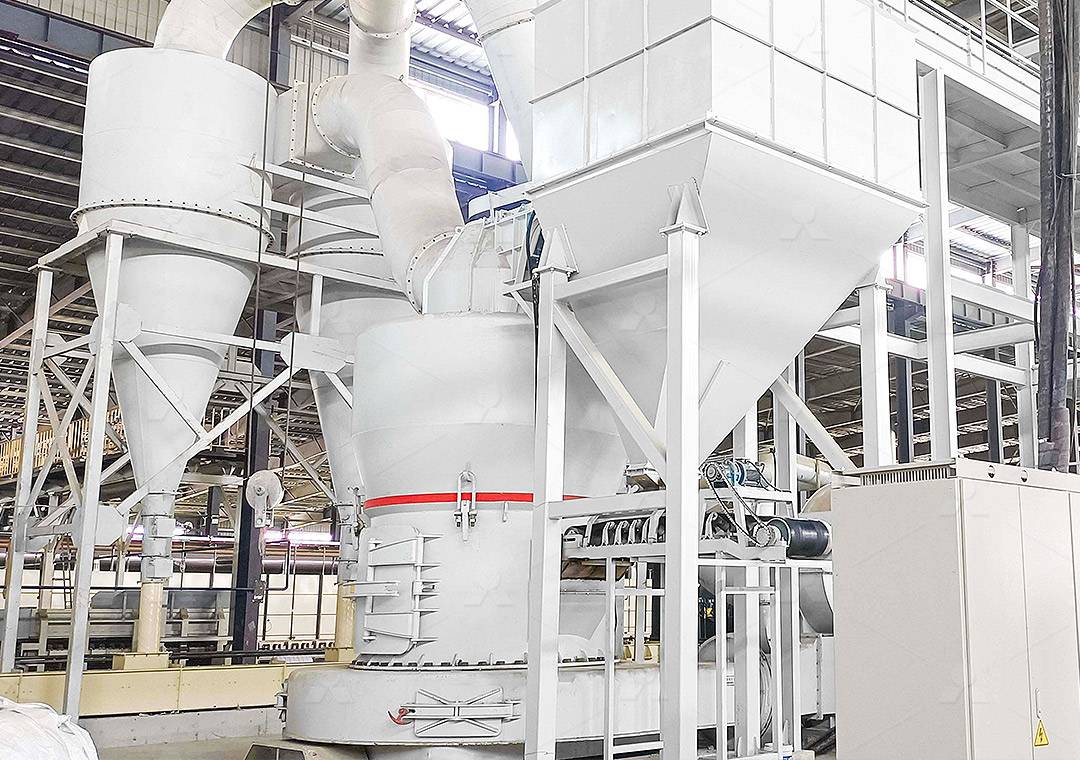
Ultimately, interpreting national industrial policy shouldn’t be seen as a burdensome exercise. It’s a strategic roadmap. By investing in advanced technology like the MW Ultrafine Grinding Mill, dolomite processors do more than just comply with regulations; they build a formidable competitive edge. They slash operational costs through lower energy consumption, they secure their social license to operate with cleaner and quieter production, and they capture premium markets with superior product quality. In today’s market, the most sustainable mill is also the most profitable one.
Conclusion: Grinding Towards a Sustainable Future
The alignment of equipment capability with national industrial policy is no longer optional. For forward-thinking dolomite powder producers, it represents the core of their business strategy. By leveraging cutting-edge mills designed for high yield, low energy use, and environmental stewardship, companies can confidently navigate the regulatory landscape and position themselves as leaders in the new, green economy.