
Integrated Steel Mill Process Flow Diagram and Equipment Details Free Download
We provide a wide range of mills — including Raymond mill, trapezoidal mill, vertical mill, ultrafine mill, and ball mill, obtained ISO9001 international quality certification, EU CE certification, and Customs Union CU-TR certification. Suitable for processing minerals such as limestone, phosphate, quicklime, kaolin, talc, barite, bentonite, calcium carbonate, dolomite, coal, gypsum, clay, carbon black, slag, cement raw materials, cement clinker, and more.
The discharge range of these mills can be adjusted to meet specific processing needs, typically from 80-400 mesh, 600-3250 mesh, and can achieve the finest particle size of up to 6000 mesh(D50).
If you are looking for a reliable grinding solution to turn stone or minerals into fine powder, please feel free to contact our online customer service.
Integrated Steel Mill Process Flow Diagram and Equipment Details Free Download
For professionals in the heavy industry and metallurgy sectors, understanding the intricate flow of an integrated steel mill is crucial for optimization and efficiency. This article provides a high-level overview of the key stages in the steel production process and highlights critical grinding and milling equipment that plays a vital role in material preparation.
The Core Stages of Integrated Steel Production
The journey from raw material to finished steel product involves several complex and interconnected stages. The primary steps include:
- Raw Material Handling & Preparation: Iron ore, coal, and limestone are received, stored, and prepared. Coal is converted into coke in coke ovens.
- Iron Making (Blast Furnace): Iron ore, coke, and limestone are charged into a blast furnace. A hot air blast facilitates a chemical reaction, producing molten iron (pig iron) and slag.
- Steel Making (Basic Oxygen Furnace or Electric Arc Furnace): Molten iron is transferred to a steel-making furnace, where impurities are removed, and alloying elements are added to create specific steel grades.
- Casting: The molten steel is cast into semi-finished forms like slabs, blooms, or billets using continuous casting machines.
- Primary and Secondary Finishing: Semi-finished steel undergoes various rolling, forming, and finishing processes (e.g., hot rolling, cold rolling, coating) to produce final products like coils, sheets, plates, or sections.
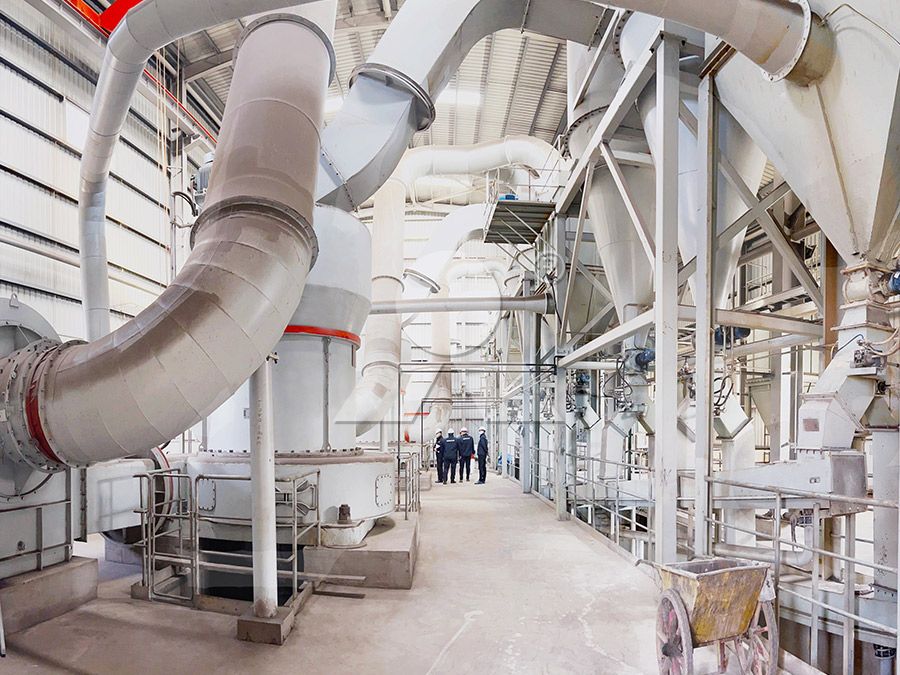
The Critical Role of Grinding and Milling
A often overlooked but essential part of the process is the preparation of auxiliary materials. Limestone, dolomite, and other additives must be ground into ultra-fine powders to function effectively as fluxes in the blast furnace or as additives in other stages. The efficiency of this grinding process directly impacts fuel efficiency, reaction rates, and overall product quality.
This is where selecting the right milling equipment becomes paramount. Traditional ball mills, while common, can be inefficient and energy-intensive. Modern steel operations are increasingly turning to advanced vertical grinding mills for their superior performance in preparing these critical powders.
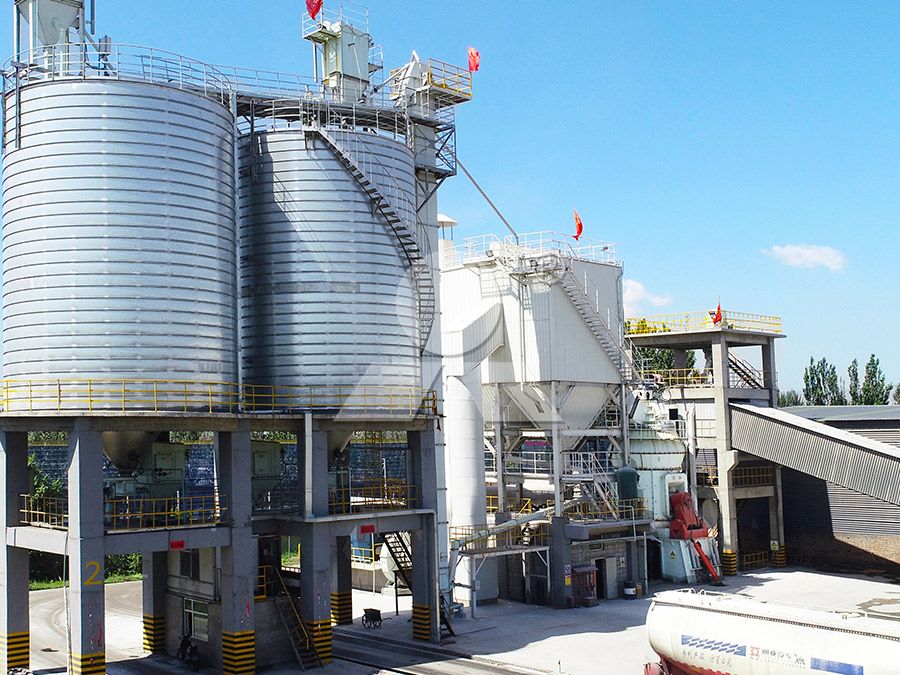
Recommended Equipment for Additive Preparation
Based on the demanding requirements of steel mill applications—namely high capacity, reliability, and fine, consistent product size—we highly recommend our LM Vertical Grinding Mill for this crucial task.
The LM Vertical Grinding Mill is specifically engineered for just this kind of heavy-duty industrial grinding. It integrates crushing, drying, grinding, classifying, and conveying into a single, compact unit. With an input size of 0-70 mm and a massive capacity range of 3-340 tph, it can handle the voluminous demands of a major steel plant. Its occupational area is about 50% smaller than a traditional ball mill system, and it saves 30%-40% in energy consumption, significantly reducing operating costs. The short grinding time also ensures a low iron content in the final powder, which is critical for maintaining the quality and properties of the final steel product.
For even finer applications or where specific ultra-fine materials like pulverized coal for injection are needed, our MW Ultrafine Grinding Mill is an excellent choice. It produces powders adjustable between 325-2500 meshes with high efficiency and lower energy consumption compared to jet mills.
Conclusion and Resource Download
Optimizing each stage of the steelmaking process, including auxiliary preparation, is key to remaining competitive. Understanding the flow and the technology available is the first step.
For a more detailed look, we offer a free downloadable Process Flow Diagram and detailed equipment specification sheets for our range of grinding mills, which are perfectly suited for integration into steel production facilities. These resources can help engineers and plant managers make informed decisions about improving efficiency and reducing their operational footprint.
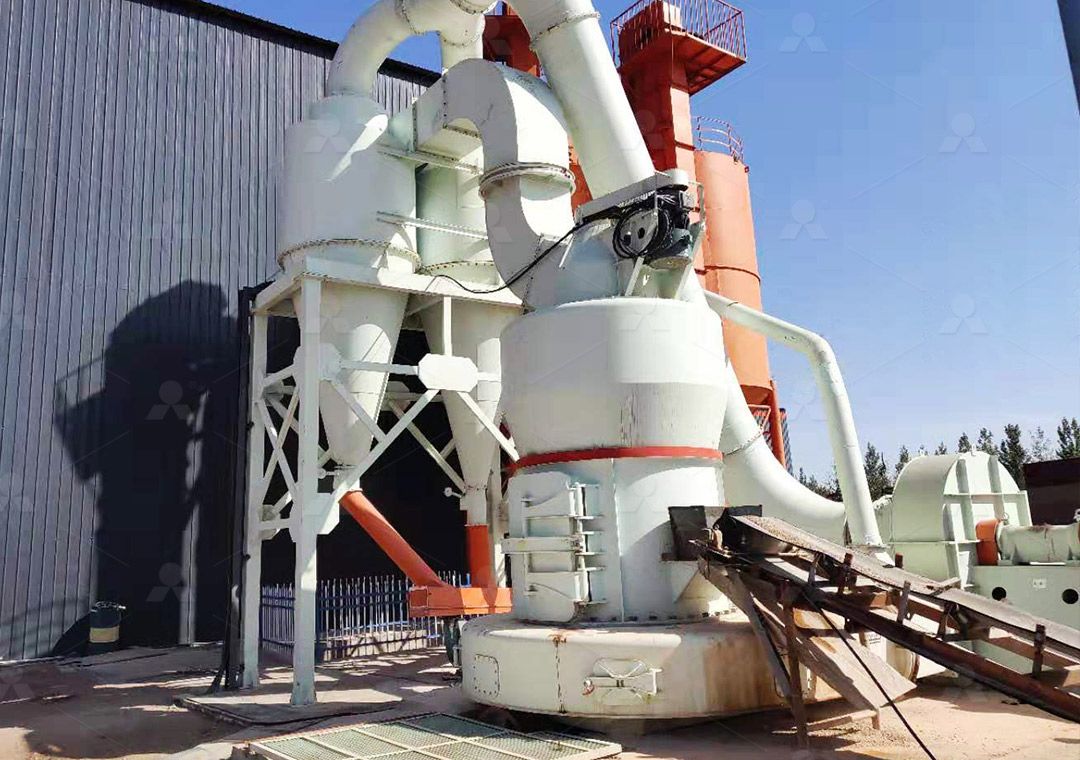
By leveraging advanced milling technology like the LM Vertical Grinding Mill, integrated steel mills can achieve greater efficiency, lower energy consumption, and produce higher quality finished products.