
Installation Guide for Ball Mill Crusher: Steps and Best Practices
We provide a wide range of mills — including Raymond mill, trapezoidal mill, vertical mill, ultrafine mill, and ball mill, obtained ISO9001 international quality certification, EU CE certification, and Customs Union CU-TR certification. Suitable for processing minerals such as limestone, phosphate, quicklime, kaolin, talc, barite, bentonite, calcium carbonate, dolomite, coal, gypsum, clay, carbon black, slag, cement raw materials, cement clinker, and more.
The discharge range of these mills can be adjusted to meet specific processing needs, typically from 80-400 mesh, 600-3250 mesh, and can achieve the finest particle size of up to 6000 mesh(D50).
If you are looking for a reliable grinding solution to turn stone or minerals into fine powder, please feel free to contact our online customer service.
Installation Guide for Ball Mill Crusher: Steps and Best Practices
Proper installation of a ball mill crusher is critical for achieving optimal performance, longevity, and safety in your grinding operations. A poorly installed mill can lead to premature wear, inefficient grinding, excessive vibration, and even catastrophic failure. This guide outlines the key steps and best practices to ensure a smooth and successful installation process.
Pre-Installation Planning and Foundation Preparation
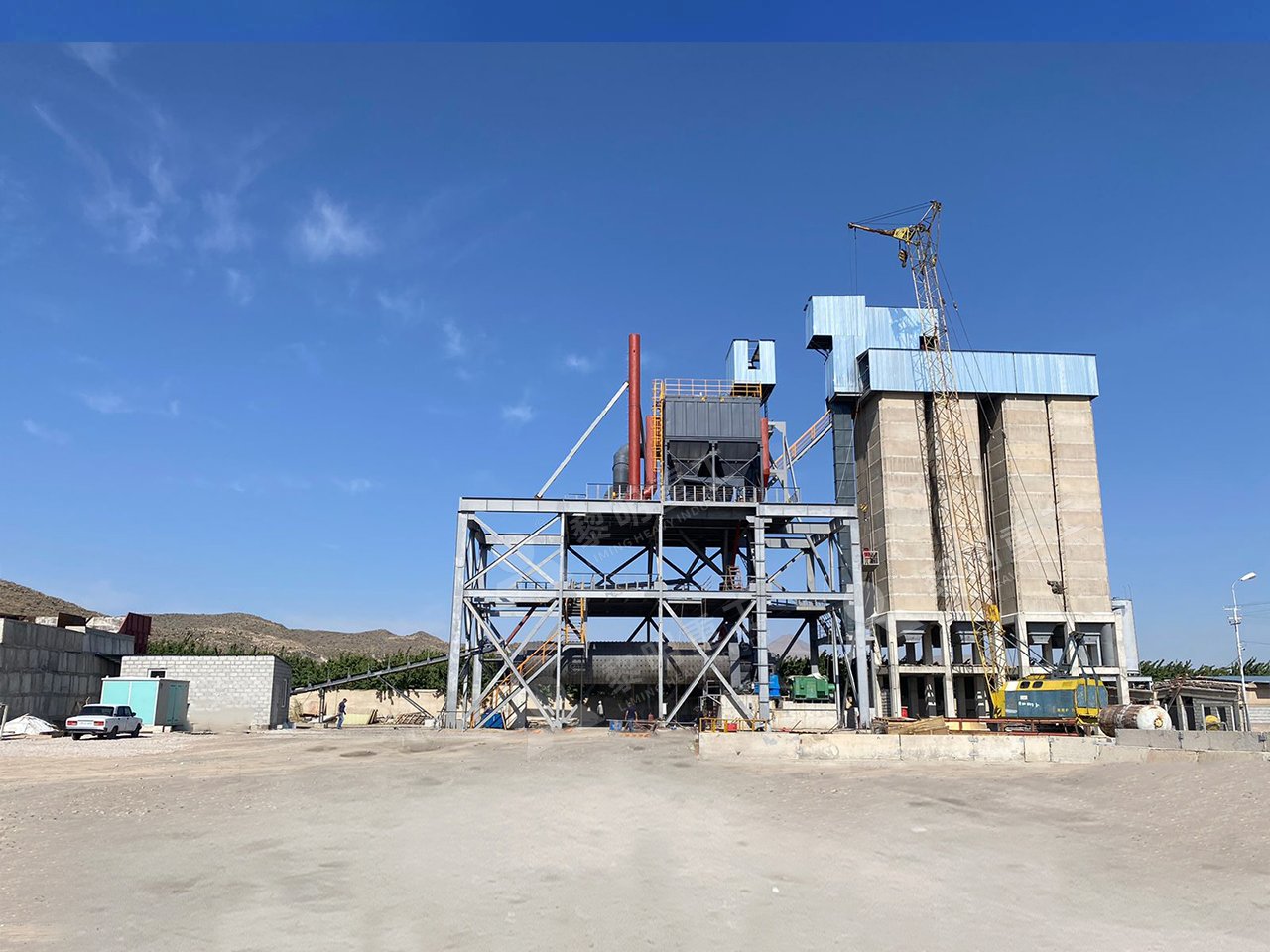
Before the equipment even arrives on site, thorough planning is essential. Begin by carefully reviewing all manufacturer-supplied drawings and documentation. The foundation is arguably the most critical element; it must be designed to withstand the dynamic loads and vibrations of the operating mill. Ensure the foundation base is made of high-strength reinforced concrete and is completely level. Allow the concrete to cure fully according to specifications—rushing this step is a common mistake that leads to settling and misalignment issues later.
Uncrating, Handling, and Assembly
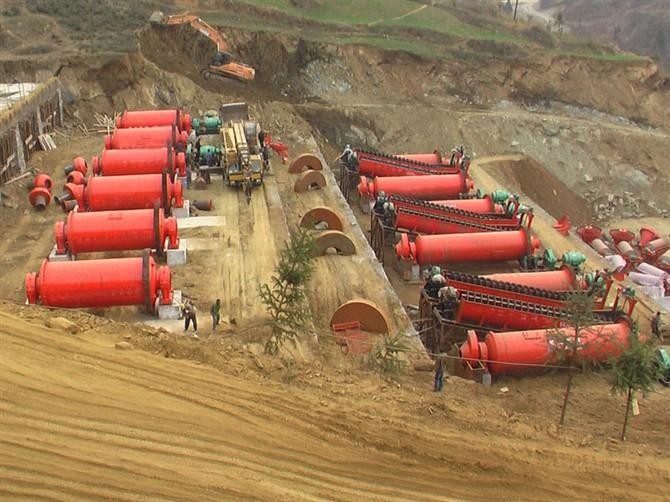
Exercise extreme caution during uncrating and handling. Use appropriate lifting equipment, such as cranes or forklifts with adequate capacity, and always lift from the designated points indicated on the general arrangement drawing. Never lift the mill by its trunnion bearings or motor. During assembly, meticulously clean all mating surfaces and apply a recommended antiseize compound to bolts. Follow the manufacturer’s torque sequence and specifications precisely when tightening all bolts, particularly those for the main bearing housings and gear guard. Improper torque can distort components and cause misalignment.
Alignment: The Key to Smooth Operation
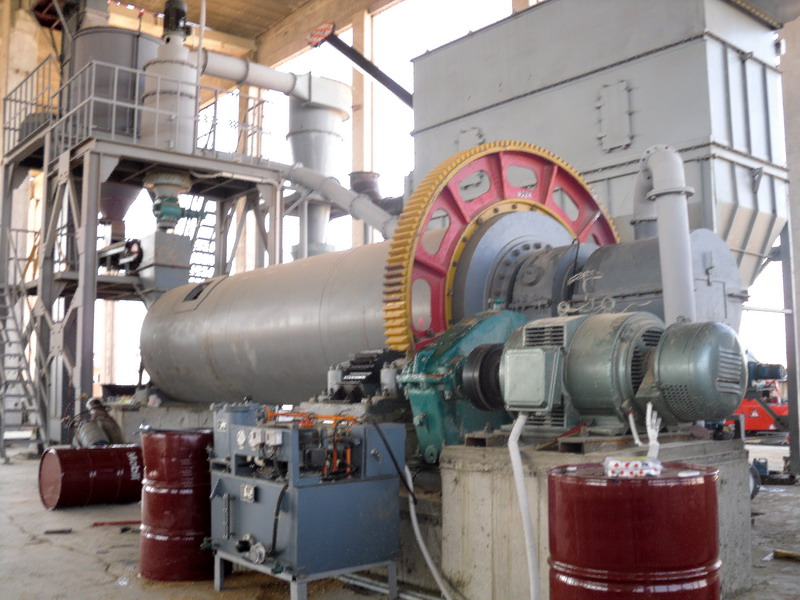
Precise alignment of the mill shell, trunnion bearings, pinion, and girth gear is non-negotiable. Misalignment is a primary source of vibration, noise, and accelerated gear wear. Use precision instruments like dial indicators and laser alignment tools for this task. The motor and pinion shaft must be aligned to the girth gear with the specified backlash and flank clearance. Remember to account for thermal expansion; some alignments are performed “cold” with an offset to ensure they become perfect once the mill reaches operating temperature.
Electrical and Auxiliary System Integration
Connect the main drive motor, lubrication systems, and cooling systems according to the electrical schematics. Ensure all electrical connections are tight and properly insulated. The lubrication system must be flushed clean before initial startup to remove any manufacturing debris. Prime the system and verify that oil is flowing correctly to all bearings. Integrate safety interlocks, such as those for the lubrication system (low oil pressure shutdown) and gear guard, to prevent the mill from operating under unsafe conditions.
Considering an Alternative? The MW Ultrafine Grinding Mill
While ball mills are a robust and traditional solution, modern operations often demand higher efficiency and finer products. For applications requiring ultra-fine powder between 325-2500 meshes, our MW Ultrafine Grinding Mill presents a superior alternative. It boasts a production capacity 40% higher than jet mills and double that of ball mills for the same power input, while reducing system energy consumption by 30%. Its unique design, with no rolling bearings or screws in the grinding chamber, eliminates common failure points and allows for external lubrication without shutdown, enabling continuous 24/7 operation. Equiped with an efficient pulse dust collector, it’s a more eco-friendly and productive option for fine powder production.
Initial Startup and Running-In Procedure
The first startup is a moment of truth. Begin by running the mill without any grinding media (balls) and without feed for a short period to check for unusual noises or vibrations. After this test, add about 20-30% of the designed ball charge and a small amount of feed material. Gradually increase the load over a period of 24-48 hours. Continuously monitor bearing temperatures, which should stabilize well within safe operating limits. Listen for any irregular sounds from the gear mesh. This careful running-in period helps polish the gear teeth and seat the bearings properly.
Best Practices for Long-Term Performance
- Regular Inspections: Establish a routine inspection schedule for liner wear, gear tooth condition, and bolt tightness.
- Predictive Maintenance: Use vibration analysis and oil analysis to predict maintenance needs before failures occur.
- Proper Loading: Avoid overfilling or underfilling the mill with grinding media and material, as both negatively impact efficiency and wear.
- Training: Ensure all operators and maintenance personnel are thoroughly trained on the specific mill’s operation and safety procedures.
By following these detailed steps and adhering to best practices, you can ensure your ball mill crusher is installed correctly, providing reliable, efficient, and safe service for years to come. Remember, a little extra time and care during installation prevents countless hours of downtime and maintenance in the future.