
Installation and Commissioning Guide for a 100 TPH Coal Mill in a Lime Kiln Plant
We provide a wide range of mills — including Raymond mill, trapezoidal mill, vertical mill, ultrafine mill, and ball mill, obtained ISO9001 international quality certification, EU CE certification, and Customs Union CU-TR certification. Suitable for processing minerals such as limestone, phosphate, quicklime, kaolin, talc, barite, bentonite, calcium carbonate, dolomite, coal, gypsum, clay, carbon black, slag, cement raw materials, cement clinker, and more.
The discharge range of these mills can be adjusted to meet specific processing needs, typically from 80-400 mesh, 600-3250 mesh, and can achieve the finest particle size of up to 6000 mesh(D50).
If you are looking for a reliable grinding solution to turn stone or minerals into fine powder, please feel free to contact our online customer service.
Introduction
Proper installation and commissioning of a coal mill is critical for the operational efficiency and longevity of a lime kiln plant. A 100 TPH (tonnes per hour) coal mill represents a significant investment and a core component of your fuel preparation system. This guide outlines the key steps and considerations for a successful installation and commissioning process, ensuring optimal performance from day one.
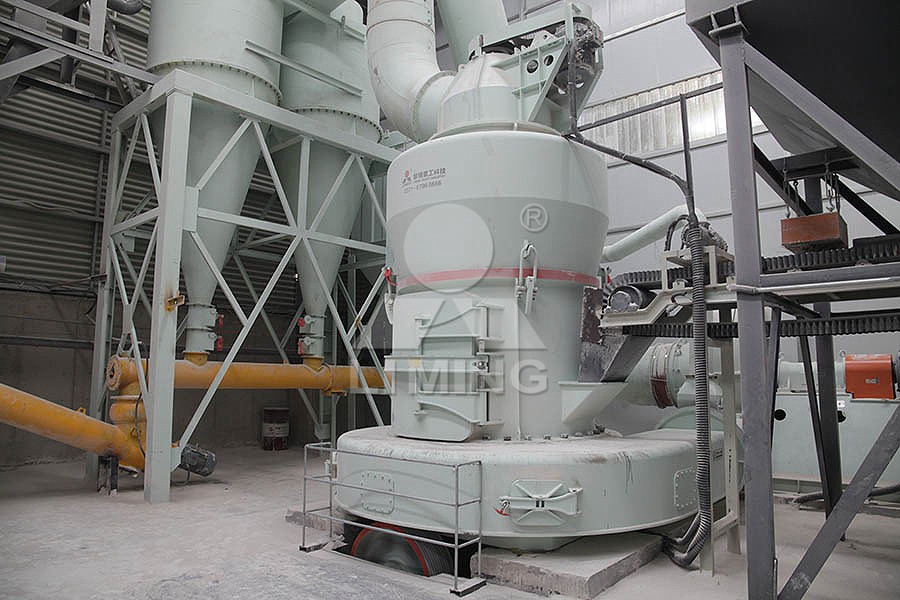
Pre-Installation Planning and Site Preparation
Before the mill arrives on site, thorough preparation is essential. This begins with a detailed review of the foundation drawings. The foundation must be designed to withstand the dynamic loads and vibrations generated during operation. Ensure the concrete has fully cured and achieved the specified strength. The site should provide clear access for crane operations and ample space for unloading, assembly, and future maintenance activities. Verify that all necessary utilities—power, water, and compressed air—are available at the designated connection points.
Unloading, Handling, and Assembly
Exercise extreme caution during unloading. Use lifting equipment with adequate capacity and follow the manufacturer’s designated lifting points to prevent damage to the mill’s structure. Major components like the base frame, grinding roller assembly, classifier, main motor, and reducer should be stored in a clean, dry area. Assembly should follow a strict sequence, typically starting with the precise leveling and grouting of the base frame. Subsequent steps include installing the grinding table, housing, roller arms, and the classifier unit. Torque all bolts to the specifications provided in the technical manual.
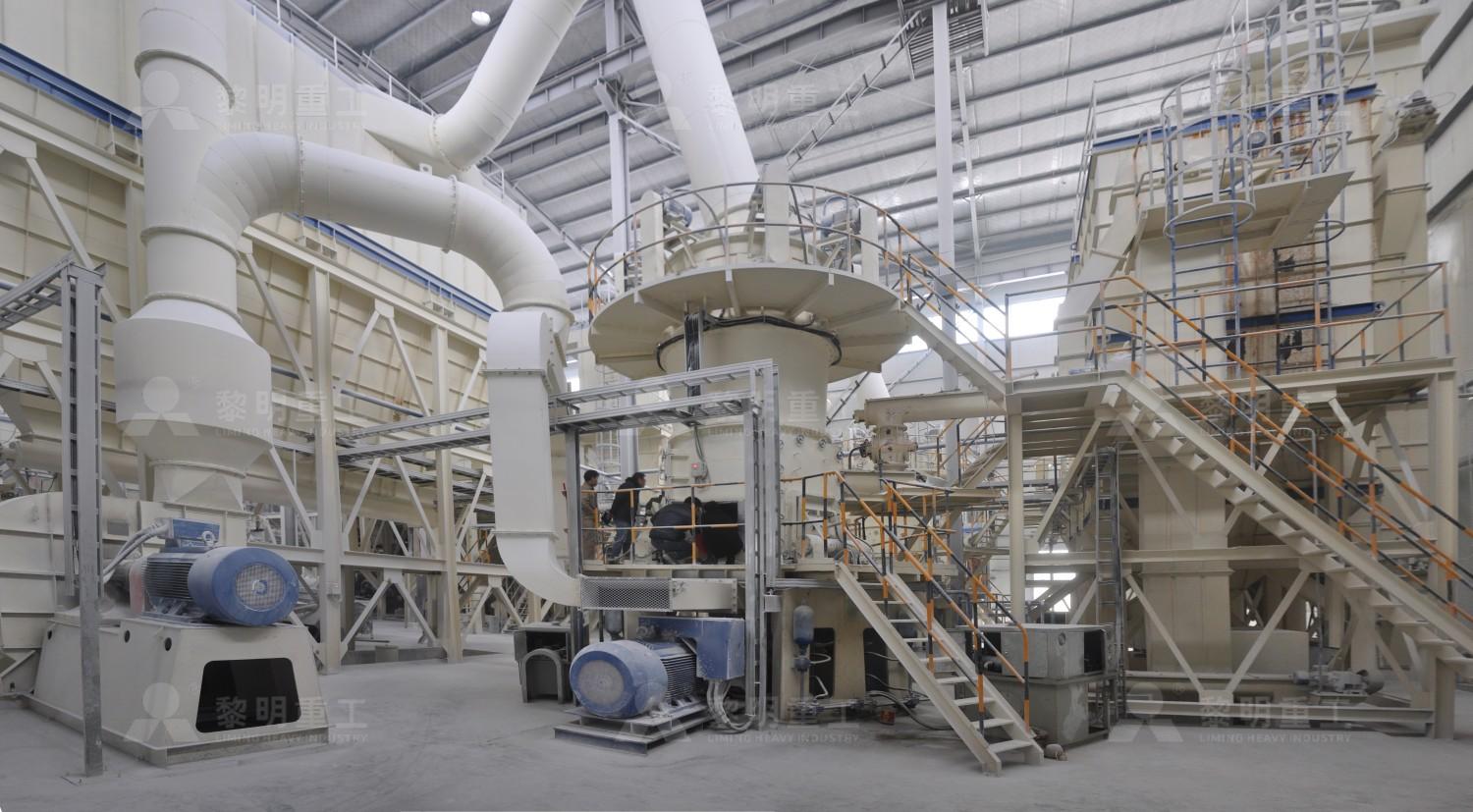
Electrical and Control System Integration
The electrical installation involves connecting the high-voltage motor, lubricating oil pumps, and hydraulic units. All wiring must comply with local electrical codes and the mill’s schematic diagrams. The control system is the nerve center of the operation. Program the PLC (Programmable Logic Controller) according to the operational parameters, including start-up sequences, interlock protections, and alarm setpoints. Calibrate all sensors, such as temperature probes for bearings and pressure transducers for the grinding system, to ensure accurate feedback.
Commissioning and Initial Startup
Commissioning is a phased process. Begin with a mechanical run without material. Check for any unusual noises or vibrations from the gearbox and grinding rollers. Verify the smooth operation of the hydraulic system that applies grinding pressure. Next, conduct an air test with the mill running and the system fan operational to check for air leaks in the ducting and baghouse. Finally, proceed to the coal feed test. Start with a low feed rate and gradually increase it while monitoring motor current, grinding pressure, and outlet temperature. Adjust the classifier speed to achieve the desired coal fineness.
Optimizing for Lime Kiln Requirements
The pulverized coal produced must meet the specific combustion requirements of your lime kiln. Consistent fineness (typically 70-80% passing 200 mesh) is crucial for stable flame and complete combustion. Continuously monitor the product and fine-tune the mill parameters. For plants requiring even higher efficiency and finer control, especially when processing a variety of coal types, the LM Vertical Coal Mill is an excellent choice. Its integrated drying and grinding capability, combined with advanced PLC control and multi-head powder separating technology, ensures stable product quality and lower energy consumption, making it ideally suited for the demanding environment of a lime kiln.

Operator Training and Handover
Comprehensive training for the plant operators is a critical final step. They must be thoroughly familiar with normal operating procedures, routine checks, and emergency shutdown protocols. Understanding the cause and effect of various alarms will enable them to respond effectively to operational upsets. A well-trained operations team is key to maximizing the mill’s availability and lifespan.
Frequently Asked Questions (FAQ)
What is the typical ramp-up time to full 100 TPH capacity?
A conservative approach is recommended. After initial coal introduction, it may take several days of gradual increases in feed rate to reach the full 100 TPH capacity, allowing time for system stabilization and parameter optimization.
How often should grinding rollers and table liners be inspected?
Initial inspection should occur after the first 500-1000 hours of operation to establish a wear baseline. Subsequent inspection intervals can be determined based on the abrasiveness of the coal and the observed wear rate, typically every 3,000 to 6,000 hours.
What are the most critical parameters to monitor during operation?
Key parameters include: mill motor current (indicates load), grinding pressure, outlet temperature (critical for safety and drying), differential pressure across the mill (indicates material level), and baghouse pressure drop.
Can the mill handle variations in coal moisture content?
Yes, vertical roller mills like the LM series are designed with integrated drying capabilities. Hot gas from the kiln system or an auxiliary heater can be introduced to dry high-moisture coal, maintaining stable grinding conditions.