
Industrial-Grade 200-Mesh Anthracite Coal Mill: Complete Production Line Guide
We provide a wide range of mills — including Raymond mill, trapezoidal mill, vertical mill, ultrafine mill, and ball mill, obtained ISO9001 international quality certification, EU CE certification, and Customs Union CU-TR certification. Suitable for processing minerals such as limestone, phosphate, quicklime, kaolin, talc, barite, bentonite, calcium carbonate, dolomite, coal, gypsum, clay, carbon black, slag, cement raw materials, cement clinker, and more.
The discharge range of these mills can be adjusted to meet specific processing needs, typically from 80-400 mesh, 600-3250 mesh, and can achieve the finest particle size of up to 6000 mesh(D50).
If you are looking for a reliable grinding solution to turn stone or minerals into fine powder, please feel free to contact our online customer service.
Industrial-Grade 200-Mesh Anthracite Coal Mill: Complete Production Line Guide
Producing high-quality 200-mesh anthracite coal powder requires precision engineering, robust equipment, and a deep understanding of material science. Anthracite, known for its high carbon content and low volatility, presents unique challenges in grinding due to its hardness. Achieving the consistent 75-micron particle size (200-mesh) demanded by industries such as carbon additives, fuel injection, and metallurgy necessitates a meticulously designed production line.
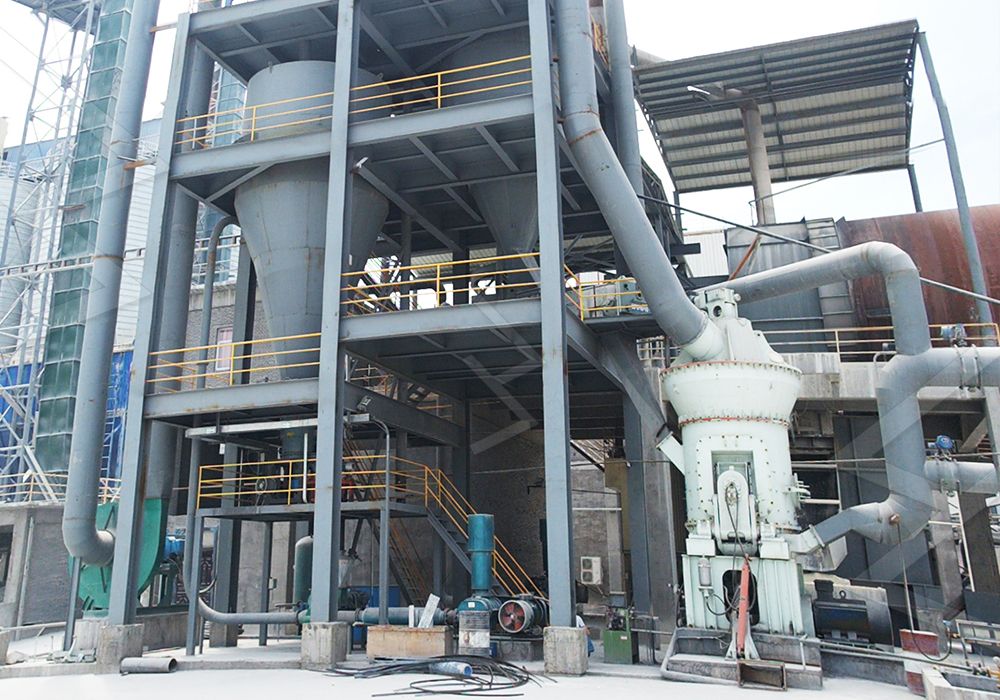
The cornerstone of an efficient 200-mesh anthracite production line is the selection of the primary grinding mill. Traditional ball mills or Raymond mills often struggle with the hard, abrasive nature of anthracite, leading to high wear rates and inconsistent fineness. Modern solutions focus on vertical roller mill technology, which applies pressure rather than impact for comminution, resulting in higher efficiency and lower energy consumption.
Key Components of a Successful Production Line
A complete system extends beyond the core grinder. It integrates several critical stages:
- Primary Crushing: Raw anthracite coal (typically 0-50mm) is first reduced to a consistent 0-20mm feed size using a jaw crusher.
- Drying & Grinding: This is the heart of the process. The ground coal must be dried simultaneously if moisture content is high. A mill that integrates drying is crucial for operational efficiency.
- Precise Classification: A high-efficiency powder separator is non-negotiable. It ensures that only particles meeting the 200-mesh standard proceed to collection, while oversize material is returned for further grinding.
- Dust Collection & Packaging: An advanced pulse-jet baghouse dust collector captures over 99.9% of fine powder, ensuring a clean plant environment and product recovery.
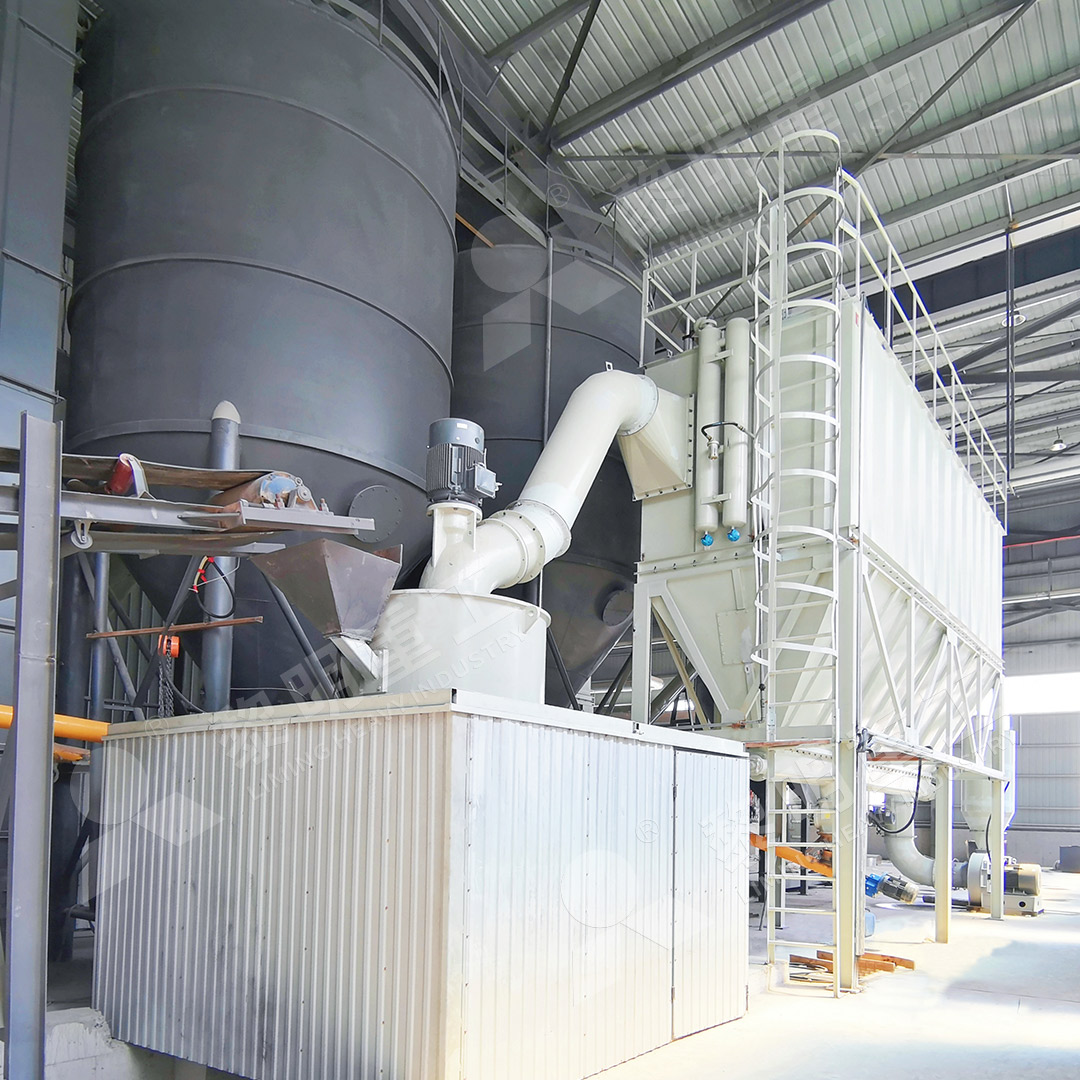
For operations prioritizing ultra-fine powder with superior particle size distribution, the MW Ultrafine Grinding Mill stands out. This machine is specifically engineered for customers requiring precise ultra-fine powder. With an input size of 0-20 mm and a capacity range of 0.5-25 tph, it is perfectly suited for 200-mesh anthracite production. Its cage-type powder selector, incorporating German technology, allows for precise fineness adjustment between 325-2500 meshes, ensuring your 200-mesh product is consistently achieved with a high screening rate of d97≤5μm. Furthermore, its design eliminates rolling bearings and screws in the grinding chamber, mitigating common failure points and enabling worry-free 24/7 operation. The integrated efficient pulse dust collector and muffler make the entire process exceptionally eco-friendly.
Optimizing for Efficiency and Longevity
Operating an anthracite coal mill at peak performance requires attention to detail. The grindability (HGI) of the feed coal should be regularly tested, as variations can affect throughput and energy use. Maintaining a stable feed rate is critical to preventing mill vibrations and ensuring a uniform product. The wear on grinding rollers and tables is a primary maintenance concern; selecting a mill with easily replaceable, high-chromium alloy wear parts can drastically reduce downtime and lifetime operating costs.
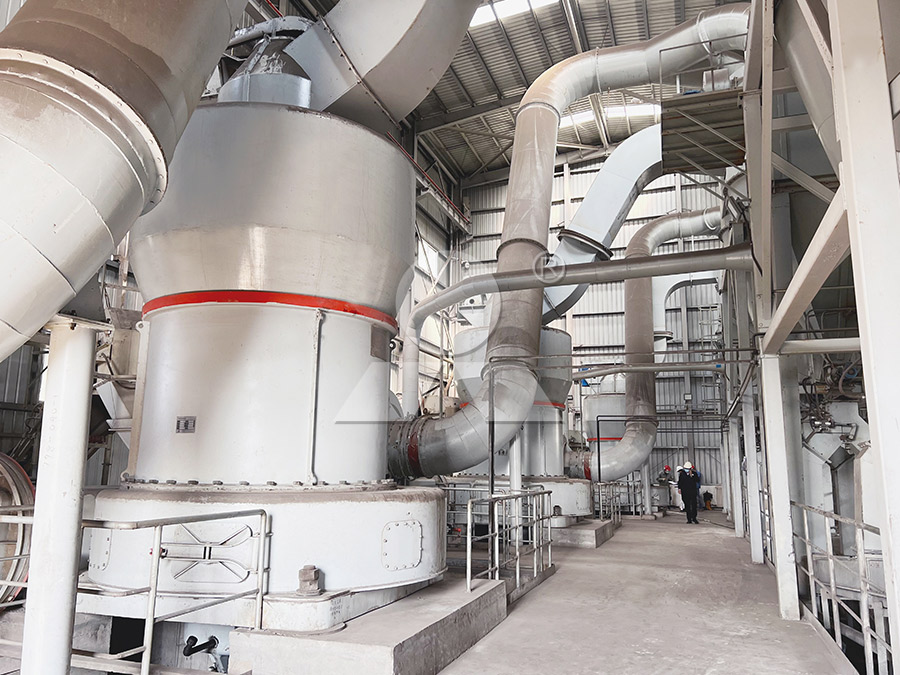
Another excellent option for this application is the LUM Ultrafine Vertical Grinding Mill. Designed with latest roller technology, it offers higher yielding rates and better quality finished product. Its reversible structure is a significant advantage for maintenance, allowing grinding rollers to be easily moved out of the mill body for inspection or part replacement, minimizing production losses during servicing.
Automation plays a pivotal role in modern grinding lines. A PLC-based control system can automatically adjust mill parameters like grinding pressure and classifier speed in response to feed changes, guaranteeing consistent product quality while optimizing energy consumption.
Frequently Asked Questions (FAQ)
What is the primary advantage of a vertical roller mill over a ball mill for grinding anthracite?
Vertical roller mills are significantly more energy-efficient, consuming 30-50% less power than ball mills for the same output. They also integrate drying, grinding, and classifying in a single unit, offering a more compact footprint and stable production of consistently fine powder.
How is the 200-mesh fineness precisely controlled?
Fineness is controlled by a high-precision, dynamic classifier located at the top of the mill. The rotor speed can be adjusted to change the cut-point, ensuring that only particles finer than 75 microns exit the grinding chamber. Oversize particles are rejected back to the grinding table for further size reduction.
What are the key maintenance points for an anthracite coal mill?
Key maintenance focuses on wear parts: grinding rollers and tables. Regular inspection of liner thickness is essential. Additionally, the lubrication system for the grinding rollers and gearbox must be meticulously maintained. Modern mills are designed with external lubrication and hydraulic systems to facilitate easier and safer maintenance.
Can the system handle variations in coal moisture?
Yes, modern vertical mills like the MW and LUM series are equipped with hot air generators. By introducing controlled hot air into the grinding chamber, they can effectively dry coal with moisture content typically up to 10-15% during the grinding process itself, eliminating the need for a separate drying step.