
Industrial Boiler Slag Crusher: 90 Tons Per Hour Waste Slag Crushing Station
We provide a wide range of mills — including Raymond mill, trapezoidal mill, vertical mill, ultrafine mill, and ball mill, obtained ISO9001 international quality certification, EU CE certification, and Customs Union CU-TR certification. Suitable for processing minerals such as limestone, phosphate, quicklime, kaolin, talc, barite, bentonite, calcium carbonate, dolomite, coal, gypsum, clay, carbon black, slag, cement raw materials, cement clinker, and more.
The discharge range of these mills can be adjusted to meet specific processing needs, typically from 80-400 mesh, 600-3250 mesh, and can achieve the finest particle size of up to 6000 mesh(D50).
If you are looking for a reliable grinding solution to turn stone or minerals into fine powder, please feel free to contact our online customer service.
Industrial Boiler Slag Crusher: 90 Tons Per Hour Waste Slag Crushing Station
In the realm of heavy industry, efficient waste management is not just an environmental concern—it’s a critical operational and economic imperative. For power plants, steel mills, and large-scale manufacturing facilities utilizing industrial boilers, the byproduct of slag presents both a challenge and an opportunity. Processing this hard, abrasive material at a rate of 90 tons per hour requires a robust, reliable, and highly efficient crushing station designed specifically for this demanding task.
Traditional crushing solutions often falter under the relentless abrasiveness and volume of boiler slag. This is where a dedicated Waste Slag Crushing Station proves its worth. Engineered to handle high-capacity throughput, such a station integrates primary and secondary crushing, often with pre-screening and magnetic separation to remove metallic contaminants, ensuring a consistent, high-quality aggregate product that can be repurposed for construction, road base, or even as a raw material in cement production.
The Core of the Operation: Selecting the Right Grinding Mill
While jaw crushers and impactors handle the initial size reduction, the final step—transforming crushed slag into a fine, valuable powder—demands precision grinding technology. This is not a job for ordinary mills. The extreme hardness and abrasive nature of slag can cause premature wear, excessive downtime, and skyrocketing maintenance costs in ill-equipped machinery.
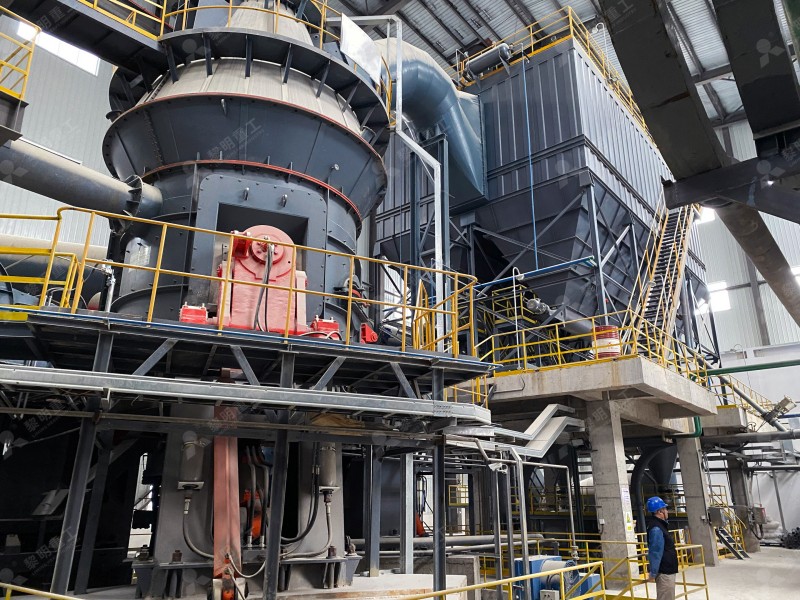
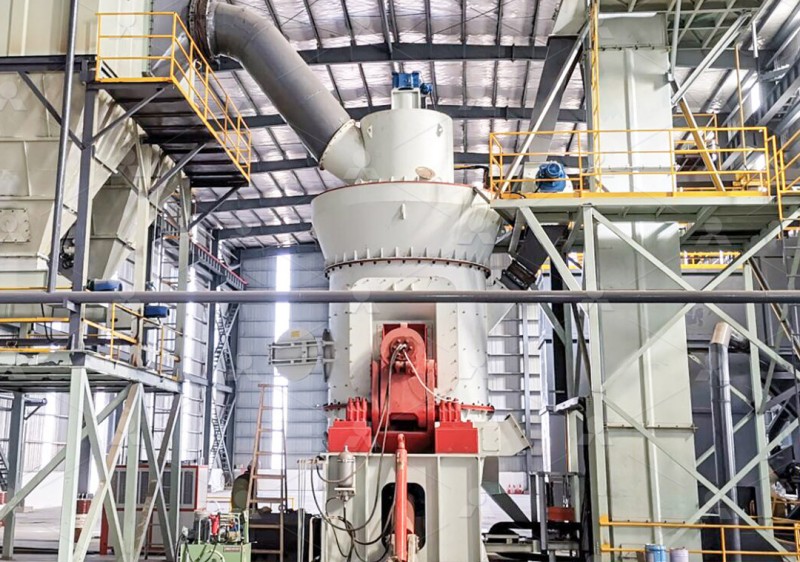
For this specific application, we highly recommend our LM Vertical Slag Mill. This mill is not just another piece of equipment; it’s a specialized solution engineered from the ground up for industrial waste like slag. With an input size capability of 38-65mm and a massive capacity range of 7-100 tons per hour, it is perfectly suited to integrate seamlessly with a 90 TPH crushing station.
The LM Vertical Slag Mill’s genius lies in its integration of drying, grinding, powder selection, and conveying into a single, compact unit. Its unique grinding device achieves the integration of grinding and powder selection, focusing intensely on slag milling. The result? The system’s footprint is about 50% smaller than a traditional ball mill system, and its energy consumption is a staggering 30% to 40% lower. For a high-volume operation, these efficiencies translate directly into a significantly lower operational expenditure (OPEX).
Beyond Slag: Versatility for Other Byproducts
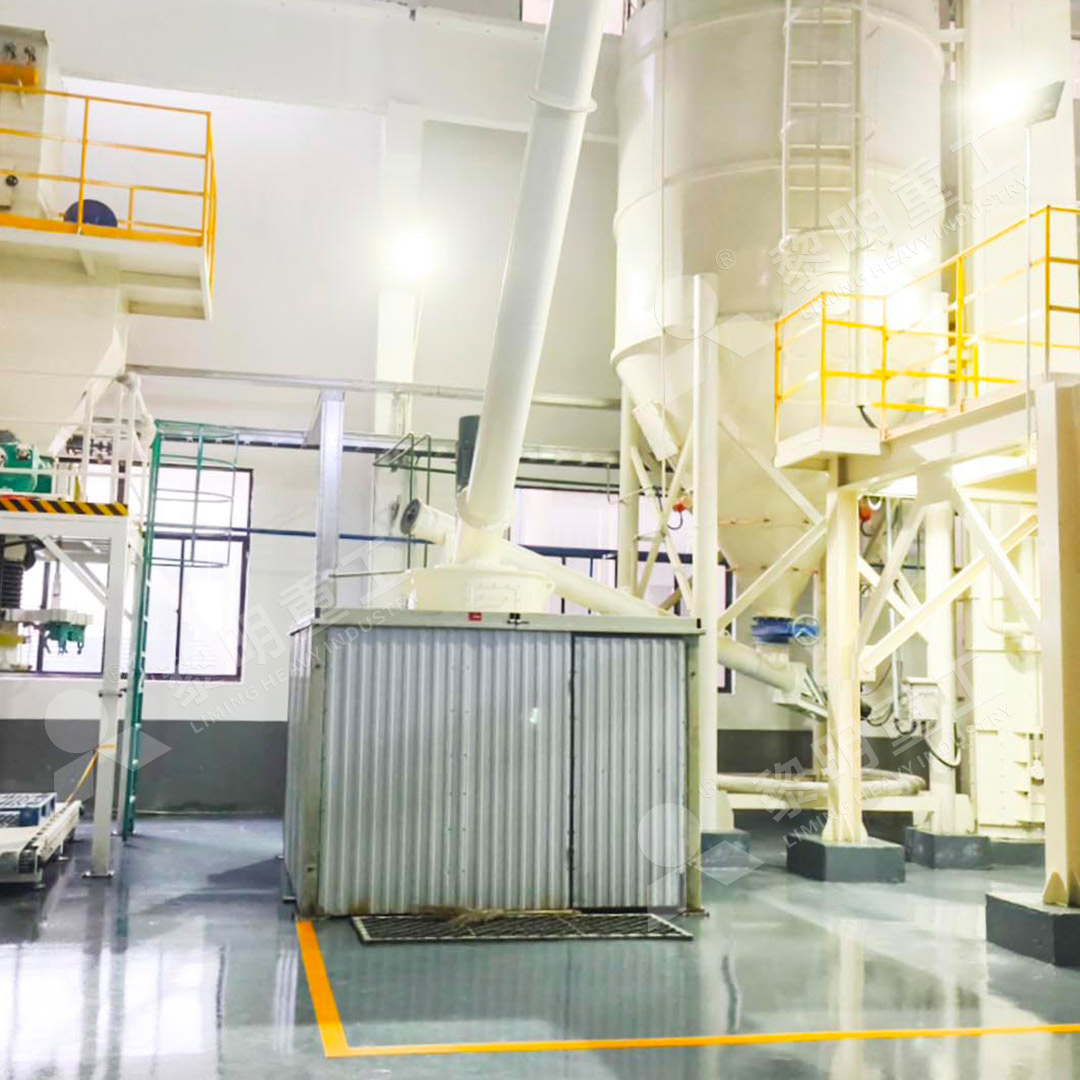
A well-designed 90 TPH station must be adaptable. While boiler slag is a primary target, many facilities also deal with granulated blast furnace slag or other industrial wastes. For processing these materials into even finer powders for higher-value applications, our MW Ultrafine Grinding Mill presents an excellent secondary or tertiary processing option.
The MW Mill is designed for customers who need to make ultra-fine powder. It handles inputs up to 20mm and offers a capacity range of 0.5-25 tph, making it ideal for creating premium-grade products from a portion of your crushed slag output. Its standout feature is the adjustable fineness between 325-2500 meshes, allowing you to produce powders tailored for specific markets like high-performance concrete additives or chemical industry fillers. Furthermore, its design—with no rolling bearings or screws in the grinding chamber—virtually eliminates worries about damage from abrasive materials, ensuring worry-free operation alongside your primary slag crusher.
Conclusion: Building a Profitable Waste Stream
A 90-ton-per-hour slag crushing station is more than a cost center for waste disposal; it’s a potential revenue generator. The key to unlocking this value is selecting machinery built for durability, efficiency, and precision. By employing a robust crushing circuit paired with specialized grinding mills like the LM Vertical Slag Mill for bulk processing and the MW Ultrafine Grinding Mill for high-value products, operators can transform a troublesome waste stream into a consistent, profitable product, all while enhancing their facility’s environmental credentials.