Indonesia Mill Stone Sand: Production Process and Quarry Equipment Guide
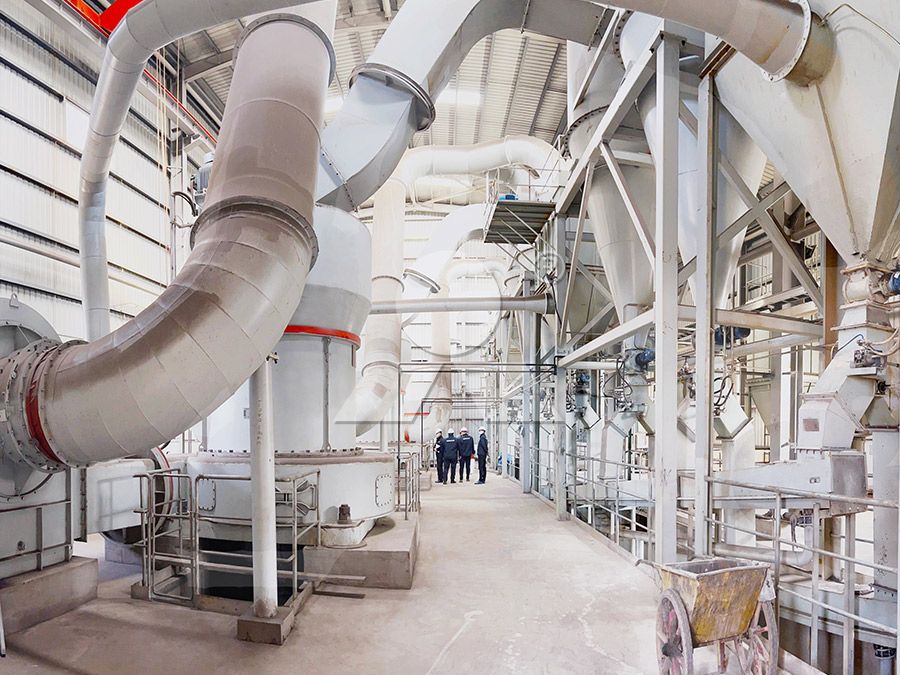
We provide a wide range of mills — including Raymond mill, trapezoidal mill, vertical mill, ultrafine mill, and ball mill, obtained ISO9001 international quality certification, EU CE certification, and Customs Union CU-TR certification. Suitable for processing minerals such as limestone, phosphate, quicklime, kaolin, talc, barite, bentonite, calcium carbonate, dolomite, coal, gypsum, clay, carbon black, slag, cement raw materials, cement clinker, and more.
The discharge range of these mills can be adjusted to meet specific processing needs, typically from 80-400 mesh, 600-3250 mesh, and can achieve the finest particle size of up to 6000 mesh(D50).
If you are looking for a reliable grinding solution to turn stone or minerals into fine powder, please feel free to contact our online customer service.
Indonesia Mill Stone Sand: Production Process and Quarry Equipment Guide
Indonesia’s construction boom continues to drive demand for high-quality mill stone sand, a crucial material for concrete, asphalt, and various infrastructure projects. The production process, while seemingly straightforward, requires precise equipment to ensure consistent grain size, shape, and cleanliness—all factors that directly impact the strength and durability of the final construction material. This guide outlines the key stages of production and highlights essential quarry equipment for operators in the Indonesian market.
The Production Process: From Quarry to Final Product
The journey from raw stone to fine mill sand involves several critical stages. It begins with the extraction of raw material from the quarry face, typically using drilling and blasting techniques. The blasted rock is then transported to a primary crushing station, often using large haul trucks. Here, jaw crushers or gyratory crushers reduce the large boulders to manageable sizes, usually around 100-200mm.
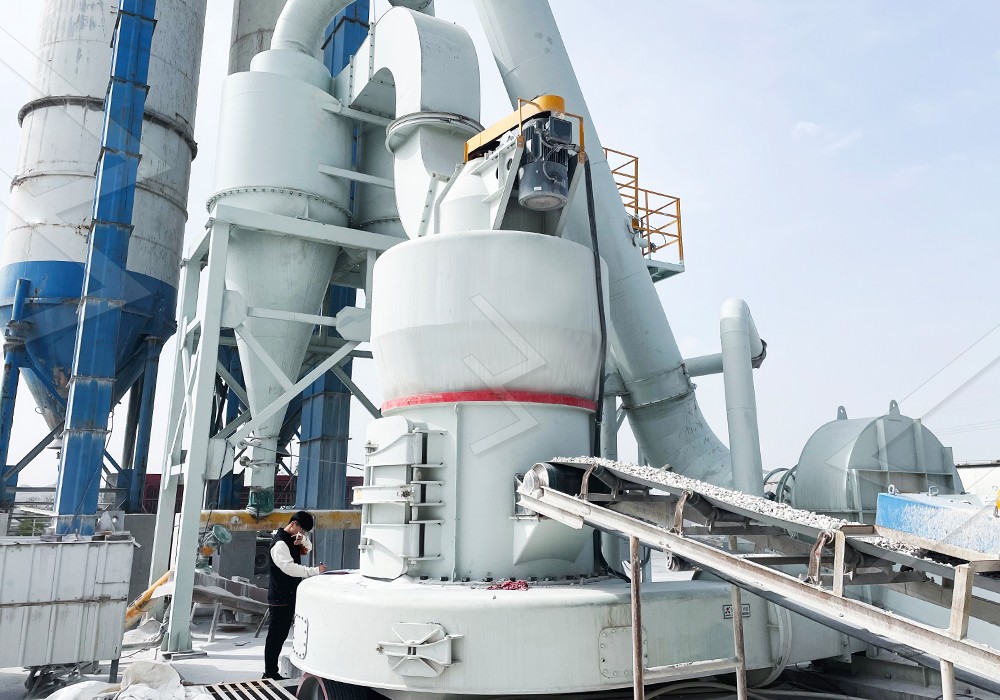
The second stage involves secondary and tertiary crushing. Cone crushers or impact crushers further reduce the material size to below 50mm. This is where the process starts to focus on shaping the particles. For high-quality mill sand, a vertical shaft impact (VSI) crusher is often employed in the tertiary stage. This crusher uses a high-speed rotor to throw the stone against anvils, fracturing it along natural lines and creating a cubical, well-shaped grain—ideal for sand.
The final and most crucial stage is the grinding and classification. The crushed material is fed into a grinding mill to achieve the desired fineness, typically in the range of 0-5mm. This is not a simple crushing action but a precise grinding process that controls the particle size distribution. After milling, the sand is classified using screens and air classifiers to separate it into different grades, ensuring it meets specific project specifications.
Essential Quarry Equipment for Sand Production
Selecting the right grinding mill is paramount for efficiency and product quality. While ball mills have been traditional workhorses, modern operations demand higher efficiency and finer control over the final product’s properties. This is where advanced grinding technology makes a significant difference.
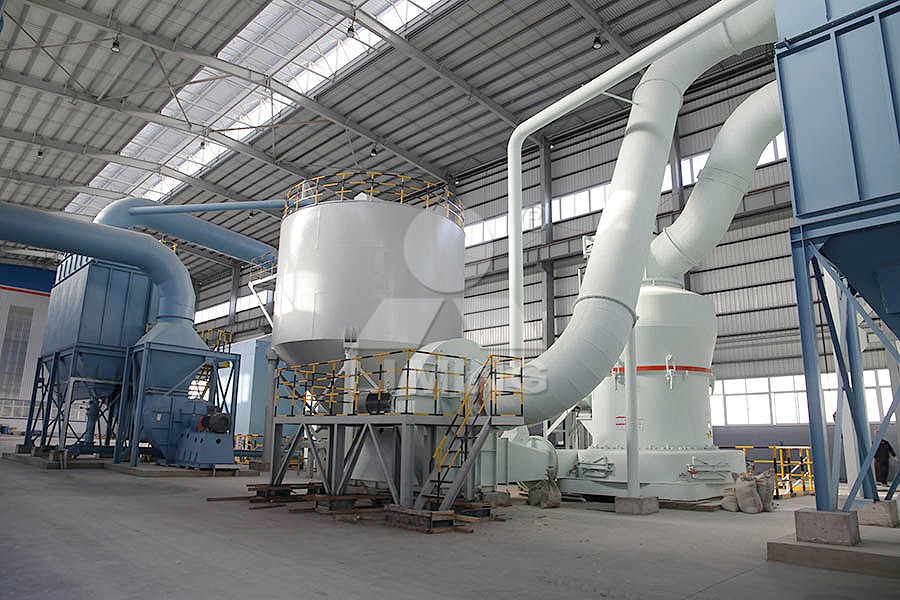
For operators looking to produce ultra-fine powders or achieve a very specific and consistent particle size, the MW Ultrafine Grinding Mill is an exceptional choice. Designed for customers who need to make ultra-fine powder, this machine is a game-changer. It handles an input size of 0-20 mm with a capacity ranging from 0.5 to 25 tons per hour. Its cage-type powder selector, which adopts German technologies, allows for precise fineness adjustment between 325-2500 meshes. A key feature for quarry operators is its design: there are no rolling bearings or screws in the grinding chamber. This eliminates worries about bearing damage or machine failure caused by loose screws, a common headache in high-vibration environments. Furthermore, its efficient pulse dust collector and muffler ensure the production process is eco-friendly, reducing both dust and noise pollution—a critical consideration for sustainable operations.
Another robust option for fine grinding applications is the LUM Ultrafine Vertical Grinding Mill. It’s perfect for processing limestone, calcite, and dolomite—common materials in Indonesia. With an input size of 0-10mm and a capacity of 5-18 tph, it integrates grinding, grading, and transporting. Its unique roller shell and lining plate grinding curve are easier to generate a material layer, enabling a high rate of finished products from a single pass. It also incorporates multi-head powder separating technology and PLC control, reducing energy consumption by 30%-50% compared to common grinding mills. Its reversible structure is a major advantage for maintenance, allowing operators to easily move the grinding roller out of the body for checking and replacing parts, minimizing costly downtime.
Conclusion: Investing in the Right Technology
The Indonesian mill stone sand market is competitive. Profitability hinges on operational efficiency, product quality, and environmental compliance. Investing in modern, reliable grinding technology like the MW or LUM mills is not just an equipment purchase; it’s a strategic decision to enhance yield, reduce energy costs, simplify maintenance, and ensure a cleaner operation. By understanding the entire production process and equipping each stage with the right machinery, quarry operators can secure a strong position in this vital industry.