
Indonesia Dolomite Grinding: What’s the Cost of a Roller Mill?
We provide a wide range of mills — including Raymond mill, trapezoidal mill, vertical mill, ultrafine mill, and ball mill, obtained ISO9001 international quality certification, EU CE certification, and Customs Union CU-TR certification. Suitable for processing minerals such as limestone, phosphate, quicklime, kaolin, talc, barite, bentonite, calcium carbonate, dolomite, coal, gypsum, clay, carbon black, slag, cement raw materials, cement clinker, and more.
The discharge range of these mills can be adjusted to meet specific processing needs, typically from 80-400 mesh, 600-3250 mesh, and can achieve the finest particle size of up to 6000 mesh(D50).
If you are looking for a reliable grinding solution to turn stone or minerals into fine powder, please feel free to contact our online customer service.
Navigating Dolomite Grinding in Indonesia: A Cost and Efficiency Analysis
Indonesia’s rich mineral resources, particularly its dolomite deposits, present significant opportunities for industrial development. However, processing this material efficiently and cost-effectively remains a challenge for many operators. The choice of grinding equipment plays a pivotal role in determining both operational expenses and final product quality.
When evaluating roller mill options for dolomite processing, several factors directly impact the overall cost:
Key Cost Considerations
- Initial Investment: The purchase price of the mill itself
- Energy Consumption: Power requirements per ton of processed material
- Maintenance Costs: Replacement parts, lubrication, and downtime
- Operational Efficiency: Throughput capacity and yield rates
- Environmental Compliance: Dust collection and noise control systems
Technical Solutions for Indonesian Operations
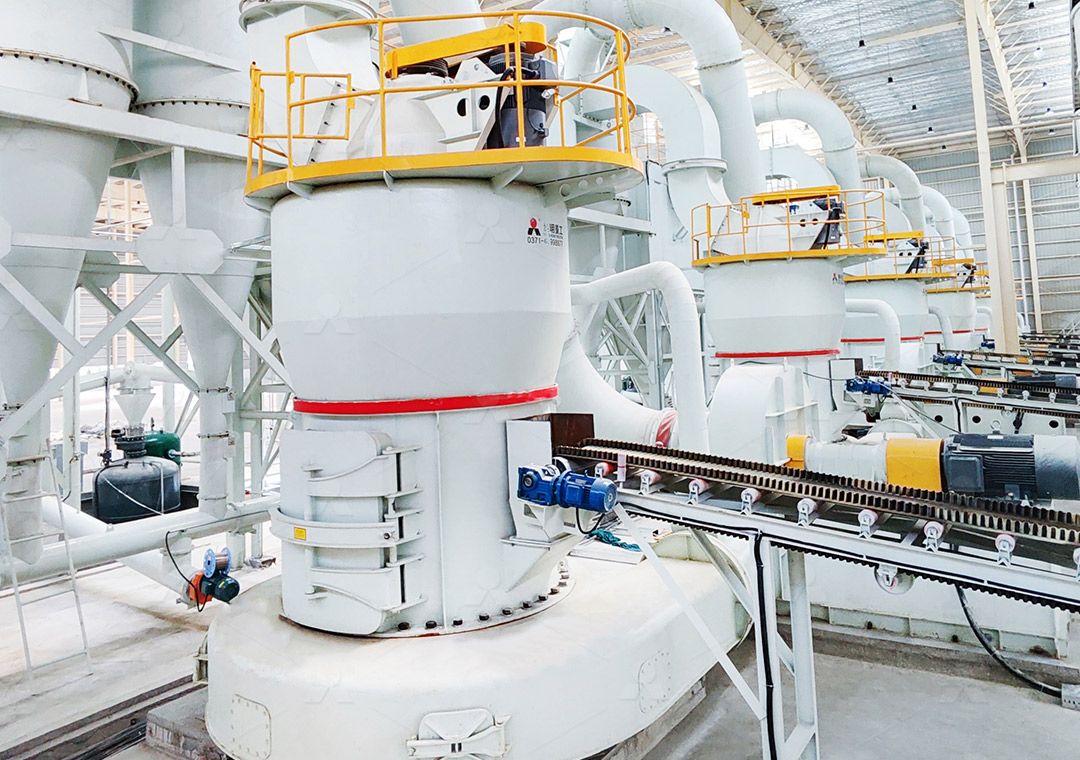
For operations requiring ultra-fine dolomite powder (325-2500 meshes), the MW Ultrafine Grinding Mill presents an excellent solution. Specifically designed for materials like dolomite, this mill offers several advantages crucial for cost-effective Indonesian operations:
The MW series achieves 40% higher production capacity compared to jet mills and double the output of ball mills at the same power consumption. For a typical Indonesian dolomite operation processing 15-20 tph, this translates to significant energy savings – approximately 30% reduction in power costs compared to alternative technologies.
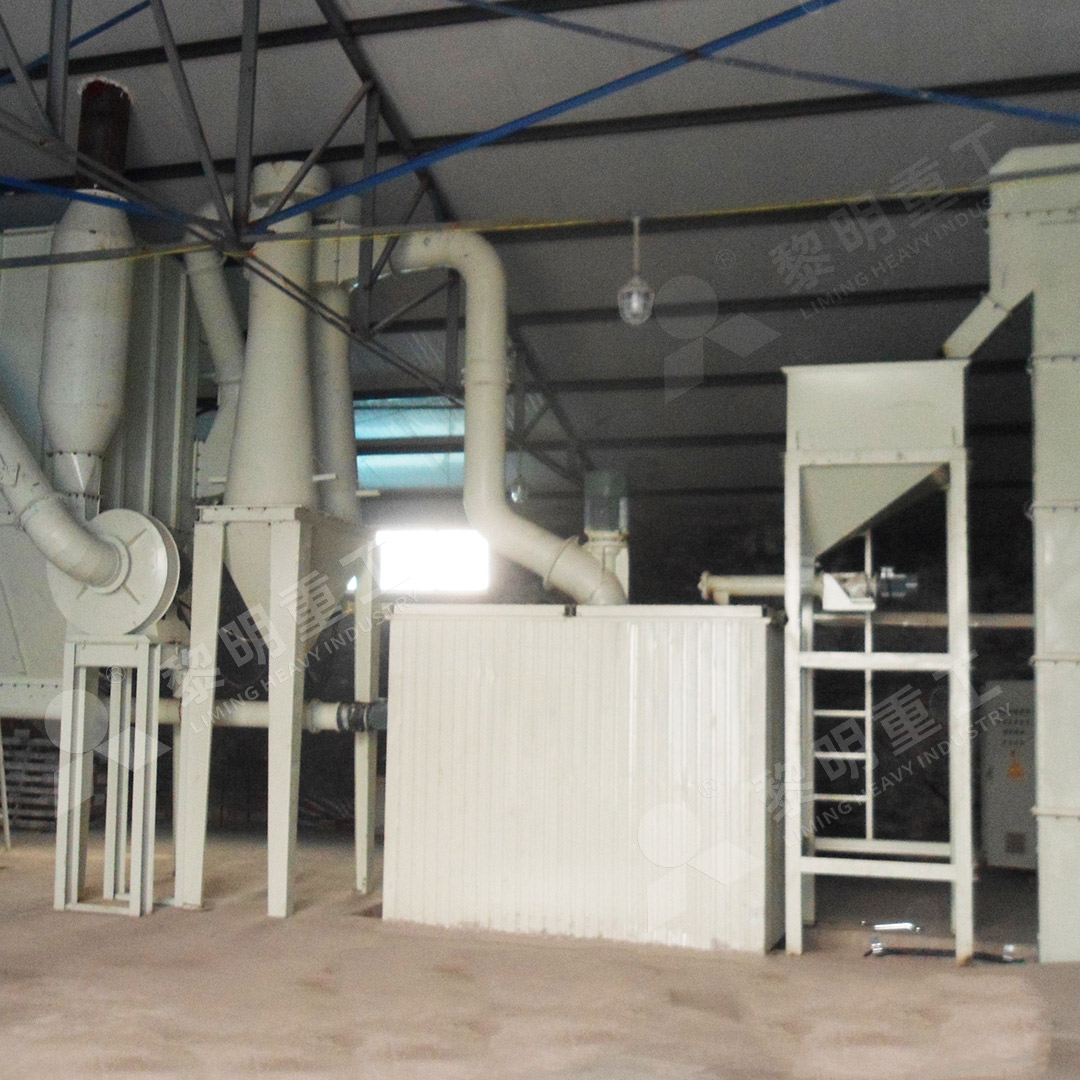
Particularly relevant for Indonesia’s diverse operational environments, the MW mill features no rolling bearings or screws in the grinding chamber, eliminating common failure points and reducing maintenance requirements. The external lubrication system allows for 24-hour continuous operation without shutdowns for maintenance.
Environmental Compliance and Operational Stability
Indonesian regulations increasingly emphasize environmental protection, making the MW mill’s integrated pulse dust collector and muffler system particularly valuable. The complete containment of dust emissions and noise reduction capabilities ensure compliance without additional investment in auxiliary equipment.
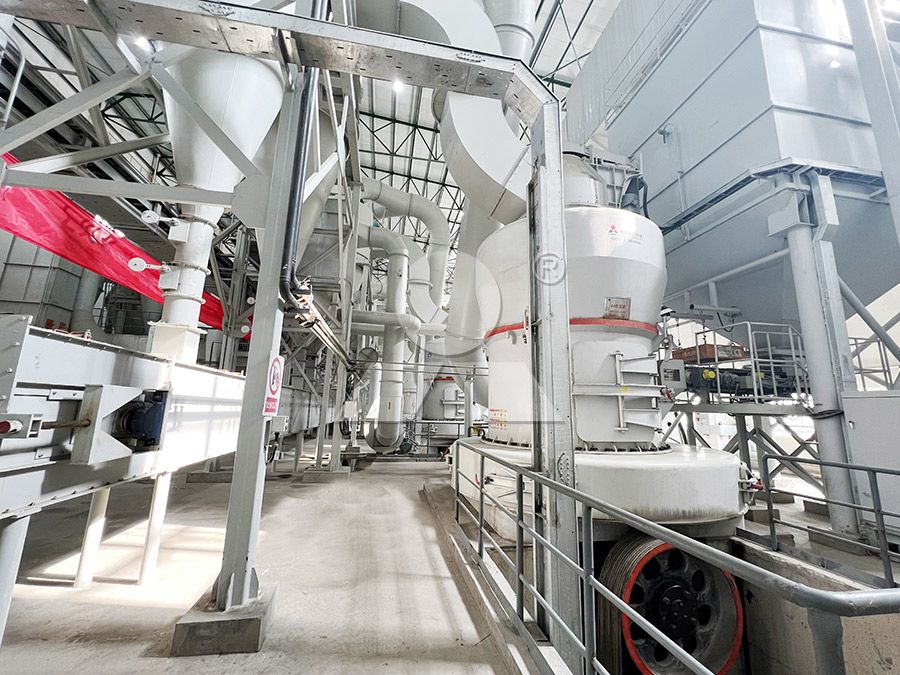
For operations requiring even higher precision and advanced control systems, the LUM Ultrafine Vertical Grinding Mill offers additional benefits. Its PLC control system and multi-head powder separating technology provide exceptional control over product fineness, while the reversible structure simplifies maintenance operations – a significant advantage in remote Indonesian locations where technical support may be limited.
Total Cost of Ownership Analysis
When calculating the true cost of a roller mill for dolomite processing, Indonesian operators should consider:
- Energy consumption per ton of finished product
- Maintenance frequency and spare parts availability
- Labor requirements for operation and maintenance
- Environmental compliance costs
- Production yield and product quality consistency
Frequently Asked Questions
What is the typical energy consumption for dolomite grinding in Indonesia?
Energy consumption varies by mill type and product fineness. The MW Ultrafine Grinding Mill typically consumes 30-40% less energy than traditional jet mills while achieving higher throughput rates.
How does humidity affect dolomite grinding in tropical climates?
High humidity can affect material flow and grinding efficiency. Both MW and LUM mills incorporate advanced drying capabilities and material handling systems designed to handle Indonesia’s tropical conditions effectively.
What maintenance support is available for grinding mills in Indonesia?
Comprehensive technical support and original spare parts are available throughout Indonesia, ensuring minimal downtime and maintaining optimal mill performance throughout its operational life.
Can the same mill process different mineral materials besides dolomite?
Yes, both MW and LUM mills are designed for multiple mineral applications including limestone, calcite, and barite, providing operational flexibility for diversified mining operations.