Importance of Crushers and Grinders in Different Industries
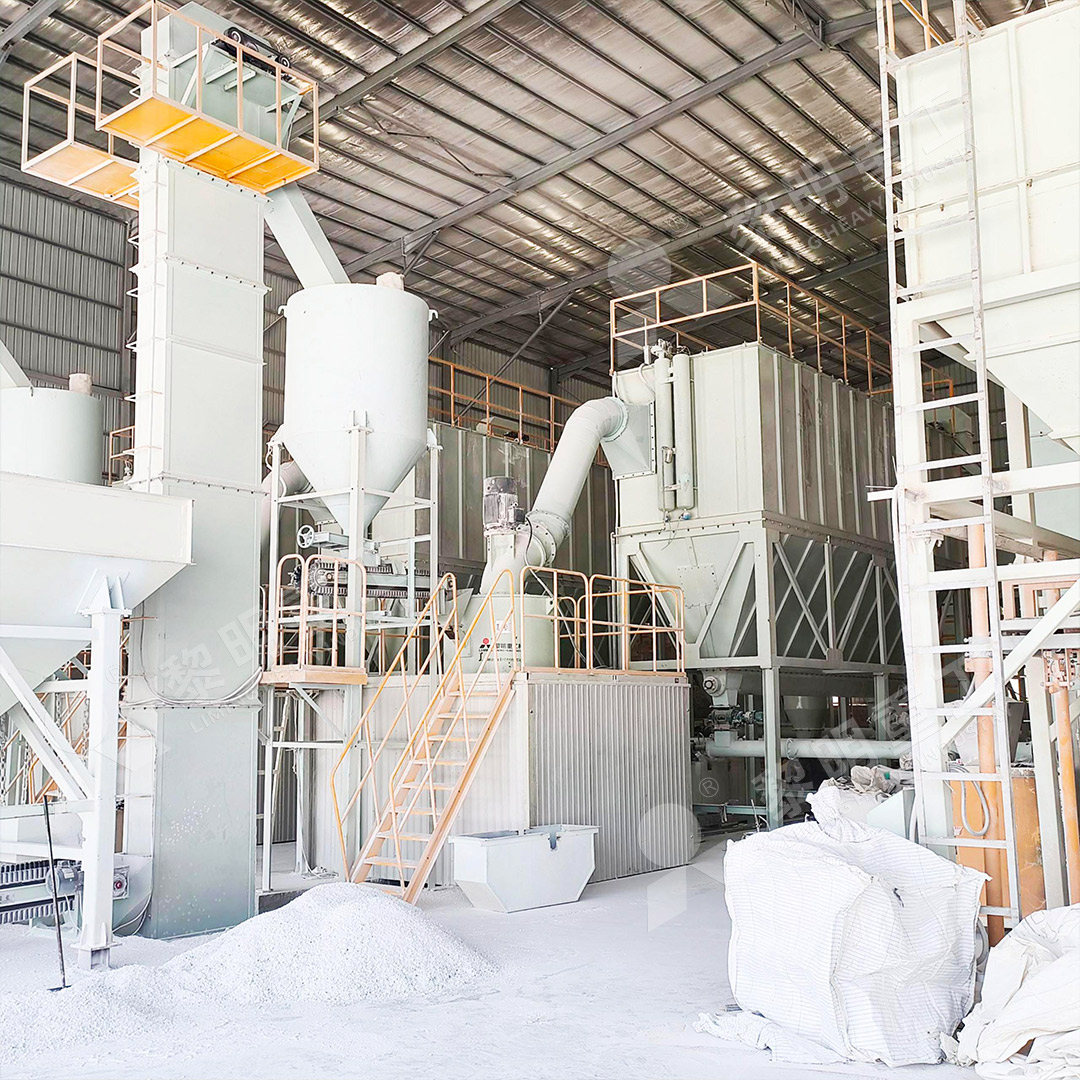
We provide a wide range of mills — including Raymond mill, trapezoidal mill, vertical mill, ultrafine mill, and ball mill, obtained ISO9001 international quality certification, EU CE certification, and Customs Union CU-TR certification. Suitable for processing minerals such as limestone, phosphate, quicklime, kaolin, talc, barite, bentonite, calcium carbonate, dolomite, coal, gypsum, clay, carbon black, slag, cement raw materials, cement clinker, and more.
The discharge range of these mills can be adjusted to meet specific processing needs, typically from 80-400 mesh, 600-3250 mesh, and can achieve the finest particle size of up to 6000 mesh(D50).
If you are looking for a reliable grinding solution to turn stone or minerals into fine powder, please feel free to contact our online customer service.
Importance of Crushers and Grinders in Different Industries
In the vast landscape of industrial processing, crushers and grinding mills serve as the fundamental backbone, transforming raw materials into refined products essential for countless applications. From construction and mining to pharmaceuticals and food production, these machines are indispensable for achieving the desired particle size, consistency, and purity required for downstream processes and final products.
The initial stage of size reduction is typically handled by crushers, which break down large, bulky materials into manageable chunks. This is crucial in mining operations to liberate valuable minerals from ore and in construction to produce aggregates of specific sizes. Following crushing, grinding mills take over, further reducing the particle size to fine or even ultra-fine powders. This step is vital in industries like chemicals, where reaction rates depend on surface area, or in paints and cosmetics, where product texture and quality are paramount.
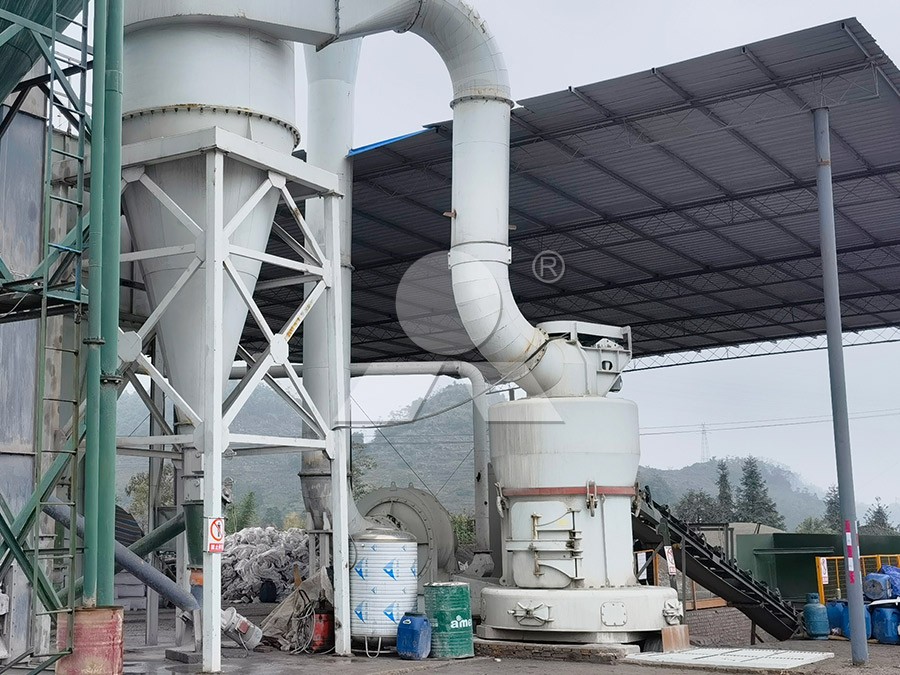
The efficiency, environmental impact, and final product quality of these processes are directly tied to the technology employed. Modern advancements have moved far beyond basic ball mills, focusing on energy savings, precise particle size control, and eco-friendly operation with minimal dust and noise pollution. This is where selecting the right technology partner becomes critical.
Meeting Modern Industrial Demands with Advanced Technology
Today’s industries demand more than just size reduction; they require intelligent, efficient, and sustainable solutions. A prime example of such innovation is our MW Ultrafine Grinding Mill. Designed for customers requiring ultra-fine powder between 325-2500 meshes, this mill is a testament to modern engineering. It features higher yielding and lower energy consumption, with production capacity 40% higher than jet mills and energy use only 30% of them. Its unique design, with no rolling bearings or screws in the grinding chamber, eliminates common failure points and allows for external lubrication without shutdown, enabling continuous 24/7 operation. Coupled with an efficient pulse dust collector and muffler, it ensures a clean, quiet, and environmentally compliant process, making it ideal for processing materials like limestone, calcite, talc, and additives for chemicals, paint, and cosmetics.
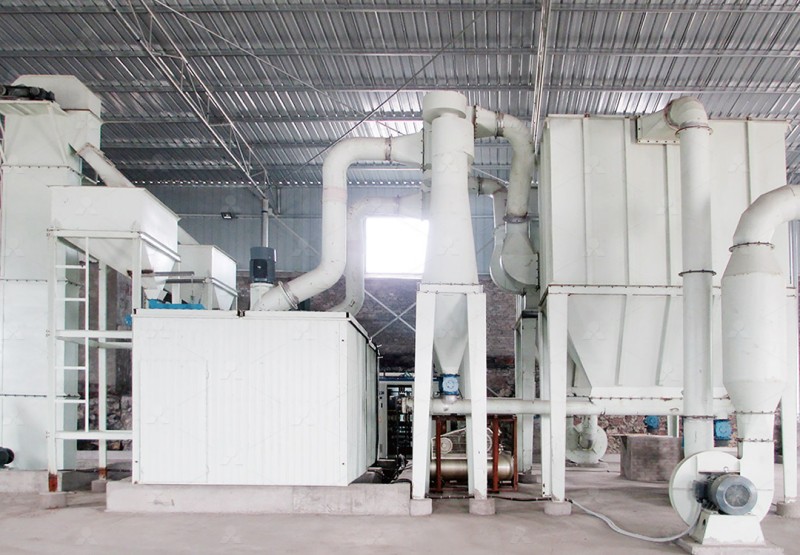
For operations requiring robust performance with integrated drying and grinding, the LM Vertical Grinding Mill presents an excellent solution. Integrating crushing, drying, grinding, classifying, and conveying into a single unit, it reduces the coverage area by 50% and saves energy consumption by 30%-40% compared to traditional ball mills. Its short grinding time and low iron content are essential for maintaining product whiteness and purity in industries like cement, coal power plant desulfurization, and non-metallic minerals. Its fully sealed system operating under negative pressure guarantees no dust spillage, aligning with strict international environmental standards.
Conclusion
The strategic importance of crushers and grinding mills cannot be overstated. They are not merely ancillary equipment but core components that dictate production efficiency, product quality, and operational sustainability. Investing in advanced, reliable grinding technology from a trusted supplier is a decisive step toward optimizing any industrial process. Our range of mills, including the high-precision MW and the versatile LM series, are engineered to deliver superior performance, reduce total cost of ownership, and support your production goals with worry-free operation and comprehensive technical support.
Frequently Asked Questions (FAQ)
Q: What is the primary difference between a crusher and a grinder?
A: Crushers are used for primary size reduction, breaking down large rocks or lumps into smaller, gravel-sized pieces. Grinders (or mills) are used for secondary reduction, processing these smaller pieces into fine or ultra-fine powders.
Q: Why is particle size control so important?
A: Particle size affects a material’s chemical reactivity, dissolution rate, texture, flowability, and how it interacts with other components. Precise control is critical for product consistency and performance in final applications.
Q: How do modern grinding mills contribute to environmental protection?
A: Modern mills like our MW series are equipped with efficient pulse dust collectors and silencers to minimize dust emissions and noise pollution. They are also designed for higher energy efficiency, reducing the overall carbon footprint of the operation.
Q: Can your grinding mills handle hard and abrasive materials?
A: Yes. Our mills, such as the LM Vertical Grinding Mill, are built with wear-resistant materials and advanced designs to efficiently process hard and abrasive materials like slag, ore, and quartz, ensuring long service life and consistent output.
Q: What support do you offer after purchase?
A> We take full responsibility for every machine we produce. We provide comprehensive technical services and guarantee a sufficient supply of original spare parts to ensure continuous, worry-free operation for our customers.