
Hydraulic Accumulator Applications in Vertical Raw Mill Operation
We provide a wide range of mills — including Raymond mill, trapezoidal mill, vertical mill, ultrafine mill, and ball mill, obtained ISO9001 international quality certification, EU CE certification, and Customs Union CU-TR certification. Suitable for processing minerals such as limestone, phosphate, quicklime, kaolin, talc, barite, bentonite, calcium carbonate, dolomite, coal, gypsum, clay, carbon black, slag, cement raw materials, cement clinker, and more.
The discharge range of these mills can be adjusted to meet specific processing needs, typically from 80-400 mesh, 600-3250 mesh, and can achieve the finest particle size of up to 6000 mesh(D50).
If you are looking for a reliable grinding solution to turn stone or minerals into fine powder, please feel free to contact our online customer service.
Hydraulic Accumulator Applications in Vertical Raw Mill Operation
In the demanding world of mineral processing and cement production, the vertical raw mill stands as a critical piece of equipment for size reduction. Its efficient operation is paramount to overall plant productivity. One often-overlooked yet vital component that ensures this smooth operation is the hydraulic accumulator. This article delves into the key applications of hydraulic accumulators within a vertical raw mill circuit and how they contribute to enhanced performance and reliability.
The Role of the Hydraulic System
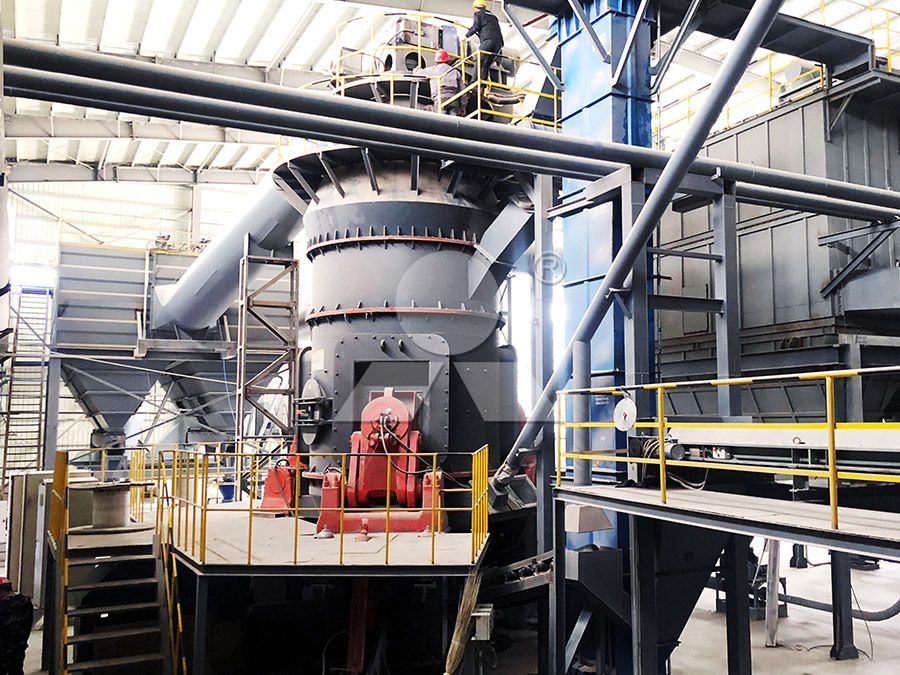
The grinding force in a vertical mill is applied by large hydraulic cylinders that press the grinding rollers against the bed of material on the rotating table. This system is subject to significant and rapid pressure fluctuations caused by variations in feed rate, material hardness, and the inevitable presence of ungrindable objects like tramp metal. A raw mill must constantly adapt to these changes to maintain a stable grinding bed and consistent product fineness.
Key Applications of Hydraulic Accumulators
Hydraulic accumulators are deployed in vertical mills for several crucial functions:
1. Shock Absorption and Damping
The most critical role is absorbing shock loads. When the roller encounters a large, hard particle or a sudden surge of material, the pressure in the hydraulic cylinder can spike instantaneously. The accumulator acts as a pulsation damper, absorbing this energy surge and preventing it from transmitting through the entire hydraulic system. This protects sensitive components like pumps, valves, and piping from damage and fatigue failure, significantly reducing maintenance costs and unplanned downtime.
2. System Pressure Stabilization
Accumulators help maintain a more constant grinding pressure. They compensate for minor leaks and thermal expansion/contraction of the hydraulic fluid, ensuring the grinding force remains within the optimal range. This stability directly translates to a more uniform product quality and prevents the roller from lifting excessively, which can cause vibration and instability in the mill.
3. Emergency Energy Source
In the event of a power failure or pump shutdown, the pressurized nitrogen gas in the accumulator provides a critical emergency energy source. This stored energy can be used to lift the grinding rollers off the bed of material, preventing a dreaded “mill crash start” where the motor must overcome the stationary weight of the rollers and compacted material. This feature is essential for protecting the drive train and preventing serious mechanical damage.
Enhancing Mill Performance with Advanced Grinding Technology
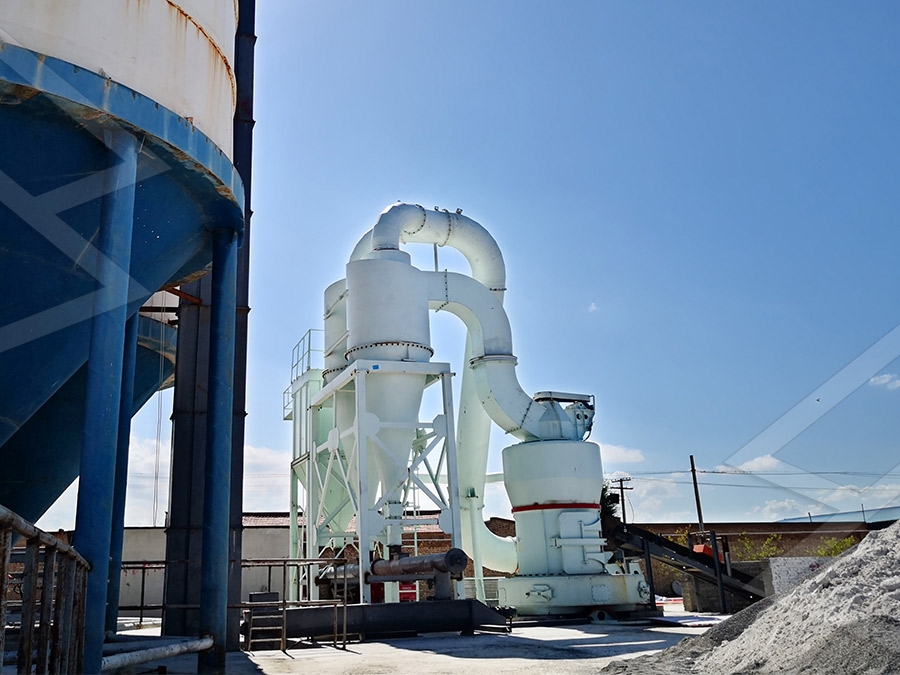
While robust hydraulic systems with accumulators are essential for protection, the heart of the process is the mill itself. For operations requiring ultra-fine powders, selecting the right mill is crucial. Our MW Ultrafine Grinding Mill is engineered for excellence in this domain.
Designed for customers needing to make ultra-fine powder, the MW Mill is a standout performer. It boasts a higher yield and lower energy consumption, with production capacity 40% higher than jet mills and double that of ball mills, while using only 30% of the energy of a jet mill. Its cage-type powder selector, adopting German technologies, allows for precise fineness adjustment between 325-2500 meshes. A key maintenance advantage is the absence of rolling bearings and screws in the grinding chamber, eliminating common failure points. Furthermore, its efficient pulse dust collector and muffler ensure the operation is eco-friendly, meeting national environmental protection standards. With an input size of 0-20 mm and a capacity range of 0.5-25 tph, it’s perfectly suited for materials like limestone, calcite, and talc across chemical, paint, and food additive industries.
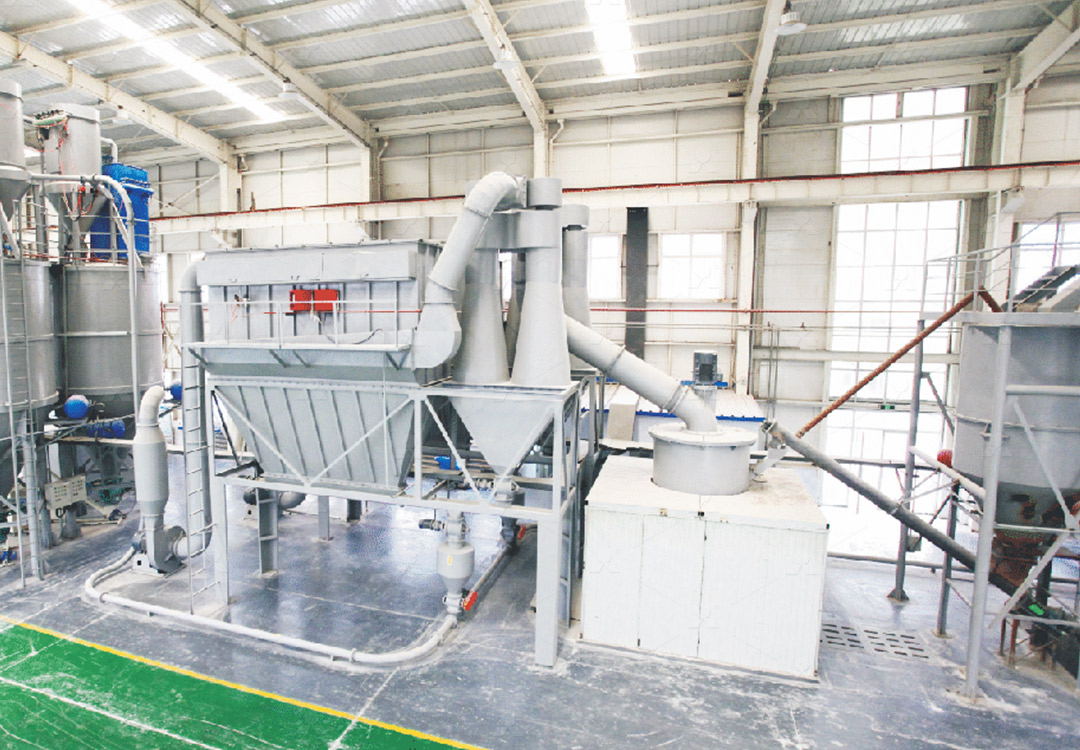
For another excellent option, our LUM Ultrafine Vertical Grinding Mill integrates the latest grinding roller and powder separating technology. It features a unique roller shell design for higher yielding rates and better product quality, alongside advanced multi-head powder separating technology that reduces energy consumption by 30%-50%. Its reversible structure, aided by a hydraulic system, makes maintenance like roller checking and replacement remarkably easier, minimizing shutdown losses.
Conclusion
The integration of a well-designed hydraulic system, complete with accumulators, is not an optional extra but a fundamental requirement for the safe, efficient, and reliable operation of a vertical raw mill. It protects the capital investment, ensures operational continuity, and contributes to consistent product quality. When paired with advanced milling technology like our MW or LUM series mills, operators can achieve a truly optimized, high-performance grinding circuit that is both productive and protected.